
Solar Panel Maintenance Basics: A Beginner’s Guide to Care and Longevity
Share:
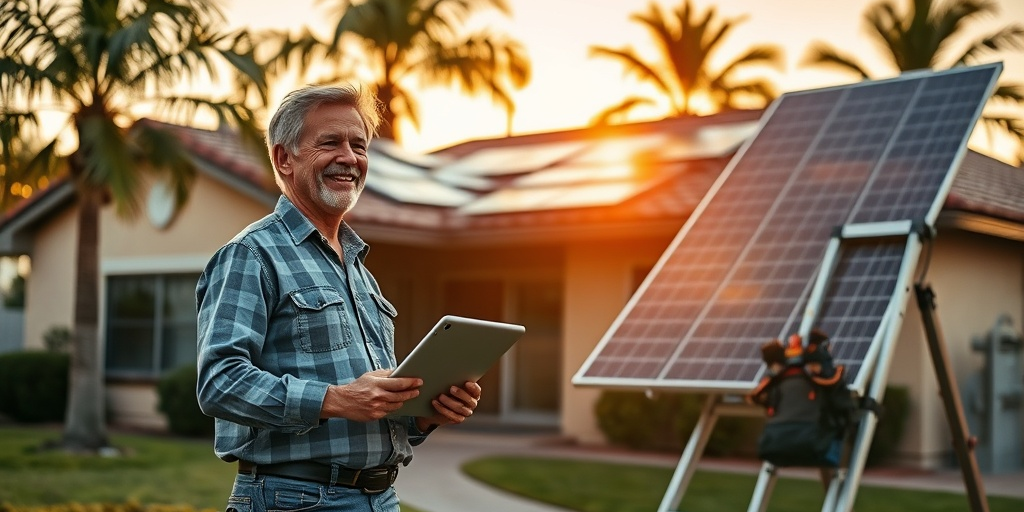
Did you know that solar panel systems can reduce electricity bills by 70% or more, depending on usage and local utility rates? Yet, many homeowners shy away from solar energy due to concerns over maintenance and longevity. In the heart of Florida’s sun-drenched landscape, this hesitation can be expensive. With Florida’s energy costs predicted to rise by 12% over the next five years due to increased demand and infrastructure challenges, maintaining your solar investment has never been more crucial (Florida Public Service Commission). That’s why understanding solar panel maintenance is vital in 2025, as new solar incentives provide a golden opportunity to maximize savings and energy independence. In our enlightening guide titled Solar Panel Maintenance Basics: A Beginner’s Guide to Care and Longevity, we’ll unlock the secrets to keeping your solar energy system in peak condition. You’ll discover key strategies to care for your solar panels, debunk common myths, and learn the critical steps to ensure your system remains a reliable source of clean energy for years to come. In this blog, we will cover five essential sections: an insightful overview of solar panel maintenance, practical checklists for effective care, myth-busters for common misconceptions, Florida-specific guidelines for local homeowners, and a technical deep dive into the components of your solar system.
The Essential Guide to Caring for Your Solar Panels
Imagine this: Sarah, a Florida homeowner, invested in solar panels three years ago. Last month, she noticed an uptick in her utility bills, sparking concerns. Determined to understand the possible malfunction, she contacted Florida Electric & Solar. With experienced technicians on the job, they performed a thorough maintenance check and discovered that some panels had accumulated dirt and debris, significantly hampering their efficiency. Sarah learned that regular maintenance could prevent this issue, Boosting her savings and extending the lifespan of her system.
Here’s a checklist of actionable steps you can take to maximize your solar panels’ performance:
- Step 1: Schedule Annual Inspections
- Step 2: Clean the Panels Regularly
- Step 3: Monitor System Performance
- Step 4: Understand Your Warranty
- Step 5: Contact Professionals for Complex Repairs
While many people believe that solar panels are maintenance-free, this common myth can lead to misconceptions about their care. Indeed, a regular maintenance routine is a key factor in ensuring that your panels perform efficiently. Understanding the technical aspects of solar panel systems can empower you to take control of your energy savings. Solar panels convert sunlight into electricity, but they can be hindered by dirt, debris, or damage.
In Florida, where sun and rain can occasionally leave residue on your panels, maintaining their cleanliness is especially crucial. With optimal performance typically occurring around 15-25% higher with regular cleaning, it’s well worth the time and investment (NREL.gov). Local property owners also benefit from the federal solar tax credit, which has been extended through 2025, offering 26% off installation costs. Investing in maintenance now can ensure maximum return on your investment down the line.
Next, we’ll delve into specific maintenance practices, debunk some pervasive myths about solar panel upkeep, and provide insights tailored to Florida homeowners.
Combatting Common Myths Around Solar Panel Maintenance
Many homeowners have preconceived notions about how solar panel systems operate and what it takes to keep them in optimal shape. Let’s dispel some common myths that may be holding you back from going solar.
- Myth #1: Solar Panels are Completely Maintenance-Free – While solar panels are relatively low-maintenance, they still require some attention. Regular inspections can prevent issues from escalating, impacting efficiency and lifespan.
- Myth #2: Rain Is Enough to Clean Solar Panels – It’s a common belief that rain will wash away dirt, but in dry weather, dust and debris can accumulate, significantly lowering efficiency. Regular cleaning, especially in Florida’s humid climate, is crucial.
- Myth #3: Solar Panels Need Daily Monitoring – Although tracking output can be beneficial, it’s not necessary to check your system daily. A monthly review of your energy bills and occasional monitoring via your inverter’s app can suffice.
- Myth #4: All Solar Panels are the Same – Performance can vary greatly among brands and types of panels. Consult with experts to select the best technology for your specific needs.
- Myth #5: If I Notice a Drop in Efficiency, Repairs are Detrimental – Ignoring warning signs can lead to higher bills and unnecessary costs. Contact a qualified technician at the first hint of trouble to discuss possible maintenance and repair options.
Understanding these myths can empower you to take decisive action toward the sustainability of your solar investment. Always consult with certified professionals who can provide insights tailored to Florida’s unique environment and regulations. The Florida Solar Energy Center shows that about 674,000 solar panel systems were installed statewide as of 2022, exemplifying the growing commitment among Floridians to harness solar energy.
As we venture further into this guide, we’ll expand on specific best practices to keep your solar system performing effectively. We’ll explore expert tips for 2025 and beyond.
5 Expert Solar Installation Tips for 2025
Investing in a solar energy system is a substantial commitment—making it equally important to understand best practices for installation and maintenance. Here are five expert tips to maximize the benefits of your solar investment:
- Don’t Skimp on Panel Placement – Proper orientation and tilt are vital for solar performance. Panels need to face south or southwest in Florida for optimal sunlight exposure. Consult with experts during the installation process to ensure the ideal layout.
- Invest in Quality Components – Not all solar products are made equally. Choose high-efficiency panels and reliable inverters; they can outperform cheaper alternatives by generating more energy over time.(SolarReviews.com)
- Keep Records – Maintain receipts and documentation for all repairs, maintenance, and warranties. Many manufacturers require proof of service to validate warranties in case of malfunction.
- Consider Battery Storage – As Florida faces increasing energy demands, integrating battery storage into your system can enhance efficiency and independence from the grid. This will also protect you from rising energy rates.
- Work With Certified Installers – Trusted local contractors know the ins and outs of Florida solar policy, enabling them to provide insight on incentives and rebates that can further enhance your savings.
These best practices not only ensure that you optimize your energy generation but also prolong the life of your solar system. The current solar incentive climate is more favorable than ever, with policy changes aiming to simplify installations for homeowners (DSIREUSA.org).
Now that you have a clear understanding of maintenance and best practices, it’s time to explore the stories of successful solar journeys throughout Florida. This will provide more context on why proactive maintenance matters.
A Day in the Life of a Florida Solar Homeowner
Meet Mark, a local resident in Orlando passionate about sustainability. He decided to switch to solar power in 2020 after witnessing his rising utility bills. He knew investing in solar energy would cut costs and empower his family’s energy independence. The installation was seamless, and his family rejoiced in their lower monthly bills.
A few months later, Mark noticed that the system’s output had begun to dwindle. Upon further investigation, he learned about the necessity of regular maintenance upkeep. This realization sparked a few important practices:
- Conduct an Annual System Inspection – By scheduling an annual check-up with a trusted solar technician, Mark was able to identify minor issues, ensuring they didn’t grow into costly problems.
- Cleaning Schedule – Mark established a semi-annual cleaning routine. With the Florida environment, he aimed to prevent dust accumulation that could hinder productivity.
- Monitor Performance – By installing monitoring software, he could track daily energy production, enabling him to connect with his technician if he noticed drops in efficiency.
- Join Local Solar Groups – Networking with other solar users allowed Mark to exchange tips and increase his understanding of local solar developments, policies, and incentives.
Mark’s proactive approach paid off. His annual savings amounted to over 65% on his electricity bills. Now, his solar system doesn’t just provide energy; it safeguards his family’s financial future.
Mark emphasizes to new solar adopters that maintenance is an investment in peace of mind。他回顾道,“It doesn’t cost you; it saves you.” With Florida solar installations rapidly approaching 700,000 systems by the end of 2022, residents get a growing sense of community through sharing experiences (Florida Solar Energy Center). Moving forward, we will summarize actionable steps tailored for Florida homeowners in preparation for their solar journey.
Next Steps for Florida Solar Buyers in 2025
With a clear understanding of maintenance and best practices, Florida homeowners are now equipped to take the next steps toward a sustainable energy future.
Here’s a succinct action plan to guide your solar journey:
- Step 1: Audit Your Electric Bill – Analyze your energy usage patterns for insights into how solar can help. Understanding your monthly costs sets the groundwork for why going solar is financially beneficial.
- Step 2: Research Local Incentives – Explore state and federal incentives available for solar installations. Utilize resources through local authorities or floridaelectricandsolar.com to clarify which rebates may apply to you.
- Step 3: Consult with Professionals – Arrange a consultation with an industry expert to evaluate your property, discuss potential system sizes, and review financing options.
- Step 4: Schedule Your Installation – Once you’ve secured financing and studied your options, finalize your installation date and prepare for the installation team to arrive at your property.
- Step 5: Establish Your Maintenance Plan – Develop a maintenance schedule that includes yearly inspections and semi-annual cleaning to guarantee your system operates effectively.
Taking these steps empowers you to maximize the value of your solar energy system, especially now as Florida solar incentives are at an all-time high. With proper care and maintenance, you can enjoy the long-term benefits of going solar while protecting your investment.
In summary, as you embark on your solar energy journey in 2025, it is imperative to implement a robust maintenance plan, debunk common myths, and focus on best practices that will support longevity and performance. With energy costs predicted to rise, taking these proactive steps ensures that you maximize your savings and contribute to a more sustainable future for your family.
Ready to start your solar journey in 2025? Connect with a certified expert at floridaelectricandsolar.com today.
Related Articles
More insights about Solar Panel

Florida Homeowners: Why Solar Panel Maintenance Is Essential

7 Essential Steps for Solar Panel Installation Success

Expert Insights: Key Factors Influencing Solar Panel Lifespan
Ready to Go Solar?
Have questions about solar energy? Our experts are here to help you make the switch to clean, renewable energy.