
How Florida Homeowners Can Boost Home Value with Solar Panel Installation
Share:
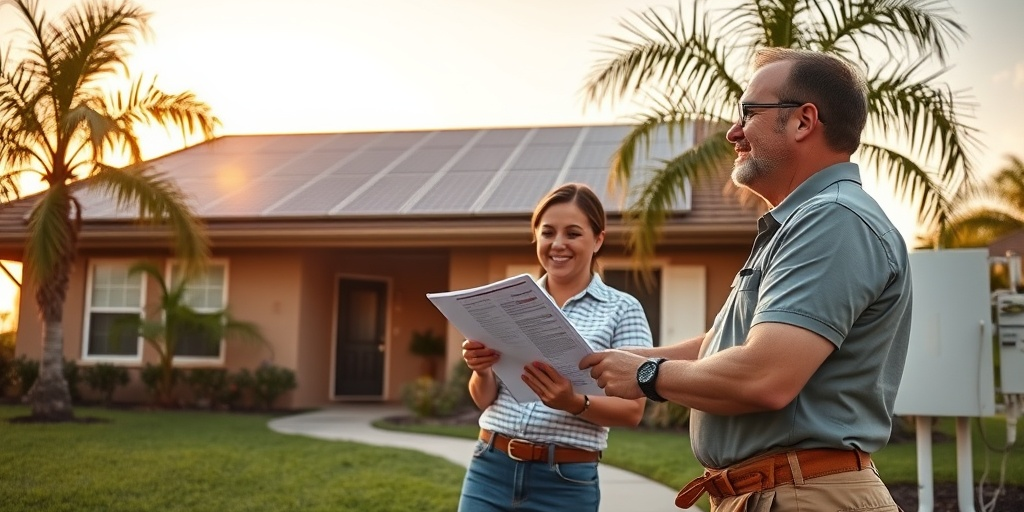
Picture this: a serene Florida evening under a glowing sunset, as homeowners enjoy their property while savoring the knowledge that their energy bills are shrinking. Did you know that installing solar panels can increase a home’s value by up to 20%? In 2025, as energy costs continue to rise and the demand for sustainable options becomes more essential, understanding how Florida homeowners can boost home value with solar panel installation is more relevant than ever. According to a recent report, solar homes can sell for an average of $15,000 more than their non-solar counterparts (SEIA.org). The remarkable surge in popularity for solar energy is not just a passing trend; it represents a critical shift in how we value energy efficiency and sustainability. This post aims to delve deep into the benefits of solar installation in Florida, revealing five compelling sections that will cover case studies, actionable checklists, myth-busting, local implications, and a technical analysis. By the end, you will clearly understand how to harness the power of solar energy to elevate your property’s market appeal.
Elevate Your Home’s Value: The Impact of Solar Panel Installation
Consider the journey of Mary and John, a couple living in Tampa, Florida. They had been contemplating solar energy for years but were hesitant due to a persistent myth: “solar panels are too expensive.” What they discovered transformed not only their financial outlook but their sense of sustainability. After they made the switch, their energy bills plunged, and their property value increased significantly—by about $20,000. Beyond these monetary gains, they felt a sense of satisfaction knowing they were contributing to a greener future.
This transformation is not unique to Mary and John; it’s a reality for many Florida homeowners tapping into solar energy. The Florida Solar Energy Center states that a solar panel system can reduce a household’s energy expenses by up to 70%, leading many homeowners to inquire, “How can I take advantage of this?” As we peer into the future—toward 2025—it becomes increasingly crucial to realize that the benefits of solar installation extend beyond immediate savings. The integration of solar power can enhance your home’s marketability, all while contributing to environmental welfare. The heart of the matter lies in utilizing solar power to elevate both aesthetics and efficiency.
Throughout this blog, we will demystify vital elements that encompass solar energy benefits for homeowners in Florida. Expect to explore real stories of transformation through a meticulously crafted case study, actionable steps you can take to assess your solar options, bust prevalent myths surrounding solar adoption, spotlight local statistics and policies impacting Floridians, and a technical breakdown illuminating the components driving solar adoption in your area. Let’s empower you to make informed choices about enhancing your property value while contributing to a sustainable future.
Why Solar Panels Add Value to Your Home
The impression many homeowners have about solar panels is that they are simply a utility upgrade; however, they are an asset. In simple terms, solar panels are a powerful investment for homeowners looking to boost their property value. Solar isn’t just about going green; it’s also about savvy financial planning.
To illustrate the impact solar panels have on property valuation, consider a property that recently sold in Orlando. This home was equipped with a solar energy system, and it sold for $30,000 above the expected market value. The system not only provided consistent energy savings but also acted as a significant selling point. A survey showed that 80% of homebuyers would prefer a home with existing solar panels over one without (NREL.gov). Here’s how to ensure your solar power investment pays off:
- Conduct a solar suitability assessment: Check the size of your roof, direction, and shade potential before finalizing your solar investment.
- Consult with experts: Reputable solar companies will provide free assessments to determine the best solar technology for your home.
- Understand financing opportunities: Explore options available in Florida, such as the Property Assessed Clean Energy (PACE) program, which allows for energy efficiency renovations.
- Monitor energy productivity: Investing in a solar array comes with the responsibility of tracking its efficiency to ensure you’re maximizing your potential savings.
- Involve real estate professionals: When selling, leverage your solar installation as a key marketing point, emphasizing its potential financial returns to prospective buyers.
As Floridians increasingly adopt solar energy, the value of homes with renewable energy systems inevitably rises, underscoring the importance of making informed decisions in 2025. So, let’s address the widespread misconceptions front and center.
Debunking Common Solar Myths
Despite the increasing accessibility of solar technology, many myths still surround its adoption, leading to skepticism. Let’s clear the air and set the record straight by debunking some common misconceptions.
- Myth #1: Solar panels are too expensive. While the upfront costs may seem daunting, the reality is that prices have decreased by nearly 70% since 2010 (SolarReviews.com), and financing options can significantly ease the initial financial burden.
- Myth #2: Solar panels require a lot of maintenance. In truth, solar panels demand minimal upkeep. Routine cleaning to remove debris and periodic inspections can ensure optimal performance without extensive repairs.
- Myth #3: Solar is ineffective during cloudy days. Solar panels can generate electricity even in low light conditions, utilizing diffused sunlight. Studies show homes can produce 30% as much energy in overcast weather (Energy.gov).
- Myth #4: Solar panels will damage your roof. On the contrary, quality installation can significantly enhance your roof’s durability. When properly installed, solar panels can protect roofing areas from weather damage.
- Myth #5: You can’t go solar if you don’t have a sunny yard. Ground-mounted solar panels can be an excellent option for properties with limited rooftop exposure, providing alternative solutions to maximize solar benefits.
Embracing the truth about solar technology and its myriad benefits is crucial for homeowners who want to take action. Understanding the reality behind common myths can empower Florida residents to make informed investment decisions. Now let’s unpack the local statistics affecting your solar adoption journey.
Florida-Specific Insights into Solar Energy Adoption
Florida holds the title of the “Sunshine State” for a reason; its abundant sunlight promotes high solar energy production potential. The state ranks fourth in the nation in total installed solar capacity, which bodes well for homeowners considering solar energy installation. As of 2023, Florida boasted over 2.6 gigawatts of installed solar capacity, powering nearly 470,000 homes in the state (SEIA.org).
Understanding the local policies and incentives available for homeowners is essential as you determine the viability of solar. Programs like the Federal Solar Investment Tax Credit (ITC) allows homeowners to deduct 26% of their solar installation costs from their federal taxes. Additional incentives available in Florida include the no-sales tax for solar panels, resulting in significant savings.
Moreover, utilities like Florida Power & Light offer net metering, allowing homeowners to receive credit for excess power produced by solar systems. This policy can considerably enhance the overall return on investment, making solar installation even more enticing for property owners. Here are some local insights to consider while planning your solar journey:
- Incentives and rebates: Familiarize yourself with local utility programs that promote solar energy adoption, like the Solar and Energy Loan Fund (SELF).
- Policy support: Engage with county-specific regulations and incentives that can further enhance the value of your solar investment.
- Community solar programs: Explore offerings allowing participation in shared solar projects, broadening accessibility for those unable to install systems on their property.
As you navigate the solar landscape of Florida, it is vital to stay informed about local guidelines, allowing your solar journey to be as efficient and valuable as possible. Now, let’s drill down into the technical aspects driving these solar systems.
A Technical Deep-Dive into Solar Energy Systems
The technology behind solar energy has evolved significantly, making it easier than ever for homeowners to adopt. Next, we will explore various components of a solar energy system, understanding how they work together to maximize value.
Starting with solar panels, several types exist, including monocrystalline, polycrystalline, and thin-film panels, each catering to different energy requirements and budgets. Monocrystalline panels, for example, are considered the most energy-efficient option available, often boasting efficiencies above 20%. When combined with high-performance inverters, these systems can convert solar energy into usable electricity seamlessly.
Battery storage solutions have also gained momentum in recent years, allowing homeowners to store excess energy generated during the day for use at night. Powerwall batteries have risen in popularity, providing backup power options in case of outages. This aspect is vital, particularly in Florida, where storms can affect the grid’s reliability.
Understanding billing structures is key to extracting value from your solar installation. With net metering programs, homeowners can send surplus energy back to the grid, receiving credits on their utility bills. This process can drastically reduce electricity expenses, underscoring why monitoring energy output is crucial. Here are critical components to consider:
- Solar panels: Evaluate which type is best suited for your needs—consider cost, efficiency, and space requirements.
- Inverters: Determine the type of inverter that optimally converts DC power into AC power usable in your home.
- Battery storage: Examine the merits of adding a battery system to leverage stored energy whenever needed.
Completing a thorough understanding of these systems equips Florida homeowners to make informed decisions, maximizing both energy efficiency and financial gains. With that knowledge, let’s tackle the next steps you should take toward a successful solar transition in 2025.
Next Steps for Florida Solar Buyers in 2025
For homeowners looking to enhance property value with solar panel installation, prompt action is critical. Follow this actionable checklist to ensure you navigate the solar journey smoothly and effectively:
- Step 1: Audit Your Electric Bill: Identify your monthly energy usage and costs to determine the system size suitable for your needs.
- Step 2: Research Local Solar Providers: Evaluate the reputation and reviews of local solar companies. A trustworthy provider will guide you through the installation process.
- Step 3: Get Multiple Quotes: Collect proposals from different installers—don’t settle for the first offer. Compare pricing, warranties, and financing options to get the best deal.
- Step 4: Review Financing Options: Investigate all available financing avenues like loans, leases, or PPAs (Power Purchase Agreements), leveraging state and federal incentives.
- Step 5: Schedule Your Installation: Once you have settled on a provider and financing, coordinate the installation schedule to ensure minimal disruption to your daily life.
Embarking on a solar journey is an exciting and transformative process. As you make educated decisions and engage with reputable providers, remember that the benefits extend beyond just energy savings—they translate to increased property value, reduced carbon footprints, and a sustainable future for Florida. For more guidance, do not hesitate to connect with a certified expert at floridaelectricandsolar.com.
In closing, embracing solar energy represents not only personal savings but a pathway to enriching your home and community. As we journey into 2025, the relevance of sustainable living will only grow, and every step taken today sets the foundation for the future. By utilizing innovative technologies and engaging with knowledgeable providers, you have the power to transform your home. From discovering the truth about solar myths to understanding the technical components of systems, you now possess the knowledge to elevate your home’s value and contribute to a greener planet. Ready to start your solar journey in 2025? Connect with a certified expert at floridaelectricandsolar.com today.
Related Articles
More insights about Solar Panel

Florida Homeowners: Why Solar Panel Maintenance Is Essential

7 Essential Steps for Solar Panel Installation Success

Expert Insights: Key Factors Influencing Solar Panel Lifespan
Ready to Go Solar?
Have questions about solar energy? Our experts are here to help you make the switch to clean, renewable energy.