
Expert Insight: Choosing the Right Inverter for Optimal Solar Performance
Share:
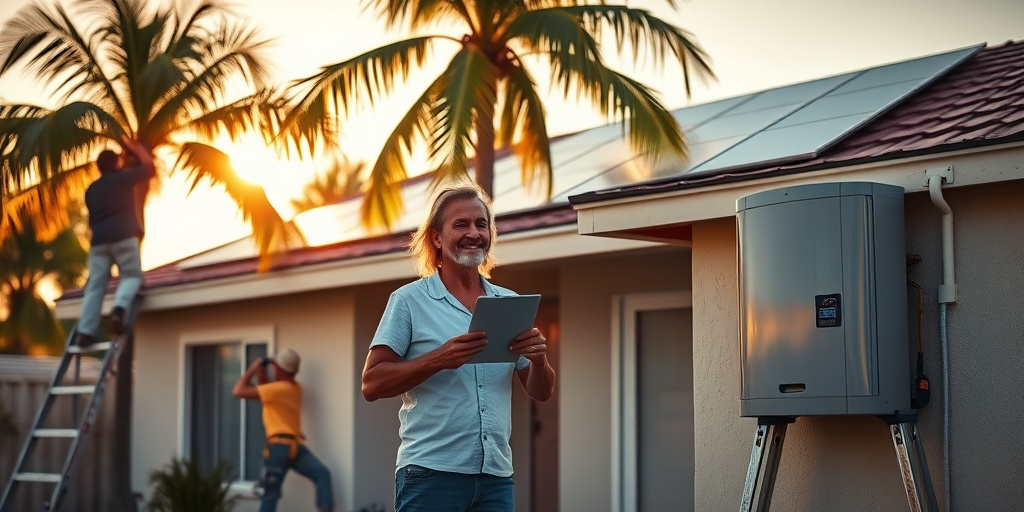
Imagine waking up one sunny morning in Florida, opening your electric bill, and seeing a charge that sends shivers down your spine. Your palms sweat as you calculate the costs of lighting, cooling, and power. This isn’t a scene you want to repeat, especially as energy prices continue to climb. What if I told you there’s a solution that could empower you to not just combat those rising costs but to transform your home into a self-sufficient energy powerhouse? Welcome to “Expert Insight: Choosing the Right Inverter for Optimal Solar Performance.” Did you know that solar energy installations in Florida have surged to over 133,000 in recent years, with the potential to provide clean energy for 45% of the state’s electricity needs by 2030? Moreover, the investment in solar can yield an ROI of over 20% over its lifespan (SEIA.org). With benefits like these, one critical component of your solar system bears immense significance—the inverter. As we approach 2025, with energy costs anticipated to rise and new solar incentives emerging, understanding which inverter best fits your needs is vital for maximizing solar performance. In this guide, we’ll delve deep into five comprehensive sections: a case study illustrating the importance of choosing the right inverter, a checklist to guide your purchasing decision, a myth-busting section addressing common misconceptions, a local focus on Florida-specific stats, and a technical deep dive into inverter technology. Let’s navigate this solar journey together!
Unlocking Solar Potential: Why the Right Inverter Matters
Take Sarah—an enthusiastic Florida homeowner who decided to switch to solar energy to cut her utility bills. After extensive research, she chose what was marketed as a “top-of-the-line” inverter, but she quickly discovered that it didn’t match her solar array’s specific needs. Despite her initial intentions to save money, her bills continued to frustrate her. After one year with an inefficient inverter, Sarah learned a valuable lesson: the inverter is the brain of her solar system, and choosing the wrong one could negate the benefits of having solar panels.
To help you make a smart choice like Sarah, here is a checklist with actionable steps:
- Understand Your Power Needs: Assess your current energy consumption to find an inverter that suits your system’s requirements.
- Research Inverter Types: Familiarize yourself with string, micro, and power optimizers to determine which type fits your setup best.
- Look for Warranty and Lifespan: A good inverter should offer at least a 5-10 year warranty and a lifespan matching your solar panels.
- Evaluate Efficiency Ratings: Choose an inverter with high efficiency ratings to optimize energy conversion—typically, look for over 95% efficiency.
- Check Local Availability: Ensure the inverter is suitable for Florida’s weather conditions; humidity and heat can impact performance.
Now, let’s debunk some widespread myths while providing local context.
Myths Surrounding Solar Inverters and Their Reality
Understanding what’s true and what’s not can significantly affect your solar investment. Let’s break down five myths surrounding solar inverters:
- Myth #1: All Inverters Are the Same. In reality, inverters come in various types like microinverters, string inverters, and power optimizers, each with advantages and drawbacks. Choosing one that complements your solar array can enhance performance.
- Myth #2: If You Have Solar Panels, You Don’t Need a New Inverter. Incorrect! Solar systems may require new inverters, especially when they age or technological advancements offer better efficiency options.
- Myth #3: A Cheaper Inverter Will Always Save Money. While lower upfront costs may appeal, inefficient inverters can lead to higher energy bills over time. A smart investment means weighing total cost of ownership.
- Myth #4: Inverters Have Long Lifespans and Rarely Fail. This is misleading because, unlike solar panels, inverters can require replacements at least once during the lifespan of your solar system, typically every 5-15 years.
- Myth #5: You Should Choose an Inverter Based on Brand Alone. The brand is essential, but the inverter’s compatibility with your specific solar system plays an equally crucial role. Doing comprehensive research is necessary.
In Florida, due to our unique weather and environmental factors, selecting an inverter that can withstand humidity and heat while managing high solar production is crucial (FSEC.UF.edu). With these insights, let’s transition into pinpointing the best inverter types to suit your needs.
Diving into Solar Inverter Types Tailored for Florida Homes
Inverters are pivotal, acting as the heart of solar energy conversion. When choosing an inverter, Florida homeowners should consider:
- String Inverters: These are cost-effective and suitable for systems with minimal shading. They connect a series of solar panels to a single inverter.
- Microinverters: Perfect for homes with shading issues, these inverters are installed on each panel, providing flexibility and enhancing overall system efficiency.
- Power Optimizers: These are a blend of string and microinverters, offering the benefits of panel-level monitoring while remaining cost-effective.
Research indicates that approximately 60% of solar installations in Florida utilize string inverters, but microinverters are gaining popularity due to enhanced performance in shaded areas (GreenTechMedia.com). Whatever you choose, ensure that your inverter is compatible with your solar system’s design and your energy goals.
With a clearer understanding of inverter types, let’s delve into best practices when installing a solar energy system in the Sunshine State.
5 Expert Solar Installation Tips for 2025
The journey to solar success begins with installation. Here’s how Florida homeowners can maximize their solar power benefits:
1. Don’t Skimp on Panel Placement. Ensure panels are installed in optimal locations, preferably with unobstructed sunlight for maximum energy production. Evaluating shadows from nearby trees or buildings is crucial for long-term performance.
2. Select Warranty Coverage Wisely. Many inverters come with different warranty options. Prioritize products that offer longer warranties to safeguard your investment over time.
3. Plan for Maintenance. Just like any system, regular check-ups ensure your inverter works effectively. Schedule routine inspections to stay ahead of potential issues.
4. Consider Future Expansion. Your energy needs are likely to grow. When installing your system, plan for future energy usage increases to ensure your inverter and system can handle the load.
5. Educate Yourself Continuously. Attend local energy fairs or join solar forums. Staying updated with the latest advancements educates you on optimizing your solar energy use and managing installations effectively.
As we explore the broader implications of solar energy in Florida, let’s look at a hypothetical but realistic homeowner journey detailing the solar transition experience.
The Solar Journey of a Florida Homeowner: A Case Study
Meet John and Lisa, a couple living in Orlando who were tired of their escalating energy bills. After hearing about solar energy’s perks, they conducted preliminary research and engaged with a solar consultant. The couple was presented with results showing that, by switching to solar, they could cut their monthly energy costs by up to 60% within the first year. John was initially skeptical, thinking the upfront costs and installation disruptions would be hard to handle. Yet, after consultations demonstrating potential savings and incentives available in Florida, they were ready to proceed.
After installation, however, their expected savings weren’t materializing. Upon further inspection, they learned they had chosen a less-efficient inverter, which significantly hampered their energy conversion. Here’s what they learned:
- Evaluate All Components: The couple quickly realized that overlooking the inverter’s efficiency was a miscalculation.
- Monitor Performance Regularly: They began to diligently monitor their solar energy output using app tools provided by their installer.
- Seek Professional Insight: Hiring an energy consultant helped them make informed decisions for future enhancements to their system.
After correcting their inverter choice, they experienced an immediate positive shift in their energy bills as production increased significantly. This case highlights a crucial lesson for prospective solar buyers: every component matters.
As we wrap up our discussion, it’s essential to outline actionable next steps for Floridian homeowners looking to harness solar energy effectively.
Next Steps for Florida Solar Buyers in 2025
With a clearer understanding of inverters, Florida homeowners must act decisively to make their switch to solar energy seamless and beneficial. Here’s your guide:
- Step 1: Audit Your Electric Bill. Carefully assess your energy usage to establish a baseline. This will play a critical role when selecting the right inverter to cater to your needs.
- Step 2: Research Incentives. Stay updated on federal and state incentives that can defray costs associated with your solar installation.
- Step 3: Consult with Experts. Engage with certified solar professionals to gauge the best inverter choices aligned with your unique energy consumption patterns.
- Step 4: Plan for Installation Timing. Weather conditions can affect installation timing. Schedule when it’s most advantageous for both your home and the installer.
- Step 5: Review and Monitor Performance. Post-installation, actively monitor the performance to ensure you meet your outlined energy saving goals.
Ready to further your solar journey in 2025? Connect with a certified expert at floridaelectricandsolar.com today for tailored guidance in your solar energy transition.
Conclusion: The (Electric) Future is Bright!
Choosing the right inverter for your solar system is more than a mere technical decision; it’s an investment in your family’s future. As energy costs soar, and technology advances, your choice in inverter can dramatically influence your transition to solar energy. This guide has navigated through the complexities of understanding inverters, exploring myths, reviewing best practices, and engaging with real-world experiences. The urgency to go solar in 2025 is palpable, given the immediate benefits of cutting utility bills, the lasting impact on your home’s value, and the positive contributions to the environment.
As you stand on the brink of this transition, remember you are not alone. The journey to energy independence can be overwhelming, but armed with this knowledge about inverters, your path is even clearer. The future is indeed bright—embrace the opportunity! Ready to start your solar journey in 2025? Connect with a certified expert at floridaelectricandsolar.com today.
Related Articles
More insights about Solar Inverter

10 Quick Tips for Choosing the Right Solar Inverter

Technical Deep-Dive: Choosing the Right Inverter for Solar Efficiency

The Ultimate Guide to Choosing the Right Inverter for Solar Systems
Ready to Go Solar?
Have questions about solar energy? Our experts are here to help you make the switch to clean, renewable energy.