
Myth: Solar Panel Installation Doesn’t Guarantee Energy Independence
Share:
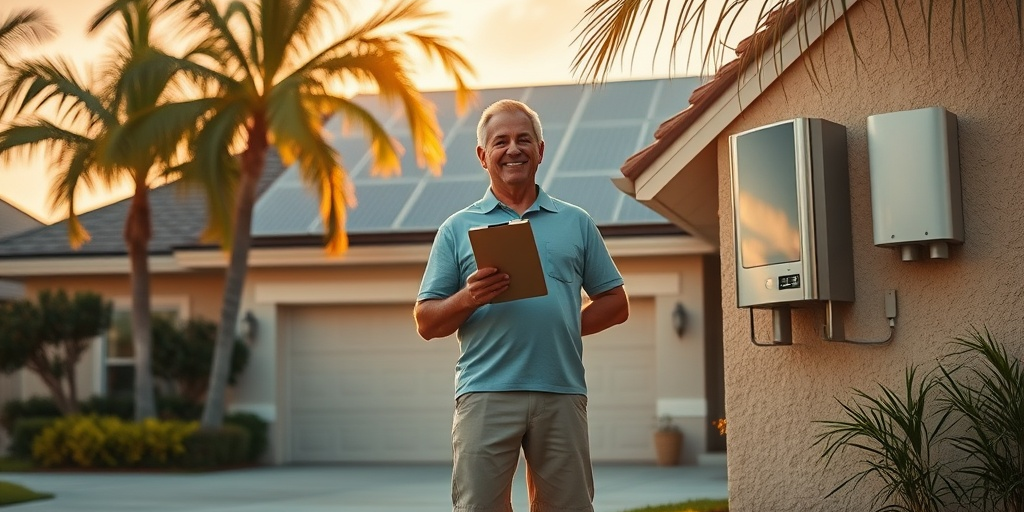
In the heart of Florida, where the sun shines brilliantly for more than 264 days a year, the allure of solar energy is undeniable. You may have stumbled upon a frustrating myth: “Solar Panel Installation Doesn’t Guarantee Energy Independence.” Many people hold this belief, convinced that installing solar panels will not give them complete control over their energy resources. However, let me share some startling statistics that might shift your perspective: According to the Solar Energy Industries Association, solar installations in Florida have been surging, representing a remarkable increase of nearly 37% in the past year alone (SEIA.org). Additionally, an estimated savings of over $36 billion is expected in Florida from going solar by 2030 (SolarReviews.com). These figures tell a story of not just installation and savings, but of empowerment, of owning your power amidst rising energy costs and the urgent need for energy independence in 2025.
In a time when many homeowners face uncertainty with fluctuating utility rates and grid instability, this discussion on the myths surrounding solar energy is more relevant than ever. As more Floridians look towards renewable sources for their energy needs, understanding the true value of solar power can make or break your decision to adopt this technology. So why does this topic matter urgently in 2025? Rising energy costs paired with new solar incentives and the responsibility to protect our environment necessitate a shift towards solar and sustainable living. In this article, we will debunk the myths surrounding solar panel installation, dive into what energy independence really means, and guide you through the actionable steps to achieve it.
Here’s what you can expect in the upcoming sections:
- Section 1: A case study exploring a Florida homeowner’s journey to energy independence through solar panel installation.
- Section 2: A comprehensive checklist of actionable steps to take before your installation.
- Section 3: Debunking common myths about solar energy and its effectiveness.
- Section 4: A technical deep dive into the technology that makes energy independence achievable.
- Section 5: An actionable plan for Florida homeowners to embark on their solar journey in 2025.
Let’s get started!
Case Study: The Uphill Battle for Energy Independence
Imagine Sarah, a mother of two living in Central Florida. After years of battling rising utility bills and watching her electric rates rise more than 20% over the last five years, she decided enough was enough. Headstrong and determined, she is passionate about ensuring energy independence for her family. With a direct line to the community and a determined mindset, Sarah began her journey into solar energy, filled with more questions than answers. She quickly learned that getting solar panels installed didn’t guarantee she would achieve complete energy independence. Many industry experts had warned her of the unpredictability of solar output, leading Sarah to believe that her solar panels might only cover part of her energy needs.
However, she pressed on and connected with local solar experts at floridaelectricandsolar.com, who laid out the facts. What she discovered was that energy independence is not solely reliant on installation but greatly depends on several vital factors: system size, battery storage options, location, energy consumption habits, and grid dependence. After consulting with her local solar expert, Sarah learned how combining high-efficiency solar panels with a quality battery storage solution could indeed grant her the energy autonomy she yearned for.
Sarah’s final solar system was meticulously designed. It integrated a 10 kW solar array with battery storage, giving her the ability to capture excess energy during the day for use at night. Within months of installation, she noticed a tangible drop in her energy bills. Sarah became an advocate, sharing her experience through community workshops focused on solar energy savings and debunking the myth that solar panel installation alone guarantees independence. Today, her family not only enjoys reduced electric bills but also feels a sense of empowerment, knowing they have taken significant strides toward their energy independence.
Sarah’s journey teaches us that achieving energy independence through solar requires careful planning and informed choices. It is a commitment to understanding how technology works in concert with one another. Each home will present unique challenges and potential that can be unlocked with the right knowledge and tools.
5 Steps to Achieve Energy Independence Through Solar
Solar energy can be a deeply empowering choice that goes beyond mere installation. Taking the initiative in your solar project will help ensure that you maximize the benefits. Follow these five steps to embark on your path toward energy independence:
- Step 1: Assess Your Energy Needs – Begin by reviewing your annual energy usage, which can be found on your utility bill. This will provide a baseline for how much power your solar system should generate.
- Step 2: Consider Your Location – Understanding your home’s orientation, shading, and roof space will help assess how much sunlight your panels will receive throughout the year, affecting their overall efficiency.
- Step 3: Explore Battery Storage Options – Incorporating a storage solution allows you to utilize excess energy when the sun isn’t shining, helping you achieve true energy independence.
- Step 4: Consult Local Experts – Engage with reputable solar companies, like floridaelectricandsolar.com, to assess your home’s suitability for solar solutions and installation.
- Step 5: Take Advantage of Incentives – Research available local, state, and federal incentives that can alleviate installation costs while boosting the ROI of your solar investment.
By following these actionable steps, you can lay the groundwork for a successful solar project that leads to palpable energy independence and peace of mind.
Myth-Busting: Separating Fact from Fiction in Solar Energy
In your journey towards solar energy independence, it’s crucial to distinguish between myths and truths. Here we break down some common misconceptions:
- Myth #1: Solar Panels Are Too Expensive – While upfront costs can be significant, the long-term savings often outpace the initial investment. Various financing options, incentives, and solar leasing can make solar energy affordable for many homeowners.
- Myth #2: Solar Panels Don’t Work on Cloudy Days – Solar panels are still effective on cloudy days. They generate energy from diffuse sunlight, ensuring dependable energy output even under less than optimal conditions.
- Myth #3: You Can’t Generate Sufficient Power in Florida – Florida ranks as one of the top states for solar energy production, with numerous sunny days enhancing the potential for power generation (SEIA.org).
- Myth #4: Solar Layouts Are One Size Fits All – Each home and property is different. Custom solutions are necessary to maximize energy generation based on individual energy consumption and surroundings.
- Myth #5: The Environment Can’t Support Solar Panel Waste – Recycling programs in Florida ensure that solar panels are disposed of responsibly at the end of their lifespan, reducing environmental impact significantly.
By tackling these misconceptions, homeowners can make informed decisions about their solar investments, knowing that energy independence is within their reach.
The Nuts and Bolts of Achieving Energy Independence
Achieving energy independence through solar power involves understanding the technology behind solar systems, energy production, and integration into existing electrical setups. Here’s a closer look at how the various components come together:
Solar panels consist of photovoltaic cells that convert sunlight into electricity. Once installed, these panels harness solar energy, which can then be transformed into a usable form through an inverter. This inverter plays a pivotal role, converting direct current (DC) made by the panels into alternating current (AC) used in homes.
- Battery Storage Systems – Implementing a battery storage system is vital for homeowners who want to stockpile energy produced during peak sunlight hours. The stored energy can be accessed in the evenings or on cloudy days, supporting consumption needs without reliance on the grid.
- Net Metering – In Florida, net metering policies allow homeowners with solar systems to receive credits for any excess energy they feed back into the grid. This system ensures that homeowners can optimize their investment in solar while still enjoying the benefits of solar energy.
- Maintenance and Monitoring – Regular upkeep is crucial for keeping your solar panels functioning at peak performance. Homeowners should also consider monitoring systems that track energy production and consumption to ensure maximum efficiency.
With a strong grasp of how these elements function, homeowners can better appreciate their solar installations, leading to a more empowered stance on energy independence.
Next Steps for Florida Solar Buyers in 2025
As you embark on your solar journey, consider this checklist tailored specifically for Florida homeowners striving for energy independence:
- Step 1: Audit Your Electric Bill – Collect and review your last 12 months of electric bills. Identify patterns in usage to determine your basic energy needs.
- Step 2: Research Available Incentives – Explore local, state, and federal incentives that can help you financially as you transition to solar energy.
- Step 3: Consult with a Solar Expert – Engage with experts, like those at floridaelectricandsolar.com, to find the right solar solutions tailored to your needs.
- Step 4: Evaluate Financing Options – Consider various financing methods, whether through loans, leases, or power purchase agreements that suit your financial situation.
- Step 5: Installation and Maintenance – Understand the installation process and build a plan for routine maintenance to maximize longevity and efficiency.
This plan not only sets a clear path forward but also ensures you are equipped with the necessary tools and knowledge to thrive as a solar-powered homeowner.
Conclusion: Empowering Your Solar Journey
By unraveling the myth that solar panel installation doesn’t guarantee energy independence, you are now equipped with insightful knowledge that empowers your decision-making process. Sarah’s journey, presented earlier, reflects the transformation that occurs when a homeowner takes control of their energy path. Your choice to begin this journey is both timely and revolutionary; it aligns well with the urgent need for energy efficiency, rising utility costs, and a commitment to sustainable living.
As we head into 2025, the opportunities for solar power adoption in Florida are more advantageous than ever. This isn’t merely about reducing electricity bills; it’s about claiming your autonomy over energy consumption and contributing positively towards environmental sustainability. Now is the time to harness the power of the sun and leverage cutting-edge technologies that make energy independence attainable.
Ready to start your solar journey in 2025? Connect with a certified expert at floridaelectricandsolar.com today.
Related Articles
More insights about Solar Panel

Florida Homeowners: Why Solar Panel Maintenance Is Essential

7 Essential Steps for Solar Panel Installation Success

Expert Insights: Key Factors Influencing Solar Panel Lifespan
Ready to Go Solar?
Have questions about solar energy? Our experts are here to help you make the switch to clean, renewable energy.