
Beginner’s Guide to Solar Panel Lifespan: What You Need to Know
Share:
“`html
Imagine waking up one bright morning in Florida, sipping your coffee, and knowing that the energy powering your home comes from the sun, free and plentiful. Sounds like a dream, right? But it’s becoming a reality for many homeowners across the Sunshine State. In fact, the solar industry has been thriving—over the last decade, the cost of solar panels has plummeted by 89%, making solar power more accessible than ever (Energy.gov). Yet, as you consider your options, one question looms large: how long will your solar investment last? In the Beginner’s Guide to Solar Panel Lifespan: What You Need to Know, you’ll discover crucial insights to maximize your investment and understand the factors influencing longevity. As rising energy costs and grid instability pose new challenges in 2025, the urgency to adapt to solar energy has never been greater. This article will cover five important sections: the lifespan of solar panels and factors affecting it, actionable steps to maximize longevity, common myths about solar panel durability, the unique challenges faced by Florida homeowners, and an overall action plan to guide your transition to solar.
Understanding Solar Panel Lifespan: Not Just a Number
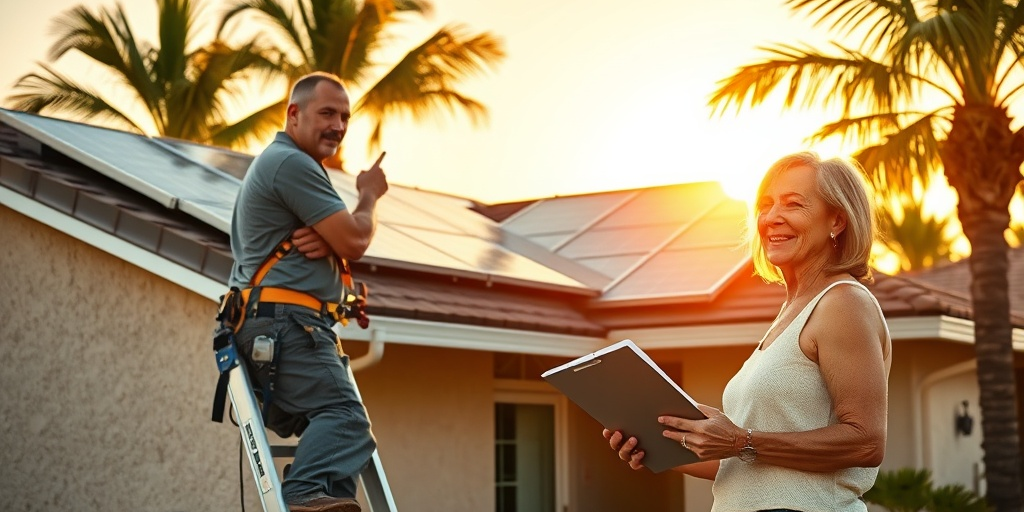
How long do solar panels really last? On average, solar panels are built to endure for around 25 to 30 years, but many can exceed this timeframe when properly maintained. To individualize this concept, let us consider the story of Sarah, a Florida homeowner who made the switch to solar energy three years ago. Living in Orlando, Sarah was tired of sky-high electric bills and wanted to take charge of her energy consumption. After doing her homework, she chose a reputable local supplier, Florida Electric & Solar, and installed high-efficiency panels with a 25-year warranty.
Her experience has been enlightening—not only has she managed to cut her electric bills by more than 60%, but the peace of mind knowing her system is creating energy from renewable resources has transformed her outlook. She regularly checks her solar production and has even gone beyond conventional understanding. With simple maintenance and optimization, her panels are projected to last decades longer than anticipated.
- Checklist of Factors for Longevity:
- Quality of the panel: High-quality panels from renowned manufacturers can last longer and maintain efficiency better than cheaper alternatives.
- Installation: Hiring an experienced installer is crucial. Poor installation can lead to performance issues and a shorter lifespan.
- Maintenance: Regular cleaning and inspections can catch problems early, prolonging the system’s operational life.
Considering that solar panels lose about 0.5% efficiency per year, it’s critical to select panels designed for longevity. This isn’t just an investment in technology—it’s a commitment to sustainability. Take, for example, Florida’s solar power capacity, which has experienced rapid growth—state initiatives aim to boost residential solar installations by 25% by 2025 (NREL.gov). With the right strategy, you can not only generate savings but also contribute to a cleaner future.
Let’s dive deeper into journeys like Sarah’s through actionable steps we can apply as we explore maximizing the lifespan of solar panels.
5 Actionable Steps to Maximize Your Solar Investment
Step 1: Research Your Options Thoroughly
Before committing, explore different solar panel manufacturers and types. Consider asking for comparisons regarding efficiency ratings, warranties, and reviews. Trusted brands often offer better long-term support.
Step 2: Choose Quality Installation
Don’t skimp on your installation team. Check credentials and customer testimonials before hiring. An experienced local installer like Florida Electric & Solar ensures your system is optimally installed, protecting your investment.
Step 3: Keep Your Panels Clean
In Florida, dirt and debris can accumulate quickly. Regular cleaning maximizes power production and addresses any minor maintenance issues that might arise.
Step 4: Monitor Performance
Invest in solar monitoring tools to keep track of your panel efficiency. Homeowners can notice performance issues before they become costly problems.
Step 5: Stay Informed on Technologies
Solar technology is always evolving. Staying up-to-date on advancements can mean improved efficiency for your system and informed upgrades in the future.
Each of these steps underscores the importance of informed decision-making, linking to solar production and longevity. Reflecting on these tips equips you with the knowledge necessary to harness solar power effectively, protecting your investment for years to come.
Dispelling Myths About Solar Panel Lifespan
Myth #1: Solar Panels Don’t Work in Cloudy Weather
This is inaccurate! Solar panels can still produce energy on cloudy days—up to 25% of their capacity is often achievable, mitigating concerns about variable weather conditions.
Myth #2: Solar Panels Require Frequent Replacements
Many homeowners believe their panels will need replacing after 20 years. In reality, most high-quality panels are designed to last significantly longer without needing replacement.
Myth #3: Solar Panels Are Too Expensive
While initial costs can be daunting, the long-term savings on electric bills surpass the upfront investment, particularly with current incentives and financing options available for Florida homeowners.
Myth #4: All Solar Panels Work the Same
Panel quality varies significantly. Higher-efficiency models may have a higher upfront cost but lead to greater savings in the long run due to increased production.
Understanding these common misconceptions empowers potential solar investors to make informed choices and dispels fears surrounding the transition to solar energy. Keep in mind: as of 2025, installing solar in Florida not only makes sense for your wallet but also contributes to a sustainable future.
Florida’s Unique Solar Landscape
Florida is considered the Sunshine State for a reason—its sunny climate creates abundant opportunities for solar energy adaption. However, these advantages come with unique challenges that local residents must navigate. The state ranks third in the nation for installed solar capacity, with a potential further increase as policies evolve to favor solar innovation (SolarReviews.com).
- 1. Net Metering Regulations: Florida allows homeowners to sell excess power back to the grid, effectively reducing energy costs and enhancing the appeal of solar investments.
- 2. Property Tax Exemptions: Solar energy systems are exempt from property taxes, allowing homeowners to maximize their return on investment.
- 3. State Incentives: As of 2025, Floridians can benefit from programs aimed at promoting solar adoption, such as rebates and tax credits tailored to support installation costs.
These factors combined mean solar is appealing in Florida not only for the environment but also for economic reasons, making it a straightforward option for savvy homeowners. Overall, the landscape conveys a bright future for solar energy in the state. By taking advantage of unique local regulations and incentives, you can enjoy a seamless journey toward energy independence.
Your Roadmap to Solar Success in 2025
Step 1: Begin with an Energy Audit.
Understanding your energy usage provides insights into the size and type of solar system that works best for your needs.
Step 2: Investigate Financing Options.
Evaluate potential financing programs, including loans, leases, and power purchase agreements (PPAs) to determine what method suits your financial situation.
Step 3: Secure Quotes from Qualified Installers.
Get estimates from multiple installers to ensure you’re making an informed decision whether financing or leasing.
Step 4: Review Contracts Carefully.
Ensure you understand all terms before signing. Check timelines, maintenance obligations, and warranty options.
Step 5: Monitor Your System After Installation.
Once your solar panels are installed, keep an eye on their performance to ensure optimal functioning. If issues arise, consult with your installer to resolve them.
These steps provide a practical framework that can simplify the solar purchasing process—allowing every homeowner to confidently navigate the shift to solar power.
Conclusion: The Future of Solar in Florida
The journey toward solar can seem complex, especially as 2025 approaches with ever-increasing energy costs and environmental pressures. However, by understanding the implications of solar panel lifespan, debunking common myths, and taking actionable steps, you can fortify your investment and illuminate your home with renewable energy. Whether it’s Sarah in Orlando, or you as a potential solar buyer, the possibilities for savings and sustainability are vast.
Taking steps toward a solar installation means reducing dependency on fossil fuels and securing a brighter future for both your family and the environment. As a Florida homeowner, the decision to embrace solar is not just an opportunity—it’s a necessity backed by data and improving technology.
Ready to start your solar journey in 2025? Connect with a certified expert at floridaelectricandsolar.com today.
“`
Related Articles
More insights about Solar Panel

Florida Homeowners: Why Solar Panel Maintenance Is Essential

7 Essential Steps for Solar Panel Installation Success

Expert Insights: Key Factors Influencing Solar Panel Lifespan
Ready to Go Solar?
Have questions about solar energy? Our experts are here to help you make the switch to clean, renewable energy.