
Florida Homeowners: Understanding Solar Panel Lifespan For Maximum Savings
Share:
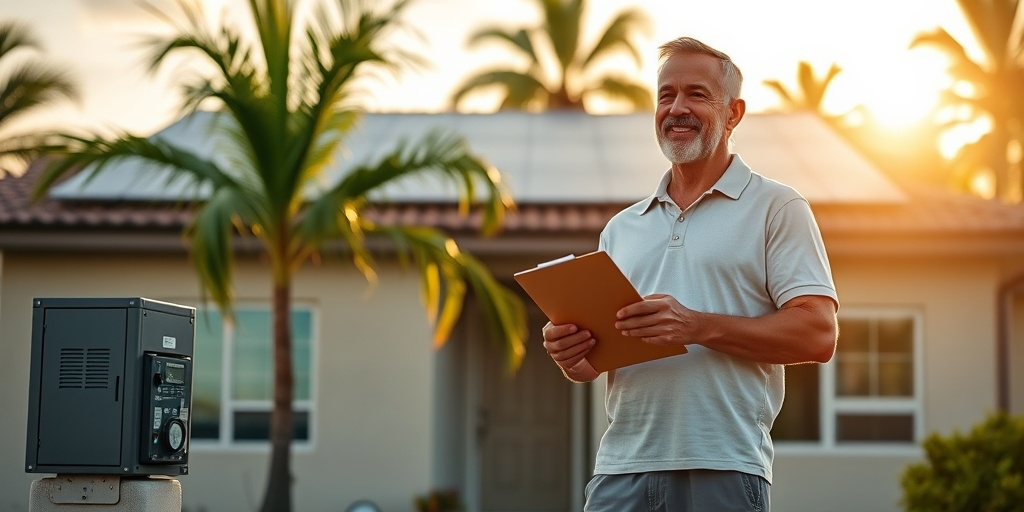
Did you know that solar panels can last between 25 to 30 years? That’s a time frame during which you can cut down on your electricity bills significantly and contribute to a cleaner environment. In 2025, as energy costs continue to rise and concerns about grid stability loom, understanding solar panel lifespan is more crucial than ever. Welcome to our guide: Florida Homeowners: Understanding Solar Panel Lifespan For Maximum Savings. In this insightful article, you will discover how to maximize your savings by delving into the specifics of solar technology, Florida’s energy policies, and practical steps you can take to ensure your solar investment pays off. In fact, homeowners who go solar in Florida save an average of $10,000 over the lifespan of their panels (SEIA.org). Moreover, the increased federal solar tax credit could propel potential savings even higher, making the transition to solar not just smart, but essential. We will explore the following five sections: a gripping case study, actionable checklists for new solar buyers, the debunking of solar myths, a deep dive into Florida’s solar landscape, and an expert guide on maximizing panel longevity.
The Lifespan of Solar Panels: An In-Depth Case Study
Meet John, a Florida homeowner who decided to transition to solar energy in early 2025. Living in Tampa, he was tired of rising electricity bills that were increasingly eating into his family’s budget. After doing some research, he learned that solar panels can last 25 to 30 years and can continue producing energy even as they age. Excited by the prospect of energy independence and sustainability, John took the plunge and invested in a quality solar system. Within the first year, he noticed a dramatic drop in his electric bills—from upwards of $200 monthly to less than $50. This money was redirected towards his children’s education fund, making a tangible difference in their lives.
John’s story highlights several essential points: not only is solar energy a long-term investment, but it also contributes to significant savings that can be redirected towards valuable family priorities. In tandem, his home’s value increased due to the addition of solar panels, which made his home more attractive to future buyers (SolarReviews.com). This is particularly relevant in Florida, where a house with solar panels sells for an average of $15,000 more than a comparable house without solar installation.
To ensure that homeowners like John maximize the benefits of their solar investments, here’s a handy checklist for getting started:
- Evaluate Your Energy Needs: Examine past electric bills to assess your average monthly usage.
- Research Local Policies: Understand Florida’s solar incentives, including net metering and the federal Solar Investment Tax Credit.
- Choose Quality Equipment: Invest in high-efficiency solar panels and a reputable installer.
- Perform Regular Maintenance: Keep panels clean and optimized for energy capture.
- Inspect Inverters and Batteries: Monitor these essential components regularly to ensure long-term performance.
Now that you have a personalized roadmap, let’s tackle some pervasive myths surrounding solar energy that may hold potential buyers back.
Myth-Buster: Clarifying Misconceptions About Solar Energy
Myth #1: Solar panels don’t work in cloudy weather. While solar panels generate less energy on cloudy days, they can still function effectively and capture energy. In Florida, where sunshine is abundant, a solar installation can still produce a significant output, even on partially cloudy days.
Myth #2: Going solar is too expensive. Initial costs may seem daunting, but federal and state incentives, such as the 30% tax credit for solar installations, help offset these expenses. Plus, over time, the savings on electricity bills will far outweigh the upfront costs.
Myth #3: Solar panels require too much maintenance. Modern solar systems require very little maintenance, only needing occasional cleaning and routine checks. Most panels are designed to operate efficiently for 25 years or longer, providing peace of mind to homeowners.
Myth #4: Solar energy doesn’t provide enough power for my home. Many people underestimate the energy capacity of solar panels. In fact, a complete solar system can power homes entirely, depending on usage and the system’s size.
Myth #5: You need to live in a sunny area to benefit from solar energy. Although sunny states like Florida offer great potential, solar energy can be harnessed in various weather conditions, making it accessible for nearly every location.
With these misconceptions cleared, let’s turn our attention to Florida-specific insights to help inform your solar journey.
Understanding Florida’s Unique Solar Landscape
Florida is known as the “Sunshine State” for good reason. With an average of 237 sunny days per year, the conditions here are ideal for solar energy generation. As of 2023, Florida ranks third in the United States in terms of installed solar capacity, contributing over 5,000 megawatts to the grid and providing energy for hundreds of thousands of homes (SEIA.org). The state offers various incentives, including the Property Tax Exemption for solar energy systems, meaning that the value added to your property through solar installation is not subjected to property tax. This financial breathing space can significantly enhance the long-term returns of your investment.
What sets Florida apart from other states is its net metering policy, which allows solar homeowners to sell excess energy back to the grid at retail rates. This not only reduces your overall electric bill but can also generate additional income through your solar system. In fact, homeowners who utilize net metering effectively can save thousands of dollars each year from their electric bills (SolarEnergy.org).
Moreover, it’s important to be aware of regional incentives that help encourage solar adoption, such as the statewide initiative known as the Florida Renewable Energy Community Initiative, which supports the growth of community solar programs. These programs allow residents who may not have suitable roofs for solar panels to benefit from solar energy.
Moving forward, let’s dive deeper into best practices for choosing your installation to maximize efficiency and longevity of your solar panels.
5 Expert Solar Installation Tips for 2025
Are you ready to maximize your investment and ensure your solar energy system performs at its best? Follow these expert tips to optimize your installation:
- Location Matters: Place solar panels in an area with maximum sun exposure. Avoid shaded spots to ensure panels capture as much sunlight as possible, which enhances efficiency.
- Choose the Right Installer: Select experienced and reputable solar installers to ensure quality work. Research local companies, read reviews, and check their credentials.
- Understand Local Regulations: Make sure you’re aware of permitting and zoning requirements for solar installations in your locality to avoid any roadblocks.
- Monitor Performance: Utilize solar monitoring systems. Tracking your solar production regularly helps identify issues and ensures optimal functioning.
- Sustainability Commitment: Consider installing energy-efficient appliances and battery storage systems to further enhance your energy savings and independence.
Implemented correctly, these best practices will pave the way for enhanced energy savings, ensuring that your solar panels remain efficient throughout their lifespan. Next, let’s engage with a compelling narrative about one homeowner’s tailoring of their solar experience best suited for maximum benefit.
Emily and Mark’s Solar Journey: A Fictional Case Study
Emily and Mark, a couple living in Fort Lauderdale, approached the solar transition with excitement but initial uncertainty. After extensive research, they learned not only about the lifespan of solar panels but about positioning their system optimally for maximum year-round performance. During their initial consultations with solar companies, they discovered that panels need to be angled at 30 to 45 degrees in Florida for optimal sunlight capture. Because they followed this crucial guideline, their system generated substantial energy even in winter months.
Here’s what they did to navigate the solar landscape effectively:
- Installed High-Quality Panels: They opted for Tier-1 solar panels with a warranty extending to 25 years, assuring them of reliability.
- Engaged a Reputable Installer: Ana, a highly rated local installer, guided them through each step of installation, including connecting them to net metering.
- Started Monitoring Savings: Installing a monitoring app allowed them to track production daily, providing them peace of mind.
- Joined a Solar Community Group: Engaging with local solar advocates provided ongoing support and tips from other homeowners.
These actions laid the foundations for their successful transition to solar energy. As they reminisce about their energy bills slashed to under $40 a month, their experience emphasizes how crucial informed decisions are for maximizing savings. Now, with a clearer understanding of the lifecycle of solar systems, let’s tackle an actionable plan featuring next steps for Florida homeowners.
Next Steps for Florida Solar Buyers in 2025
If you’re ready to embrace solar energy and lead the way for sustainable living in Florida, follow this actionable plan:
- Audit Your Electric Bill: Collect the past six months of your electric usage to determine your average energy consumption, guiding your solar panel size.
- Research Local Solar Incentives: Familiarize yourself with state incentives available in Florida, including sales and property tax exemptions.
- Evaluate Solar Companies: Gather multiple quotes from different installers and analyze their equipment offerings and warranties.
- Choose a Financing Plan: Explore various funding options like solar loans, leases, or PPAs (Power Purchase Agreements) to secure the most favorable arrangement.
- Schedule Installation: Confirm scheduling with your installer and ensure all local permits are secured prior to installation.
Following these steps can significantly lower the friction involved in transitioning to solar. For all your solar energy needs, visit floridaelectricandsolar.com to learn more about how we can help streamline your journey.
In conclusion, navigating the world of solar energy may seem daunting, but armed with the right knowledge, Florida homeowners can make informed choices that lead to maximum savings and sustainability. With the urgency of rising energy costs and the added benefits of federal incentives in play, there’s never been a better time to adopt solar energy. Remember John, Emily, and Mark as inspiring examples of how well-planned solar investments can change lives—lower bills, improved home value, and a reduced carbon footprint. Are you ready to start your solar journey in 2025? Connect with a certified expert at floridaelectricandsolar.com today.
Related Articles
More insights about Solar Panel

Florida Homeowners: Why Solar Panel Maintenance Is Essential

7 Essential Steps for Solar Panel Installation Success

Expert Insights: Key Factors Influencing Solar Panel Lifespan
Ready to Go Solar?
Have questions about solar energy? Our experts are here to help you make the switch to clean, renewable energy.