
Myth-Buster: Misconceptions About Solar Panel Lifespan You Need to Know
Share:
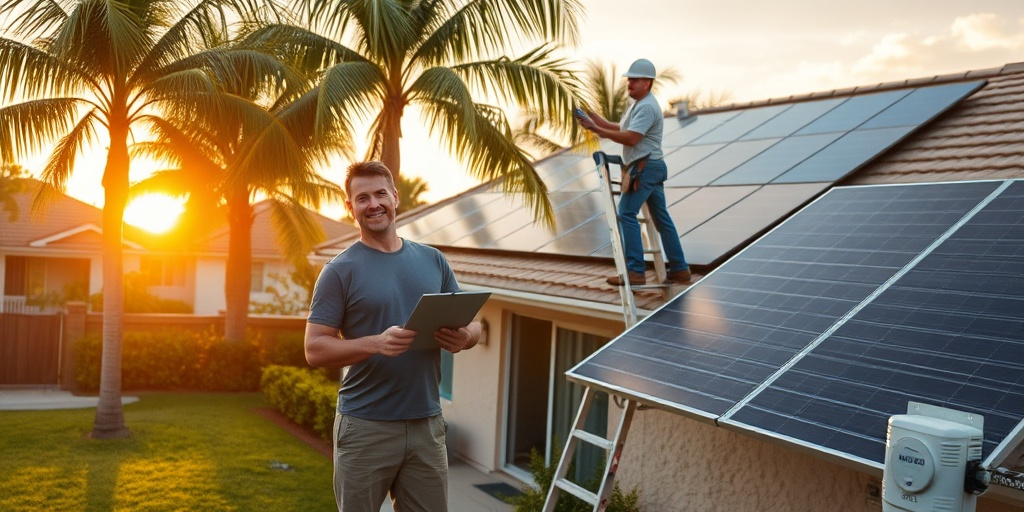
Imagine standing in your backyard, watching the sun rise over the beautiful Florida landscape, knowing that your home is not only basking in sunlight but also powered by it. The waves of heat filtering through are turned into energy, reducing your electric bills while contributing to a sustainable future. Unfortunately, many Florida homeowners remain skeptical about solar power, particularly regarding how long solar panels actually last. This brings us to our topic: Myth-Buster: Misconceptions About Solar Panel Lifespan You Need to Know. In recent studies, it has been found that most solar panels last between 25 to 30 years with proper maintenance (SEIA.org), and advanced technology continues to improve efficiency. Yet still, numerous myths persist, clouding the decision-making process for many would-be solar adopters.
Why should you care urgently about these myths in 2025? The landscape of solar energy is evolving, with new incentives up for grabs and energy prices on the rise. In Florida, as of 2023, energy rates have surged by over 30%, making it the perfect time to consider solar as a viable solution (SolarReviews.com). With this blog, you’ll not only dismantle the myths regarding solar panel lifespan but also gain a comprehensive understanding of how to make an informed decision about going solar.
In this post, we will explore:
1. A deep dive to uncover the truth about solar panel longevity.
2. A step-by-step checklist for adjusting to your new solar lifestyle.
3. Common misconceptions, debunked.
4. Specific regional insights into Florida’s solar landscape.
5. A technical breakdown of the systems powering your home and how they play into lifespan myths.
Understanding Solar Panel Longevity: The Truth Revealed
Let’s begin by telling the story of Sarah, a Florida homeowner who made the leap to solar energy in 2023. Overwhelmed by soaring energy bills and keen to reduce her carbon footprint, she opted for a solar panel installation. However, skepticism loomed as she encountered various myths about solar panel longevity.
Sarah had heard everything—from claims that solar panels only last a decade to the belief that they degrade rapidly. Feeling uncertain, she turned to Florida Electric & Solar for answers. The truth is that most modern solar panels are engineered to last, with many manufacturers offering warranties spanning 25 years (Energy.gov). The durability of these systems is a marvel of modern engineering, designed to resist the elements prevalent in Florida—hurricanes, intense heat, and humidity.
To keep it practical for you, here’s a quick checklist on what factors affect solar panel lifespan:
- Quality of Materials: High-quality panels last longer. Look for brands vetted through reviews and industry studies.
- Installation Quality: Professional installation directly influences panel performance. Poor installation can lead to various issues, significantly shortening lifespan.
- Maintenance: Regular cleaning and inspections enhance durability and performance, ensuring your solar system operates at its best.
- Environment: Locations with extreme weather conditions might see a decrease in performance; however, Florida solar panels are designed with resilience in mind.
In short, Sarah learned that not only was her investment sound, but it was also sustainable.
Exposing Common Myths About Solar Longevity
To clarify misconceptions surrounding solar panel lifespan, let’s address some prevalent myths:
- Myth #1: Solar panels only last 10 years. In reality, most high-quality solar panels can last between 25 to 30 years (SEIA.org). Even after 30 years, they typically still operate at over 70% efficiency.
- Myth #2: After their warranty expires, solar panels become useless. Panels generally continue producing power well after the warranty period ends; manufacturers offer warranties based on performance, not lifespan.
- Myth #3: All solar panels degrade at the same rate. Different brands and types of panels have different degradation rates. Industry-leading panels degrade at around 0.5% to 1% annually compared to others, which may see quicker drops in efficiency.
- Myth #4: Solar panels require continuous maintenance. While some upkeep is necessary, solar panels are largely passive systems. A regular cleaning and inspection are often enough to maintain efficiency.
- Myth #5: Florida’s climate is too harsh for solar technology. The contrary is true! Modern panels are designed to endure extreme weather; plus, Florida’s high solar insolation means panels can be highly effective.
By tackling these myths, Florida homeowners like Sarah can confidently choose solar energy and realize its long-term benefits. Transitioning to solar power means more savings over time, and the initial investment pales in comparison to the potential returns on energy savings.
A Step-by-Step Checklist for Your Solar Transition
Step 1: Assess Your Current Energy Use. Begin by thoroughly examining your electric bills for the past year. Pay attention to your monthly consumption and peak usage times. Understanding your energy usage is fundamental to determining the size of your solar installation.
Step 2: Research Available Incentives. Florida homeowners can take advantage of the federal solar tax credit, which provides a 30% rebate on your solar investment (DSIREUSA.org). Additionally, check for local incentives that may apply to your area.
Step 3: Choose the Right Solar Provider. Taking time to vet local solar companies ensures you’ll receive high-quality materials and skilled installation. Reviews, testimonials, and Solar Rating & Certification Corporation (SRCC) ratings can guide your choice.
Step 4: Understand Your Financing Options. Explore various financing methods, including cash purchases, leases, and Power Purchase Agreements (PPAs). Each option has unique benefits and drawbacks, so evaluate what works for you.
Step 5: Monitor and Maintain. After your solar panels are installed, keep track of their performance. Some systems have apps that allow real-time monitoring of energy production. Regular cleaning and inspections can help maintain optimum efficiency.
For more resources on making the right solar choices, check out floridaelectricandsolar.com.
Best Practices for Maximizing Performance and Lifespan
As you’re considering solar energy, it’s crucial to follow best practices that ensure optimum performance:
- Panel Placement: Don’t skimp on orientation and angle. South-facing installations generally receive the most sunlight throughout the day, maximizing energy production.
- Regular Cleaning: Dirt, dust, and debris can accumulate on panels, blocking sunlight. A quick rinse with a hose is often sufficient to maintain optimal performance.
- Professional Inspections: Schedule annual inspections with a qualified technician to check for issues ranging from wiring problems to tree growth that could obscure sunlight.
- Technology Upgrades: Keep an eye on advancements in solar technology. While your existing panels may last over two decades, newer panels may offer improved efficiency worth considering if replacement is necessary.
- Utilize Battery Storage: Consider adding battery storage to your solar setup. This allows you to store excess energy for nighttime use, further enhancing your energy independence.
Research shows that effective solar monitoring systems can increase energy production by up to 30% (NREL.gov), making this an essential step after installation.
Florida’s Solar Landscape: A Growing Market
In the heart of the Sunshine State, solar energy is becoming increasingly essential for homeowners and businesses alike. To highlight this, let’s take a look at the case of John, a local café owner in Tampa who had been struggling with soaring electric bills. In 2023, John decided to install solar panels to mitigate rising energy costs. His panels, manufactured by a reputable brand, have a projected lifespan of over 25 years.
Since installing his solar system, John has video testimonials lined up from satisfied customers highlighting how he utilizes his rooftop to showcase eco-friendliness, thereby securing a more extensive customer base. Life with solar has brought him significant savings and peace of mind, knowing he is making a positive impact on the environment.
Here are critical statistics illustrating Florida’s solar landscape:
- Over 8,500 MW of solar capacity is installed in Florida, making it the third-largest solar market in the country.
- Florida homeowners utilizing solar have seen an average reduction of 40% in their energy bills after installation.
- More than 20,000 solar jobs have been created as a direct result of the growth in the solar sector, providing a significant boost to the local economy.
As John’s story illustrates, transitioning to solar power can offer a wealth of benefits that extend beyond financial savings—creating a ripple effect that benefits the community and environment.
Next Steps for Florida Solar Buyers in 2025
Now that you’re informed about the realities behind solar panel lifespan, you might be wondering what actions to take next. Here’s a recap of steps to ensure a seamless transition to solar energy:
- Audit Your Electric Bill: Start with a comprehensive review of your electricity usage to determine your solar power needs.
- Research Solar Options: Explore the types of solar panels on the market, focusing on their warranties and performance ratings.
- Contact Local Installers: Get quotes and estimates from installers, comparing their experience and the technology they offer.
- Evaluate Financing: Look at different financing options available, ensuring you select one that fits your financial situation.
- Plan for Future Upgrades: Consider integrating energy-efficient appliances or battery storage systems to maximize your solar investment.
Taking these steps can help demystify the solar transition and set you on a path toward energy independence. As Florida continues to embrace this renewable energy revolution, be proactive!
As we wrap up, we’ve uncovered crucial truths around solar panel lifespan while debunking many unpleasant myths. This understanding arms Florida homeowners and business owners with the knowledge needed to make informed decisions. It’s not just about saving money—this is about shaping a future that will benefit generations to come.
Ready to start your solar journey in 2025? Connect with a certified expert at floridaelectricandsolar.com today.
Related Articles
More insights about Solar Panel

Florida Homeowners: Why Solar Panel Maintenance Is Essential

7 Essential Steps for Solar Panel Installation Success

Expert Insights: Key Factors Influencing Solar Panel Lifespan
Ready to Go Solar?
Have questions about solar energy? Our experts are here to help you make the switch to clean, renewable energy.