
Don’t Wait: The Surprising Risks of Delaying Solar Panel Installation
Share:
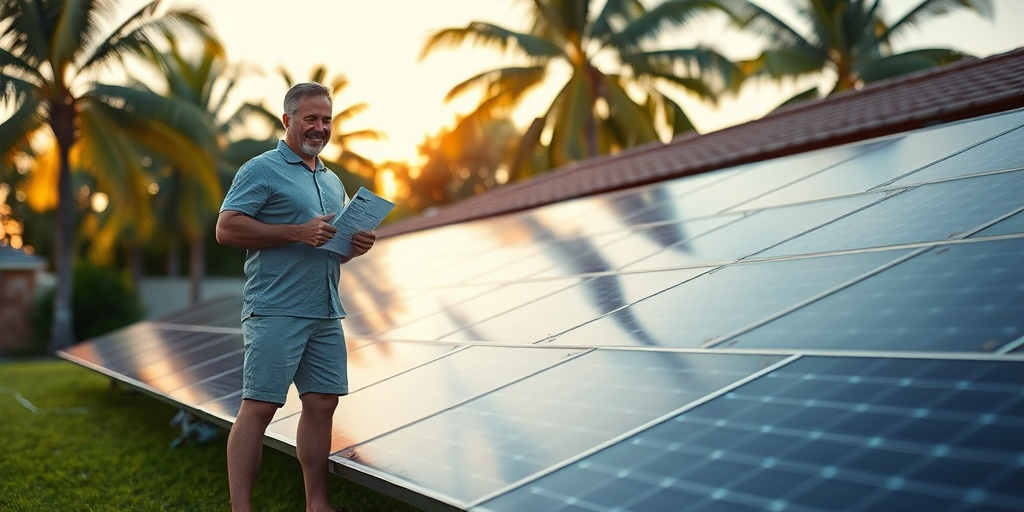
Did you know that Florida ranks as one of the top states in solar energy potential, yet less than 10% of homeowners have installed solar panels? This startling statistic showcases a significant opportunity, but it also reflects a troubling trend: many Floridians are postponing their transition to solar energy. The truth is, delaying your decision to install solar panels can expose you to a myriad of risks. In this article titled Don’t Wait: The Surprising Risks of Delaying Solar Panel Installation, we’ll explore why taking action sooner rather than later is essential for protecting your investment and maximizing your utility savings.
In 2025, the urgency is greater than ever. Not only will we see rising energy costs, but new solar incentives will likely be on the table. According to the Solar Energy Industries Association, 90% of the solar projects installed in the U.S. in 2022 were residential systems—underlining the increasing demand for domestic solar energy (SEIA.org). Furthermore, with Florida’s unique position as a solar powerhouse, homeowners here have a duty to harness this clean energy before they miss out on crucial savings.
In the following sections, we will delve into:
- The dangers of waiting to go solar: A real Florida case study
- A checklist of vital steps to take before you install
- Debunking common myths around solar panel installation
- Focusing on Florida: The local energy landscape and its implications
- Understanding the technical aspects of solar systems and financial benefits
Prepare to discover how timely decisions can secure your energy future and how procrastination could lead to financial regrets.
Why Waiting to Install Solar Can Hurt You: A Case Study
Imagine a couple in Sarasota, Jamie and Alex, who had been contemplating solar energy for their home for years. Each summer, their electric bills skyrocketed as temperatures soared, often exceeding $300 a month. After attending a local solar seminar, they were convinced that going solar was the answer to reducing bills and increasing home value. However, the couple decided to wait until “next year” to make a decision, thinking they might save some money by shopping around more.
As fate would have it, just a few months later, utility companies began to announce rate increases expected to climb 5-7% annually (SolarReviews.com). This announcement was the tip of the iceberg for Jamie and Alex, who learned the hard way about the hidden dangers of delay.
By the end of the year, their electric bill surged to nearly $400 monthly, and the available tax credits for solar installation began to dwindle. They were also informed that federal incentives for solar power were subject to change in 2025, leading them to question if their investment would still yield substantial savings.
This story encapsulates a critical reality: the longer you wait, the more you risk falling victim to escalating energy costs and lost savings. As shown by Florida’s 1.3 million solar installations as of 2023 (NREL.gov), time is of the essence. Waiting to install solar can lead to substantial missed opportunities and inflated costs.
Checklist: 5 Steps to Safeguard Your Investment
- Step 1: Conduct a comprehensive energy audit. This assessment will help determine your current energy needs and how solar can meet them.
- Step 2: Research your financing options. With various programs available, take the time to find the best financial solution that fits your budget.
- Step 3: Assess the right time to install. Consider factors like seasonal weather impacts on installation timelines and potential utility rate hikes.
- Step 4: Stay updated on government incentives. Being aware of any changes in tax credits or rebates can lead to substantial savings on your solar installation.
- Step 5: Choose a reputable solar installer. Investigate customer reviews, certifications, and past project portfolios to ensure your installation is done right the first time.
As Jamie and Alex discovered, an informed choice can save you thousands. The key lies in timely action. Now vividly aware of the economic consequences of procrastinating their solar journey, they are finally taking serious action toward installation. But what about those myths surrounding solar energy that often hold homeowners back? Let’s take a look.
Myth-Busting: Debunking Solar Energy Misconceptions
Myth #1: Solar power is too expensive.
Many homeowners believe that solar installation is a significant financial burden, but when considering long-term savings, solar panels pay for themselves within five to seven years and can add tens of thousands to home value (Energy.gov).
Myth #2: Solar panels only work in sunny weather.
While Florida’s sunny climate is advantageous for solar energy, panels can still generate electricity on cloudy days and even during rain.
Myth #3: Installing solar panels is complicated and time-consuming.
Modern solar systems are designed for efficient installation and minimal disruption. A professional assessment, permits, and installation can often be completed in weeks, not months.
Myth #4: I will not benefit from solar because my roof isn’t ideal.
Whether a roof is flat, sloped, or shaded, there are solutions available—like ground-mounted systems or solar canopies—to ensure you can harness solar energy.
Myth #5: All solar panels are the same.
With a variety of options like monocrystalline, polycrystalline, and thin-film technologies, the efficiency and longevity of panels can vary significantly. Choosing high-quality panels can maximize your investment in the long run.
With so many rumors and false beliefs, it’s clear why some Florida homeowners hesitate to go solar. Debunking these myths is crucial for understanding how accessible solar energy truly is. Armed with accurate information, now let’s look closer at the unique aspects that make Florida a hotbed for solar potential.
The Florida Factor: Why Local Insights Matter
Understanding Florida’s energy landscape is key to making informed solar decisions. The state enjoys abundant sunshine throughout the year, averaging 237 sunny days and receiving up to 2520 hours of sunlight annually. This means that Florida has some of the highest solar energy potentials in the nation (NREL.gov). Yet, only 10% of homeowners have taken the plunge.
- Net Metering Policies: Florida offers net metering, allowing homeowners to sell excess energy generated back to the grid, thus lowering electricity costs. This incentivizes solar installation and can significantly offset overall expenses.
- Sales Tax Exemptions: Solar equipment is exempt from sales tax, resulting in further monetary savings. Taking advantage of this can lead to substantial short-term benefits for homeowners.
- Rapidly Emerging Solar Incentives: In addition to federal tax credits, several local and state-based utility rebates continually evolve, making it imperative for homeowners to stay informed about new financial opportunities.
This local focus demonstrates that Florida is uniquely positioned for solar growth, but homeowners need to act quickly to take advantage of these benefits before changes to policies occur. Now, let’s delve deeper into what solar systems entail to clarify what positive changes can occur when going solar.
Technical Deep Dive: Solar Energy Explained
When considering solar power, one must know the intricate components involved. Solar systems comprise several critical parts, each enhancing performance and efficiency.
- Solar Panels: Comprised of photovoltaic cells, these panels convert sunlight into electricity. For optimal performance, consider high-efficiency models that provide better longevity and generate the most energy.
- Inverters: After solar panels generate DC (direct current) electricity, inverters convert this electricity to AC (alternating current), making it usable in your home. Quality inverters are vital for a seamless transition between generated power and grid supply.
- Batteries: Energy storage solutions allow homeowners to store surplus energy for later use. This is particularly essential in Florida where the grid can be less stable during hurricane season.
Within the technical framework, understanding the financial benefits is crucial. A recent study by the National Renewable Energy Laboratory shows that homes with solar panels can sell for an average of $15,000 more than non-solar homes (NREL.gov). Furthermore, with rising electricity rates, adopting solar energy can effectively safeguard against costs and ensure stable energy bills long-term.
Knowing how these systems operate empowers Florida homeowners to make informed decisions. Lastly, as we approach the conclusion, let’s discuss the next steps to ensure that you are prepared to take action in 2025!
Next Steps for Florida Solar Buyers in 2025
Understanding how essential it is to act swiftly is crucial. Here’s a concise checklist of how to navigate your solar journey:
- Audit Your Electric Bill: Start by examining your past electric bills to understand usage patterns and how much you can potentially save with solar.
- Research Solar Providers: Not all solar companies are created equal. Look for local companies with solid reputations and experience in Florida’s market, like floridaelectricandsolar.com.
- Evaluate Solar Financing Options: Explore various financing options—cash, loans, and leases. Each has distinct benefits that can influence your cash flow appropriately.
- Set a Timeline for Installation: Consider both seasons and market fluctuations when planning your installation to optimize savings.
- Stay Informed on Incentives: Solar incentives evolve quickly, so stay updated by following industry news to ensure you take advantage of the best available offers.
Acting on these steps can be the difference between reaping savings and suffering from the consequences of delaying your solar installation. In conclusion, combating procrastination can unlock countless benefits for your family and home.
Ready to start your solar journey in 2025? Connect with a certified expert at floridaelectricandsolar.com today.
Related Articles
More insights about Solar Panel

Florida Homeowners: Why Solar Panel Maintenance Is Essential

7 Essential Steps for Solar Panel Installation Success

Expert Insights: Key Factors Influencing Solar Panel Lifespan
Ready to Go Solar?
Have questions about solar energy? Our experts are here to help you make the switch to clean, renewable energy.