
How One Florida Homeowner Transformed Their Life with Solar Panel Installation
Share:
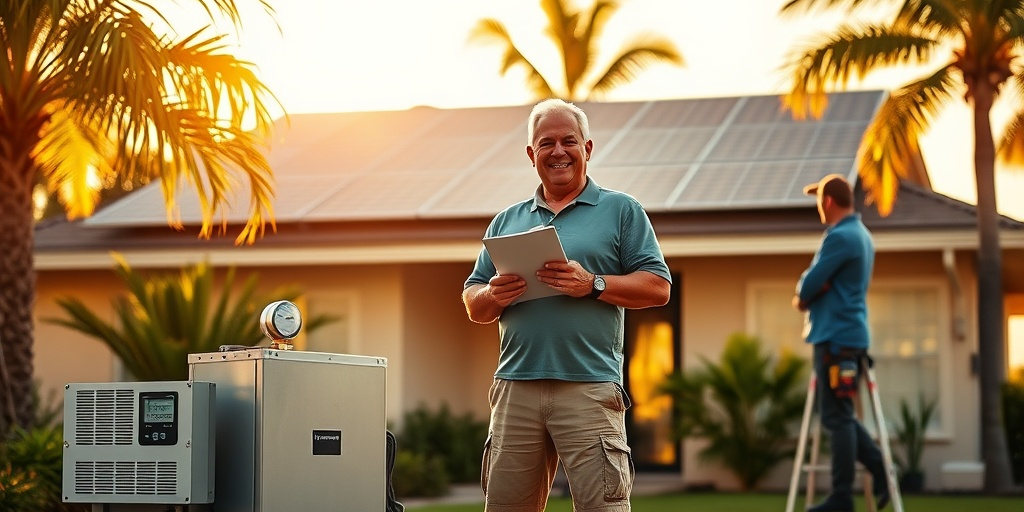
In a state renowned for its sunshine and escalating energy costs, the decision to go solar can feel both thrilling and daunting. Did you know that the average Florida homeowner can save about $1,000 a year by switching to solar energy? Even more striking, reports suggest that residential solar installations have grown by over 62% in recent years (SEIA.org). Welcome to our exploration titled How One Florida Homeowner Transformed Their Life with Solar Panel Installation, where we uncover the incredible story of a homeowner who embraced solar energy to redefine their future.
As we step into 2025, the stakes are higher than ever; rising energy expenses and potential grid instability drive the urgency for Floridians to consider more sustainable power solutions. Not only is Florida set to offer expanded solar incentives, but the advantages of going solar are becoming increasingly clear. In this post, we will delve into the fascinating experience of a Florida homeowner, outlining five critical sections: a comprehensive case study that showcases their transformative journey, a checklist for prospective solar buyers, a myth-busting section that clarifies misconceptions, a focus on local Florida solar benefits, and a technical deep dive into the components of solar systems. Join us as we shine a light on how going solar can lead to life-changing benefits and savings!
A Real-Life Journey: How One Florida Homeowner Transformed Their Life with Solar Panel Installation
Meet Maria Gonzalez, a resident of Orlando, Florida, who encountered rising electricity bills that seemed to creep higher with every passing year. A single mother and a teacher, Maria always lived on a budget, trying to juggle bills while ensuring her children had every opportunity to thrive. After a particularly shocking electric bill showed a surge of $300 one summer month, Maria began to seriously consider solar energy. “I felt that I was working hard just to pay the electric company,” she recalls. “I needed to take control.”
Researching the available options, Maria soon learned that the Florida solar market was booming. Did you know that Florida ranks 2nd in the nation for total installed solar capacity? With over 5,500 megawatts installed as of 2021, the state has a growing community of solar users (SEIA.org). Armed with this information, Maria decided it was time to take the plunge into solar energy.
- Step 1: Evaluate Your Energy Needs – Maria contacted a local solar provider and had an energy audit done. This audit revealed that her home could benefit significantly from solar power based on her average utility consumption.
- Step 2: Choose Your System – The advisor explained various system options that best suited her needs, including different types of panels and inverters. They ultimately decided on a 7.5 kW system that would cover most of her energy needs.
- Step 3: Financing Options – Maria explored both cash and financing options for her solar system. She discovered state and federal tax incentives, along with financing plans that made the initial investment manageable.
- Step 4: Installation Day – Installation was a breeze and took only two days. Maria was thrilled to see the solar panels on her roof, knowing they would help her family save money.
- Step 5: Enjoy the Savings – With the system online, not only did her electricity bills drop drastically, but she also started receiving credits from her utility company for surplus energy generated during peak sun hours.
One of the most pressing concerns many homeowners have is whether solar panels can withstand Florida’s extreme weather. Maria learned that modern solar panels are designed to endure high winds and heavy rains, making them an excellent fit for Florida’s often turbulent weather patterns.
Despite initial fears, Maria saw significant insight into how behaviors affect electricity consumption. “Now, I pay attention to my usage patterns,” she says. “The solar panel monitoring app gave me insights that I never had before.” Through this awareness, she was able to reduce her overall electricity consumption while maximizing her solar savings.
Actionable Checklist for Prospective Florida Solar Buyers
Thinking about diving into solar energy? Here’s a concise checklist to guide you through the process:
- Step 1: Assess Your Energy Consumption – Start by reviewing your electric bills for the past year to establish your average monthly usage. Understanding this will help determine the size of the solar system you’ll need.
- Step 2: Research Local Solar Providers – Examine reviews and ask for recommendations to find experienced solar installation companies. Seek local providers who understand Florida’s specific energy laws.
- Step 3: Evaluate Your Roof’s Suitability – A roof that can support solar panels is crucial. Ensure that your roof is in good condition and assesses any shading issues from nearby trees.
- Step 4: Explore Incentives and Financing – Research available tax credits and incentives that could lower your installation costs substantially. The federal solar tax credit currently allows for a 26% credit on total system costs.
- Step 5: Schedule an Installation Estimate – Reach out to local solar providers to get estimates and consultation on the best options for your home. This step will help solidify your path forward.
In addition to these steps, Florida homeowners will benefit from understanding specific state regulations, such as net metering policies, which offer credits for excess energy sent back to the grid. Familiarize yourself with the local utility rules, so you can maximize your savings and energy independence.
Five Myths about Solar Energy—Debunked!
Are you hesitant to go solar because of what you’ve heard? Let’s dissect five common myths and arm you with the truth!
- Myth #1: Solar Panels Are Too Expensive – While upfront costs can be daunting, the reality is that various financing and incentive programs make solar more accessible. Many homeowners see a return on investment through reduced bills within 5-7 years (SolarReviews.com).
- Myth #2: Solar Won’t Work in Florida’s Climate – Florida’s abundant sunshine makes it an ideal location for solar energy production, contradicting arguments that solar energy is unreliable. The energy produced during sunny days typically overshadows any inefficiencies experienced during cloudy periods.
- Myth #3: Solar Energy is Not Eco-Friendly – While solar panels require resources to manufacture, they drastically reduce carbon footprints when operational, offering a sustainable power source for Florida.
- Myth #4: Solar Installation Takes Too Long – The installation of a residential solar system typically takes only a couple of days. The long part is preparing and securing permits, which local solar companies can streamline for you.
- Myth #5: You Can’t Sell Your Home with Solar Panels – Solar panels can increase home resale values by about 4% (Energy.gov). Many buyers appreciate the energy savings associated with homes equipped with solar systems.
Clearing myths about solar energy can help readers make informed decisions. The best way to learn is to consult with reputable sources and local providers who can offer clear insights into your unique needs.
Florida-Specific Benefits: What Makes Solar Shine in the Sunshine State?
As a Florida homeowner looking to go solar, what unique benefits should you anticipate? The advantages of installing solar panels go beyond mere energy savings — they encompass a transformative lifestyle shift.
- 1. Abundant Sunshine Year-Round: Florida is one of the sunniest states in the U.S., averaging about 237 sunny days annually. This means less reliance on grid power and more opportunities to generate savings.
- 2. Net Metering: Florida offers net metering, allowing homeowners to receive credit on their utility bills for excess energy generated, significantly improving cost savings.
- 3. State Incentives: There are no sales taxes on solar equipment and property tax exemptions for solar energy systems, encouraging Floridians to adopt renewable energy technologies (DSIREUSA.org).
- 4. Increased Home Value: Homes equipped with solar panels can appreciate in value, making them more attractive to buyers in today’s eco-conscious market.
- 5. Environmental Impact: Supporting solar energy contributes to reducing greenhouse gases and combating climate change—a vital goal for every Florida resident.
These benefits showcase how solar power not only impacts savings but also enhances the value and sustainability of your living environment. As you explore integrating solar into your home, Florida’s unique opportunities set the stage for a clarion call towards energy independence.
Next Steps for Florida Solar Buyers in 2025
Embarking on your solar journey requires a clear action plan. Here’s how to make it seamless:
- Step 1: Audit Your Electric Bill – Start by cataloging your electric expenses over the last year to get a sense of your usage patterns and potential savings.
- Step 2: Research Local Installers – Compile a list of reputable solar installation companies, comparing their services, reviews, and financing options.
- Step 3: Schedule Assessments – Arrange for consultations with solar providers to assess your roof and provide personalized quotes that fit your needs.
- Step 4: Review Financing Options – Investigate available financing to ensure you take advantage of state incentives and credits that could lessen your initial burden.
- Step 5: Make the Switch! – Once everything is in place, proceed with the installation and sit back as your energy bills begin to dwindle and your energy independence grows.
Each step is designed to maximize your understanding and reach the ultimate goal of energy savings through solar power. Remember, thorough research and consultation will pave the way for a fruitful solar journey. For more guidance, feel free to visit floridaelectricandsolar.com.
As we conclude this transformative narrative, it’s clear that solar panel installation can profoundly alter not only individual lives but also communities and the environment. Maria Gonzalez’s journey reflects the power of solar energy—an opportunity to save money, reduce carbon footprints, and invest in a brighter future. As energy costs continue to rise, going solar now holds immense urgency, presenting Floridians with a unique chance to improve their lives.
Your call to action is simple yet powerful: embrace this opportunity and take a step towards owning your energy independence in 2025. Ready to start your solar journey? Connect with a certified expert at floridaelectricandsolar.com today.
Related Articles
More insights about Solar Panel

Florida Homeowners: Why Solar Panel Maintenance Is Essential

7 Essential Steps for Solar Panel Installation Success

Expert Insights: Key Factors Influencing Solar Panel Lifespan
Ready to Go Solar?
Have questions about solar energy? Our experts are here to help you make the switch to clean, renewable energy.