
Warning: Don’t Overlook These Solar Panel Lifespan Issues
Share:
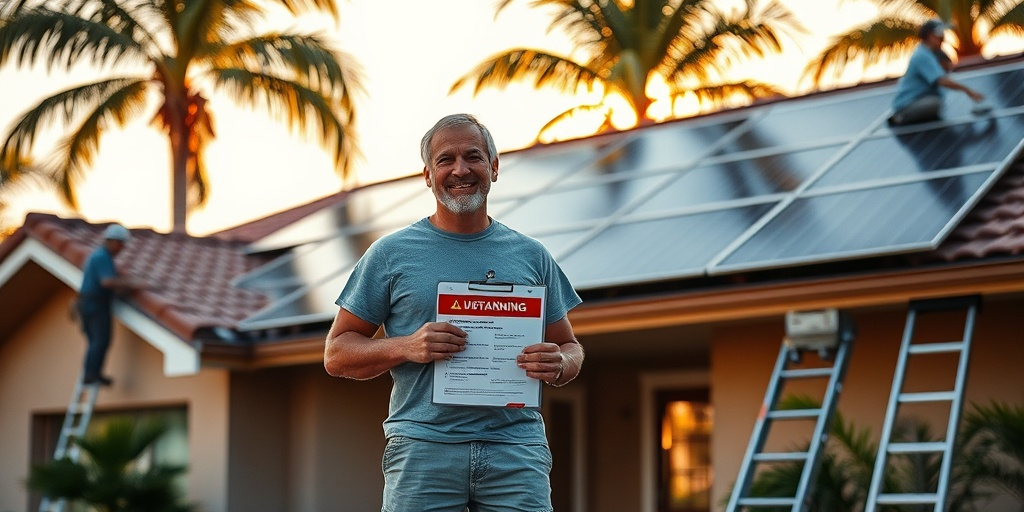
As we move toward 2025, the urgency of sustainable energy solutions becomes increasingly pronounced. Did you know that solar energy can potentially save Florida homeowners upwards of $20,000 over the lifespan of a solar system? Or that more than 36% of homes in Florida now utilize solar energy (SolarReviews.com)? In a state plagued by rising electric bills and grid instability, the importance of understanding solar panel lifespans cannot be overstated. It’s critical to comprehend the hidden challenges that may drain the efficiency of your investment—the very essence of our blog titled Warning: Don’t Overlook These Solar Panel Lifespan Issues.
With the implementation of new solar incentives and the growing threat of unpredictable weather patterns due to climate change, Florida homeowners and commercial property owners alike must be vigilant now more than ever. In 2025, understanding these lifespan issues will not just protect your investment; it will determine your energy independence.
This article will guide you through five essential sections:
1. A case study illustrating the real-world impact of lifespan issues.
2. A practical checklist you can follow to ensure the longevity of your solar panels.
3. Myth-busting common misconceptions surrounding solar panel efficiency.
4. A local focus that emphasizes statistical insights specific to Florida.
5. A deep dive into the technical aspects of solar technology and its implications.
Let’s illuminate these crucial issues together!
Don’t Let Solar Panel Lifespan Issues Dim Your Savings
Meet Jane, a Florida homeowner who took the plunge into solar energy two years ago. Enthusiastic about her purchase, she looked forward to slashing her high energy bills and contributing to a sustainable future. However, after just 18 months, Jane noticed her energy savings weren’t as significant as promised, and her panels were operating at about 80% efficiency. Distraught, she sought advice and discovered that she had been overlooking key solar panel lifespan issues that directly impacted her investment.
Jane’s case serves as a cautionary tale—one that reflects a broader trend in Florida’s residential solar market. According to data from the Solar Energy Industries Association, the average lifespan of solar panels is around 25-30 years, yet their efficiency may deteriorate sooner than expected due to several factors (SEIA.org). Here’s a checklist to consider, which Jane wishes she had reviewed before her installation:
- Step 1: Understand the quality of the solar panels and manufacturers.
- Step 2: Regular maintenance and cleaning of the solar panels should never be overlooked.
- Step 3: Monitor the performance and efficiency metrics consistently.
- Step 4: Be aware of warranty clauses that cover efficiency drops.
- Step 5: Assess the local weather conditions, as they can impact your system’s efficiency.
In a state like Florida, exposure to sunlight can work wonders for your solar panels, but the climate can also play a detrimental role. The Florida solar landscape is as vibrant as it is challenging. In 2022, more than 1.5 million solar panels were installed in the state, but not all will perform without issues over the years (Energy.gov).
Unfortunately, some homeowners buy into common misconceptions about solar panel technology. Let’s dispel these myths together!
Myth-Busting Common Misconceptions About Solar Lifespan
Myth #1: Solar panels last forever.
The truth is, while most panels come with a 25-year warranty, their efficiency declines over time and is influenced by environmental factors. Many lose around 0.5% of efficiency each year.
Myth #2: Higher wattage panels are always better.
Higher wattage might indicate better performance, but that’s not universally true. Quality and efficiency ratings should also factor heavily into your decisions.
Myth #3: Solar panels can’t work in cloudy or rainy weather.
While solar panels do require sunlight, they can still generate electricity on cloudy days; just remember that efficiency will be reduced.
Myth #4: You don’t need to maintain solar panels.
Maintenance is crucial. A build-up of dirt or debris can drastically lower solar panel efficiency (SolarReviews.com). Regular cleaning can extend lifespan significantly.
Myth #5: Once installed, solar panels require no monitoring.
Routine monitoring is essential to catch issues early. Homeowners can benefit from real-time metrics that ensure performance remains high.
Understanding these myths is crucial for Florida homeowners, who must navigate a landscape rife with misinformation. As we debunk these myths, it’s important to remember the commitment to solar power is as much a commitment to ongoing education about your system’s capabilities and limitations. Now let’s focus on how to best install your solar system.
5 Expert Solar Installation Tips for 2025
As a Florida homeowner, the path to a successful solar energy investment begins long before the actual installation. Here are five installation tips that can make or break your experience:
- Don’t skimp on panel placement: Optimal placement can enhance energy absorption. Position panels on rooftops that face south with minimal shading from trees and other structures.
- Invest in quality installation: Poor installation is a common cause of future complications. Always hire certified professionals who understand local codes and best practices.
- Choose the right inverter: The inverter converts sunlight into electricity and is integral to system efficiency. High-efficiency inverters can significantly boost solar savings.
- Understand local solar programs: Florida offers various incentives, including the Solar Energy System Tax Exemption. Leverage these while planning your solar system.
- Perform regular audits: Routine performance checks will help identify issues before they escalate. Keeping tabs on the energy output will ensure you’re getting what you paid for.
In 2025, the Florida solar market is expected to expand further, with current trends suggesting continued growth due to favorable policies and decreasing costs (SEIA.org). As such, staying one step ahead with the proper installation tips can significantly enhance your solar energy experience.
Next, let’s dive deeper into the idiosyncrasies of solar technology and its local implications.
Understanding Solar Technology: A Deep Dive
To successfully maximize your solar energy investment, it’s essential to understand the different components of a solar system and how environmental factors influence their performance. Panels, inverters, batteries, and the meters are the backbone of your system.
- Solar Panels: The heart of your solar system, solar panels convert sunlight into usable electricity. Their efficiency is crucial for energy generation; high-efficiency panels can yield more savings.
- Inverters: Convert direct current (DC) produced by solar panels into alternating current (AC) for household use. The inverter’s efficiency impacts overall system performance—choose wisely.
- Batteries: Energy storage systems can help you save excess energy for later use, especially during Florida’s peak sun hours. They provide a layer of safety against outages.
- Monitoring Systems: Nowadays, many systems come equipped with monitoring to provide insights into energy production and consumption. This data can help you identify trends and maintenance needs.
Florida’s climate presents both challenges and opportunities for solar technology. With an average of 260 sunny days per year, you can generate considerable energy, but high humidity can impact the longevity of your system. Maintenance is not merely optional; it is essential to extend the efficiency and lifespan of your solar investment (SolarReviews.com). As we near the conclusion of this guide, let’s look at actionable steps you can implement for success.
Next Steps for Florida Solar Buyers in 2025
When considering the switch to solar, it’s crucial to have an actionable plan that minimizes friction along the way. Here’s a straightforward checklist to ensure you’re prepared for this solar journey:
- Step 1: Audit Your Electric Bill: Review your electric bill to understand how much energy you consume versus what your potential solar system can produce.
- Step 2: Research Local Installers: Seek qualified installers with experience specific to Florida’s weather patterns and regulations. Ask for references and read reviews.
- Step 3: Determine Financing Options: Explore various financing solutions, including solar loans, leases, and power purchase agreements (PPAs). Each has unique benefits.
- Step 4: Consult Local Incentives: Research and understand the incentives available, such as Florida’s net metering policies and tax rebates, to maximize your investment.
- Step 5: Schedule an Installation Date: Coordinate with your chosen installer to pick a timeline that aligns with your budget, as well as peak sunshine months.
By following these steps, you can navigate the solar buying process more smoothly and ensure that you are making an informed investment. Remember that every decision, from which panels to choose to how you finance your installation, shapes the outcome of your solar journey. For more information, visit floridaelectricandsolar.com to explore how solar can benefit you.
Conclusion
In conclusion, understanding the nuances of solar panel lifespans is integral to making an informed decision about your investment. From real-life stories like Jane’s to actionable steps you can take today, this blog has equipped you with knowledge that will catapult you toward a more sustainable, energy-efficient future. With the rising energy costs and the increasing demand for solar solutions in Florida, there’s never been a better time to take action.
The importance of understanding solar panel lifespan issues cannot be understated; they have a direct impact on your financial savings, energy independence, and the efficiency of your investment. Ignoring these issues could cost you in the long run and jeopardize the benefits solar power has to offer.
Ready to start your solar journey in 2025? Connect with a certified expert at floridaelectricandsolar.com today.
Related Articles
More insights about Solar Panel

Florida Homeowners: Why Solar Panel Maintenance Is Essential

7 Essential Steps for Solar Panel Installation Success

Expert Insights: Key Factors Influencing Solar Panel Lifespan
Ready to Go Solar?
Have questions about solar energy? Our experts are here to help you make the switch to clean, renewable energy.