
Warning: Don’t Ignore Critical Solar Panel Maintenance Needs
Share:
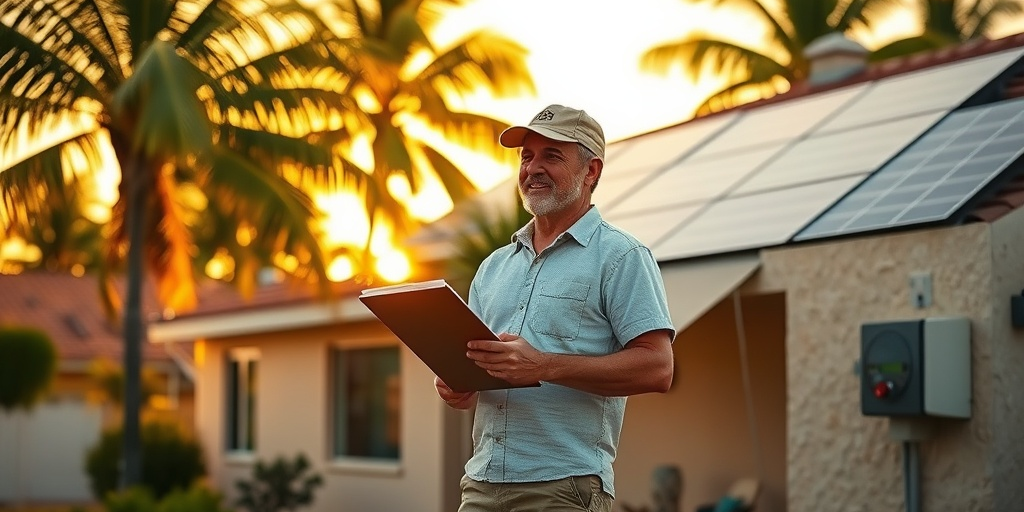
Warning: Don’t Ignore Critical Solar Panel Maintenance Needs. In a world that’s becoming increasingly reliant on renewable energy, the advent of solar power has sparked a remarkable transformation in how homeowners and businesses operate. But did you know that neglecting proper solar panel maintenance could cost you dearly? On average, solar panels can lose 20% or more of their efficiency without proper care (Energy.gov). Furthermore, a staggering percentage of homeowners are unaware that regular maintenance can significantly affect their savings—an estimated $30 billion is lost annually due to overlooked solar panel upkeep (SolarReviews.com). As we enter 2025, understanding and addressing these critical maintenance needs has never been more pressing; rising energy costs and new solar incentives make it essential to protect your investment. In this article, we will explore five key sections to guide you: a deep dive into maintenance necessity through a compelling case study, a practical checklist for solar care, myth-busting common misconceptions, a local focus on Florida’s unique landscape, and a technical analysis that breaks down the components involved in maintaining your solar system.
Why Solar Panel Maintenance is Not Just an Option but a Necessity
Let’s consider a story that resonates with many Florida homeowners. Meet Jane, a vibrant resident of Orlando, who decided to invest in solar panels two years ago. Excited by the prospect of slashing her electric bills, she embraced the solar energy revolution. However, Jane was among the many who believed the myth: “Once the panels are installed, there’s nothing more to do.” Fast forward to today, Jane has been frustrated by unexpectedly high utility bills that seem to have erased her initial savings. With so many factors influencing solar performance, it’s critical for both homeowners and businesses to understand the importance of diligent maintenance.
Case Study: Jane’s Journey
Jane’s journey serves as a cautionary tale. After her solar installation, she was ecstatic, expecting her energy costs to plummet. However, without regular cleanings and assessments, her panels accumulated grime and debris, hindering energy absorption. By the time she sought assistance, her savings were diminished, and her system had suffered substantial efficiency loss. According to the National Renewable Energy Laboratory, even minimal neglect can contribute to a decline in output, making it crucial for owners to stay vigilant (NREL.gov).
To avoid Jane’s missteps, here’s a maintenance checklist homeowners and business owners can follow:
- Step 1: Inspect Panels Regularly: Schedule quarterly visual checks to look for dirt, debris, or damage.
- Step 2: Clean Panels: Ensure your panels are cleaned at least twice a year, or more frequently if you live in a dusty area.
- Step 3: Monitor Performance: Utilize monitoring systems to oversee energy production and catch abnormalities early.
- Step 4: Consult Professionals: Have a certified technician perform annual maintenance checks, ensuring optimal performance.
- Step 5: Review Invoices: Regularly check utility bills to monitor changes in energy consumption or costs.
These steps aren’t random; they’re mission-critical to preserving your investment. But let’s address a few common myths surrounding solar panel maintenance that can lead homeowners like Jane astray.
- Myth #1: “Solar panels don’t need maintenance.” This is false—panels require regular upkeep to ensure optimal performance. Even without visible dirt, pollen and other residues can accumulate, diminishing energy absorption.
- Myth #2: “Only professionals can clean my solar panels.” While professionals do provide thorough services, homeowners can safely clean their panels too, using simple techniques like rinsing with water.
- Myth #3: “Once I go solar, my electric bills will drop to zero.” While solar energy reduces costs, many factors influence your expenses, like household changes and energy usage patterns.
- Myth #4: “Installation is the last investment.” In reality, maintenance is an ongoing investment that can affect your long-term savings.
- Myth #5: “Solar panels are infallible.” Like any technology, solar systems can experience issues such as equipment failure or inefficient operation due to lack of maintenance.
The unique climate and weather conditions in Florida also make routine maintenance essential. With frequent storms and hurricanes, debris can accumulate quickly or potentially damage your panels. According to the Florida Solar Energy Center, maintaining your solar system is vital as it contributes to system longevity and performance (FSEC). For homeowners and business owners keen on maximizing their investments, a regular maintenance schedule is a must.
By understanding Jane’s story and proactively addressing the critical needs for solar panel maintenance, Florida residents can protect their investments while enjoying the benefits of clean energy. In the next section, we will delve deeper into specific maintenance best practices tailored to Florida homeowners.
Top Maintenance Practices for Florida Homeowners
Effective maintenance is essential if you want to prolong your solar panels’ lifespan and maximize their productivity. Here are some best practices specifically designed for Florida’s unique environmental conditions:
- Regular Inspections: Whether you do them yourself or hire professionals, regular inspections can be the difference between minor repairs and costly replacements. Aim for assessments that consider Florida’s intense sun, storm debris, and high humidity.
- Cleaning Frequency: With Florida’s subtropical weather, ensuring your panels are kept clean is vital. Depending on your location, cleaning every 3-6 months can boost efficiency considerably. Rain does not suffice as a cleaning method; debris, dust, and pollen can hinder absorption.
- Performance Monitoring: Make use of technology—many solar systems come with monitoring applications or devices. Monitoring your energy output helps identify issues and optimize performance. If you notice a significant drop, consider investigating with a local technician.
- Trim Surrounding Plant Life: In a sunny state like Florida, foliage can quickly grow and obstruct your solar panels. Trim surrounding trees and bushes regularly to ensure they do not diminish sunlight access.
As we discuss the importance of these practices, it’s important to note that 22.5% of Florida’s solar systems underperform due to poor maintenance, which can lead to increased energy costs over time (SolarReviews.com). Therefore, adopting these practices can directly impact your bottom line.
Furthermore, it’s crucial to consider floridaelectricandsolar.com as a reliable resource for both residential and commercial solar maintenance options. By choosing a certified team to manage and guide your maintenance journey, you unleash the full potential of your solar energy system.
In our next section, we’ll break down some of the latest data about solar energy, further emphasizing why ongoing maintenance is key to performance. Let’s take a closer look.
The Data Behind Solar Maintenance Needs
Understanding data-driven insights about the solar energy landscape can highlight the importance of regular maintenance. Recent studies show that leaky panels, corrosion, and string failures have been increasingly reported among Florida’s solar system users.
- Increased Maintenance Needs: Florida’s high humidity exposes panels to challenges like water intrusion and mold buildup, which leads to higher maintenance requirements compared to drier climates.
- Efficiency Loss: The majority of Florida homeowners experience a noticeable decline in energy output—approximately 25%—if proper maintenance is neglected (SEIA.org).
- Operational Costs: With inefficient systems, owners can find themselves paying an additional $200-$400 annually on utility bills than if systems were maintained efficiently (Energy.gov).
Based on these statistics, homeowners who engage in routine maintenance can optimize energy efficiency while minimizing utility bills. The implications stretch beyond just economic considerations; regular upkeep contributes to the longevity and overall sustainability of solar energy use across Florida.
As we explore the technical aspects of solar maintenance, it’s worth noting that maintaining your solar array can involve understanding how specific components function. Solar panels, inverters, and batteries all require their own unique care protocols. Equip yourself with knowledge, and you’ll be empowered to extend the lifespan and effectiveness of your system.
Technical Deep-Dive into Solar Maintenance
Let’s investigate a few technical aspects of solar maintenance to further emphasize the importance of responsible ownership:
- Solar Panels: Regular checks for physical damage, such as cracks in the panel surface or a disarray of wiring, are essential. Make sure that panels are free from obstructions and that connections remain intact.
- Inverters: These critical components convert solar energy into usable electricity. Keep them free from dust and ensure they are functioning properly by regularly checking their performance lights and conducting annual inspections.
- Battery Systems: If you have energy storage systems, regular testing and analysis will help determine if they retain charges adequately. Many battery systems require maintenance every 6-12 months to optimize performance.
Understanding the dynamics of your solar energy system components allows for informed decision-making and maintenance strategies. It’s conceivable that Florida’s rising electricity costs could make proper care even more crucial; those who neglect it can risk high operational costs and reduced savings (SolarReviews.com).
With the evidence mounting, it’s clear that responsible solar maintenance yields monetary and environmental benefits. Strategies developed from data-informed practices provide pathways to optimize your investment. Next, we’ll discuss actionable next steps specifically tailored for Florida homeowners as they embark on their solar journey.
Next Steps for Florida Solar Buyers in 2025
Taking action is critical for aligning your solar goals with maintenance strategies. Here’s a comprehensive action plan to ensure you’re making the most out of your solar system in 2025:
- Step 1: Audit Your Electric Bill – Start by reviewing recent utility bills to track energy consumption. Establish patterns and consider how solar energy can reshape your costs.
- Step 2: Schedule Regular Maintenance – Connect with a certified technician to ensure that your solar system can operate at optimal efficiency. Annual check-ups are vital to catch potential issues before they escalate.
- Step 3: Invest in Monitoring Technology – Utilize monitoring systems or apps designed to report energy production. Tracking real-time performance can uncover inconsistencies to tackle promptly.
- Step 4: Join a Florida Solar Community – Engage with local groups or forums to share experiences, advice, and best practices for solar maintenance in Florida’s unique environment.
- Step 5: Stay Updated on Policy Changes – Keep abreast of new policies, rebates, and incentives related to solar energy; such information can impact your financial decision-making.
Your investment in solar energy deserves careful attention, especially in Florida, where solar potential remains significant. These steps will help keep your solar experience positive and fruitful as energy costs fluctuate and sustainable practices become more critical.
For more details and professional advice tailored to your personal solar journey, consider visiting floridaelectricandsolar.com to connect with certified professionals in your area.
Conclusion: Your Solar Future Matters
In summary, Warning: Don’t Ignore Critical Solar Panel Maintenance Needs serves as a vital reminder for Florida homeowners and businesses. Remember Jane’s story? It underscores the importance of diligent upkeep to safeguard investments into solar power. Rising operational costs stress the necessity for an urgent reevaluation of maintenance systems as we head into 2025.
Successful solar energy systems require more than just installation; they demand consistent attention and care to yield the maximum benefits. The journey of owning solar power is one filled with opportunity, but it comes with responsibilities that should not go overlooked. With proper maintenance, you can enjoy substantial savings on utility bills, increased energy efficiency, and the pride of harnessing clean energy.
As you stand on the brink of your solar future, consider the financial, environmental, and personal gains. Are you ready to take the next step? Connect with a certified expert at floridaelectricandsolar.com today to embark on your solar journey in 2025!
Related Articles
More insights about Solar Panel

Florida Homeowners: Why Solar Panel Maintenance Is Essential

7 Essential Steps for Solar Panel Installation Success

Expert Insights: Key Factors Influencing Solar Panel Lifespan
Ready to Go Solar?
Have questions about solar energy? Our experts are here to help you make the switch to clean, renewable energy.