
Warning: Avoid These Common Solar Panel Installation Mistakes
Share:
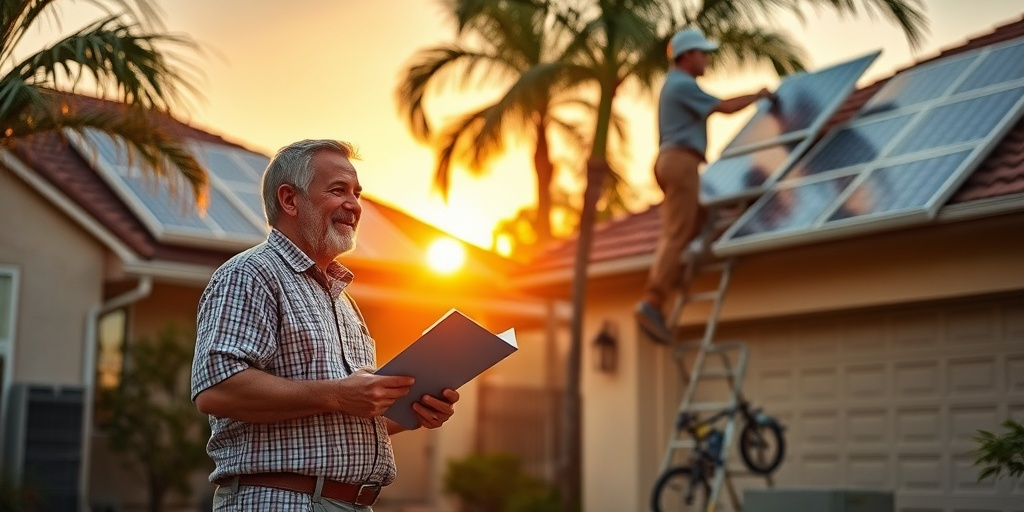
As we march toward 2025, the urgency for homeowners and commercial property owners in Florida to consider solar energy has never been more pronounced. Studies indicate that by 2025, energy costs are projected to rise by an astonishing 20% in the Sunshine State, making efficient energy solutions not just smart, but necessary (SEIA.org). Yet, as eager as you may be to jump into the world of solar power, there are significant pitfalls that can derail your journey. That’s why we’re diving into our article titled, “Warning: Avoid These Common Solar Panel Installation Mistakes.” Many Florida residents are unaware that seemingly minor missteps during the setup phase can accumulate into monetary losses and efficiency setbacks. In fact, studies have shown that proper solar installation can lead to savings of over $30,000 for Florida homeowners over a 25-year span when executed flawlessly (SolarReviews.com). With the new financial incentives and rebates on the horizon, there’s no better time to get educated about what pitfalls to avoid in your solar journey. In the following sections, we’ll explore five critical aspects: a realistic case study that showcases common installation blunders, a comprehensive checklist for potential solar buyers, widespread myths that beg to be debunked, a local perspective that tailors our discussion to Florida residents, and a technical deep dive into the industry that you’ll want to know. The path to solar energy is paved with knowledge, and we are here to equip you for a successful installation.
Understanding the Risks: A Case Study in Florida Solar Installation
Meet Sarah and David, a couple who were excited to embrace renewable energy by installing solar panels on their charming Florida home. Eager to cut their electric bills and contribute to environmental conservation, they blindly followed a popular installer suggested by a friend. What they didn’t know were the looming mistakes that would follow—a cautionary tale for many Florida homeowners.
Initially, Sarah and David felt elated when their panels were installed within a week. However, joy quickly turned to concern when they noticed inconsistent energy generation and an unanticipated rise in their electric bills. After consulting with another solar provider, the couple discovered that improper installation, including incorrect panel angles and subpar inverter choices, was the root cause of their issues. A year later, they were forced to spend thousands on repairs, shattering their financial expectations and diminishing the thrill of their solar investment.
This story isn’t unique. Across Florida, over 30% of solar installations fall short due to common mishaps like these, causing irreversible mistakes that can hinder efficient energy conversion and savings (Energy.gov). To avoid becoming another victim, consider the following checklist that will steer your installation process toward success.
Your Essential Solar Installation Checklist
A well-structured approach can mitigate the risks associated with solar panel installations. Here’s your actionable checklist to ensure a successful solar journey:
- Step 1: Research Your Installer
- Step 2: Evaluate Your Home’s Energy Needs
- Step 3: Consider System Orientation
- Step 4: Investigate Incentives and Tax Benefits
- Step 5: Don’t Skip the Contract Fine Print
Not all solar companies are created equal. Look for testimonials, real reviews, and state certifications to make an informed decision based on solid groundwork.
Conduct an energy audit to understand your consumption patterns. Know your electric bill before consulting providers to ensure your system is appropriately sized.
Optimal panel placement significantly impacts energy gain. Ensure panels face the right direction and angle to capture maximum sunlight throughout the day. Florida’s abundant sunshine is an asset—utilize it wisely!
Florida offers enticing programs that can significantly reduce your initial costs. Familiarize yourself with the Federal Solar Tax Credit and any local rebates available to lower your investment burden.
Scrutinize contracts thoroughly. Pay attention to hidden fees, warranties, and service agreements. Ensure you fully understand the terms and avoid costly surprises down the line.
The best installations are premeditated and intentional. Knowing what to look out for makes all the difference in adopting solar energy successfully. For more comprehensive assistance and tailored advice, connect with us at floridaelectricandsolar.com.
Dispelling Solar Myths: What You Really Need to Know
As you tread into the world of solar, you’ll encounter myths that can cloud your judgment. Let’s explore some common misconceptions and set the record straight:
- Myth #1: Solar Panels Don’t Work on Cloudy Days
- Myth #2: Solar Energy is Too Expensive
- Myth #3: My Roof Isn’t Suitable for Solar
- Myth #4: Solar Energy Only Works in Certain States
- Myth #5: You Don’t Need Batteries With Solar
Many believe that solar panels require direct sunlight to operate effectively, but this isn’t entirely true. Solar panels can still generate power on cloudy days, although at reduced efficiency. Florida’s sun is abundant; even indirect sunlight can yield energy.
A common fear is the high upfront cost. However, when you account for tax credits, state incentives, and the long-term savings on utility bills, solar installations have become increasingly affordable. A recent report indicated that solar installation costs dropped 89% over the past decade (SEIA.org).
While it’s true that not all roofs are ideal for solar panels, roofing configurations can often be adapted. Consult with a professional for solutions tailored to your unique situation, rather than dismissing the idea outright.
This misconception overlooks Florida’s “Sunshine State” title. With high solar potential and favorable policies, the state is a prime location for residential solar power. Consistent state initiatives favor the growth of solar energy.
While it’s true that battery systems add to the initial investment, they provide peace of mind and backup during outages. Given Florida’s weather patterns, having a reliable energy source can be invaluable.
In debunking these myths, Florida homeowners can approach solar power with confidence and clarity. Arming yourself with true information will empower you to make informed decisions for your investment. For more educational resources, visit floridaelectricandsolar.com.
5 Expert Solar Installation Tips for 2025
While you become more informed about the installation process, consider the following expert tips to optimize your solar energy journey:
- Panel Positioning Matters
- Invest in Quality Equipment
- Consult Local Regulations
- Communication is Key
- Future-Proof Your Investment
Ensure your solar panels are positioned to maximize sun exposure—this includes taking into account the angle and tilt for optimum performance.
Don’t skimp on your inverter or batteries. Quality components can make a considerable difference in efficiency and longevity.
Understanding zoning laws and regulations in your area can save time and potential legal headaches down the road.
Maintain an open line of communication with your installer. Discuss concerns early and ensure you’re informed throughout the installation process.
Select equipment that allows for scalability. As technology improves, having the ability to expand your system will enhance your investment’s viability.
These tips highlight the importance of diligence in your solar journey, whether you’re an experienced energy savant or just getting started. For more expert insights, connect with us at floridaelectricandsolar.com.
A Homeowner’s Solar Journey: Realizing the Dream
Let’s take a deep dive into the journey of Mark, a Florida homeowner whose experience can serve as a blueprint for navigating solar energy correctly. With dreams of reducing his electric bill and his carbon footprint, Mark began researching solar options for his quaint beachside home. Eager but cautious, he sought detailed information and conducted thorough comparisons of several installers, including past customer reviews.
- Mark began with an energy audit, allowing him to project his potential savings accurately.
- After numerous consultations, he selected a highly-rated local installer who prioritized quality and transparency.
- Before installation, they received quotes and analyses that matched his energy needs.
- The installation went smoothly, enforced with clear communication at every step, ensuring Mark was never left in the dark.
Three months post-installation, Mark was delighted to find his electric bill slashed by over 50%, and he couldn’t be happier with the outcome. His diligent preparation not only enhanced his home’s value but also provided a crisis-proof energy solution, illustrating that proactive planning can yield rich rewards.
This case study showcases that thoughtful planning and informed decision-making are crucial. When looking at solar energy options, remember that the process isn’t just about installation; it’s about embarking on a journey towards energy independence. So, explore the available options and take informed steps to realize your dream.
Next Steps for Florida Solar Buyers in 2025
To prepare for your investment in solar energy, refer to this actionable next steps guide:
- Step 1: Audit Your Electric Bill
- Step 2: Consult Multiple Solar Companies
- Step 3: Explore Financial Options
- Step 4: Schedule Your Installation
- Step 5: Monitor Your System
Know your current energy consumption to better understand your needs and savings potential.
Don’t settle for the first offer. Speaking with multiple solar installers can provide competitive offers and varying insights.
Aside from upfront costs, inquire about financing options and rebates to lighten the load.
When you feel equipped, schedule your installation with an installer you trust—transparency and communication are key.
Following installation, keep track of performance and energy savings through online monitoring tools.
Being proactive throughout these steps will dramatically reduce the likelihood of pitfalls when transitioning to solar. And remember, floridaelectricandsolar.com is always here to guide and support you through the process.
Conclusion
As we reflect on the journey of solar energy implementation, consider the critical checkpoints we’ve covered. From understanding the risks through real-life stories to dispelling myths and offering actionable steps, we’ve armed you with knowledge for your successful transition to solar power.
Your decision to embrace renewable energy is one that impacts not just your finances but also the environment and future generations. Picture your home using sunlight to power your life while you contribute to a cleaner planet—it doesn’t get much better than that.
As you contemplate this important investment, keep your objectives clear: efficiency, savings, and sustainability. With the increase in utility costs and the promising financial incentives headed our way, 2025 is shaping up to be a pivotal year for homeowners considering solar energy. Ready to start your solar journey in 2025? Connect with a certified expert at floridaelectricandsolar.com today.
Related Articles
More insights about Solar Panel

Florida Homeowners: Why Solar Panel Maintenance Is Essential

7 Essential Steps for Solar Panel Installation Success

Expert Insights: Key Factors Influencing Solar Panel Lifespan
Ready to Go Solar?
Have questions about solar energy? Our experts are here to help you make the switch to clean, renewable energy.