
Warning: Don’t Ignore These Solar Panel Installation Mistakes
Share:
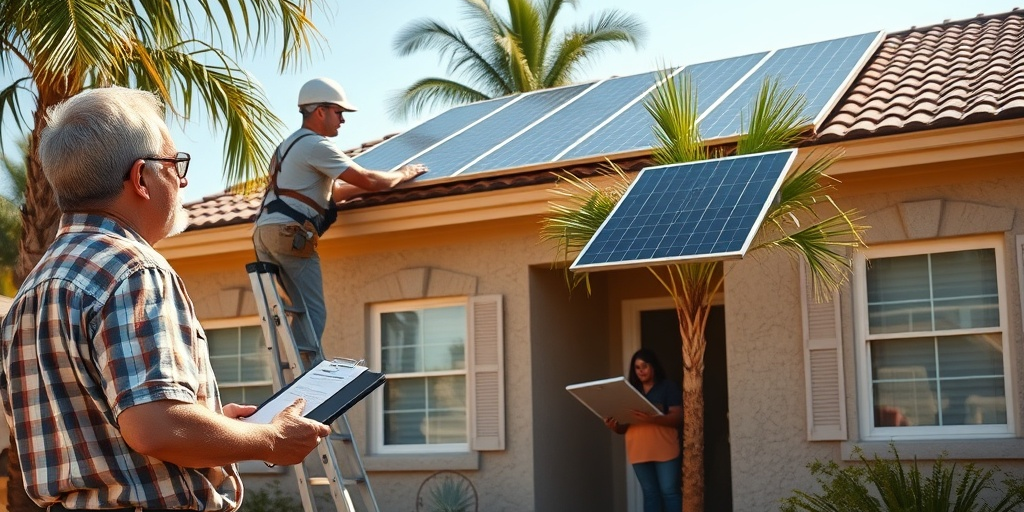
Warning: Don’t Ignore These Solar Panel Installation Mistakes. As the sun rises over the beautiful state of Florida, it shines a light on an undeniable truth: solar energy is the future of power. In fact, more than 20% of Florida’s electricity is now generated from solar sources, according to the Solar Energy Industries Association (SEIA.org). But amidst this bright horizon, many homeowners mistakenly think that simply choosing to go solar is enough. Did you know that nearly 30% of solar installations lead to costly missteps that owners later regret? These errors can derail the expected savings and benefits of solar power. This blog is particularly urgent as 2025 approaches, bringing new incentives and rising energy prices. Florida homeowners need to be aware of potential pitfalls when installing solar panels to ensure they make the most out of their investment.
In this article, we will explore common mistakes in solar panel installation and how to avoid them. You’ll learn through five crucial sections:
1. **Case Studies** of Florida homeowners who faced challenges and how they overcame them.
2. A **Checklist of commonly overlooked installation steps** to ensure a smooth process.
3. **Myth-busters** that will dispel misconceptions surrounding solar installations.
4. A **Local Focus** on Florida-specific statistics and policies impacting solar installations.
5. A **Technical Deep Dive** into the components of solar systems and their implications on your home.
By the end of this journey, you’d not only be informed but equipped to make the most of your solar power potential in Florida.
Don’t Let These Common Mistakes Derail Your Solar Journey
Imagine Maria and John, a couple residing in Orlando, Florida. Excited by the prospect of going solar, they signed a contract with a local installer without doing their homework. Enthusiastic about saving on utility bills and contributing to the environment, they skipped key steps that resulted in a system failure that cost them thousands. A case like this underscores the importance of avoiding common solar panel installation mistakes. In this section, we’ll examine their story, pinpoint the key missteps, and provide a checklist to guide you through the installation.
Step 1: **Research Your Installer**
It may be tempting to go for the first installer that comes your way. However, it’s crucial to check reviews, ask for references, and verify whether they are certified by the North American Board of Certified Energy Practitioners (NABCEP). According to SolarReviews.com, more than 70% of homeowners see enhanced customer service simply by selecting a certified installer.
Step 2: **Inquire About Permits and Local Regulations**
In Florida, obtaining the right permits is essential. Different municipalities have varying regulations. You’ll want your panel system to comply with local codes to avoid fines or forced removal.
Step 3: **Assess Your Roof’s Condition**
Ensure your roof is in good shape before installing solar panels. If your roof needs repair, it’s a waste of time and money to install panels first. Research indicates that nearly 25% of homeowners fail to address this aspect, resulting in additional costs after installation (Energy.gov).
Step 4: **Set Realistic Goals**
Communicate openly with your installer about how much energy you want to generate and your budget. Realistic expectations can lead to a smoother installation process. Many Florida homeowners underestimate their energy needs at first.
Step 5: **Understand Your Financing Options**
Believe it or not, financing can significantly affect your overall savings. Don’t just go for the lowest monthly payment. Evaluate incentivizing programs available in Florida such as the Property Assessed Clean Energy (PACE) program, which can offer substantial financial relief.
Having identified these key steps in Maria and John’s story, it is vital to highlight that installers play a significant role in the success of your system. Choosing a reputable contractor can make a world of difference in your solar journey, ensuring you maximize solar savings while avoiding costly mistakes.
Myths Surrounding Solar Panel Installation: What You Need to Know
Many Florida homeowners have misconceptions regarding solar technologies. Let’s bust a few prevalent myths that sometimes mislead potential solar buyers.
Myth #1: Solar Power is Too Expensive.
While solar power comes with upfront costs, the long-term savings on utility bills can offset this investment. With decreasing installation costs—around 40% lowered from 2014 (SEIA.org)—it’s becoming increasingly affordable.
Myth #2: Solar Panels Don’t Work on Cloudy Days.
Although some energy generation diminishes on cloudy days, solar panels can still produce significant power thanks to diffuse sunlight. In fact, many states with lower sunlight levels still see high solar adoption rates.
Myth #3: You Need Direct Sunlight for Solar Systems to Work Efficiently.
This myth is a common misconception. Solar panels are engineered to harness light, generating electricity even under indirect sunlight. Florida ranks as one of the states with the most optimal conditions for solar, ensuring effective energy production.
Myth #4: Installing Solar Panels Will Hurt My Roof.
Quality installation shouldn’t damage your roof; in fact, it can help prolong its lifespan. Installing solar panels with experienced contractors will ensure proper techniques are applied to avoid any issues.
Myth #5: You Can’t Install Solar if You Plan on Moving.
Solar systems can increase property values, making your home more attractive to buyers. Alternatively, many systems are transferable, allowing the new homeowners to benefit from solar energy, ultimately amplifying the appeal of your home at resale.
Next, let’s explore how these misconceptions can impact your decision-making in Florida specifically, where the environment and regulations can evolve rapidly.
Local Dynamics: Florida Solar Data that Matters
As a homeowner in Florida, understanding localized solar dynamics is critical. The state is recognized for its year-round sun and substantial solar incentives to promote household solar adoption.
- Sunshine State Brilliance: Florida ranks second in the nation for installed solar capacity, contributing significantly to clean energy goals. More than 140,000 households are already reaping the benefits of solar energy in the state.
- Utility Power Purchase Agreements (PPA): This popular financing method allows residents to install solar panels with little or no upfront costs, paying based on generated energy alone.
- Net Metering Advantage: Florida actively supports net metering, meaning homeowners can receive credits on their utility bills for excess energy their systems produce and feed back into the grid.
- Resilience Against Rising Costs: As traditional energy prices rise, going solar provides a hedge against soaring energy costs. In 2025, severe price fluctuations are predicted, making solar even more appealing.
By paying attention to local dynamics, you can align your solar installation strategy optimally for your home and neighborhood.
5 Expert Solar Installation Tips for 2025
As we gear up for 2025, it’s crucial to stay ahead of the game when it comes to solar installation. Prepare yourself with these five expert tips that can amplify your solar experience and enhance savings from start to finish.
Tip #1: Focus on Quality Over Price.
Choosing the cheapest option is tempting; however, inferior materials result in less efficiency and increased long-term costs. Investing in top-tier brands ensures durability and reliability of your solar panels.
Tip #2: Optimize Panel Placement.
Strategic placement maximizes sun exposure throughout the day. Depending on your roof’s orientation, panels should ideally face south for optimal performance. Some Florida homeowners underutilize roof space by not considering shading factors.
Tip #3: Regular Maintenance is Key.
Keep panels clean and unobstructed to operate efficiently. Scheduling routine inspections can prevent potential issues, especially after storms or heavy winds. Ensure your installer provides ongoing support.
Tip #4: Use Energy Storage Wisely.
Batteries can store surplus energy, allowing for its use during less optimal sunlight hours. Moreover, they can serve as a backup source during grid outages, enhancing energy independence significantly.
Tip #5: Educate Yourself on Local Laws and Incentives.
Understanding the local landscape influences benefits significantly. Be sure to review and apply for relevant tax credits, rebates, and permit requirements unique to Florida’s policies. Stay informed through floridaelectricandsolar.com, which helps navigate through various programs.
Next Steps for Florida Solar Buyers in 2025
It’s clear that the road to solar power can be tumultuous, but taking the right steps can help secure a bright future. As a Florida homeowner, following these steps will guide you toward a smooth solar installation:
Step 1: Audit Your Electric Bill.
Evaluate your consumption to determine how much energy you truly need. Take advantage of online calculators or speak to your installer for precise assessments.
Step 2: Research and Consult with Different Installers.
Engage with at least three certified companies in your area. Ask questions regarding their installation methods, warranties, and financing options.
Step 3: Investigate Financial Options.
Explore financing options, including leases, PPAs, and cash payments. Assess which option meets your financial needs while maximizing your savings.
Step 4: Review Testimonials and Case Studies.
Learn from others who have gone solar. Their experiences will help you better understand potential challenges and how to navigate them efficiently.
Step 5: Contact Local Experts.
For a guiding hand through the logistics of solar energy, connect with professionals who can steer you through installing the best system for your home. Visit floridaelectricandsolar.com for certified assistance!
In conclusion, avoiding common pitfalls in solar panel installation will put you on the path to energy independence and unprecedented savings. As you finish reviewing these essential elements, keep in mind the urgency of making informed decisions, especially as cost considerations become paramount in 2025. Be proactive— your family, home, and future generations depend on making the right choice today.
Ready to start your solar journey in 2025? Connect with a certified expert at floridaelectricandsolar.com today.
Related Articles
More insights about Solar Panel

Florida Homeowners: Why Solar Panel Maintenance Is Essential

7 Essential Steps for Solar Panel Installation Success

Expert Insights: Key Factors Influencing Solar Panel Lifespan
Ready to Go Solar?
Have questions about solar energy? Our experts are here to help you make the switch to clean, renewable energy.