
Critical Alerts: Don’t Fall for These Solar Scams to Avoid
Share:
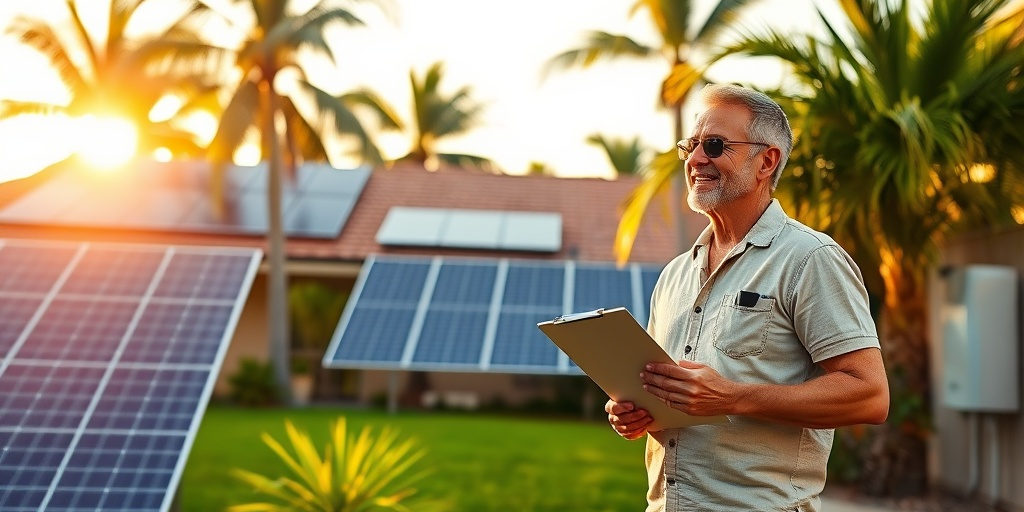
As the sun relentlessly shines down on the vibrant landscapes of Florida, more homeowners and business owners are considering the switch to solar energy—an exciting and laudable endeavor that promises greater control over energy costs and a lighter environmental footprint. However, as interest in this clean energy solution grows, so does the potential for deception. In this critical moment, we present our article titled, Critical Alerts: Don’t Fall for These Solar Scams to Avoid. In 2023 alone, the Solar Energy Industries Association (SEIA) reported that solar capacity in the U.S. hit an impressive 145 gigawatts, growing by 20% compared to the previous year (SEIA.org). Yet, with this rapid expansion comes an alarming trend: the proliferation of scams aimed at confusing Florida homeowners who are eager to invest in solar energy. It is essential to navigate these waters carefully as we head towards 2025, a year where incentives for solar installations may seem too good to be true and rising utility rates could lure many into questionable agreements. This awareness is crucial not just to protect your investment but also to ensure that the savings you seek from solar energy genuinely materialize. When considering the shift towards solar, there are five key sections to keep in mind that will equip you to make informed decisions: the myth-busting reality of solar scams, essential tips for installation, best practices for securing your investment, narratives of real-life solar journeys, and actionable next steps for potential buyers.
Understanding Solar Scams: Protect Yourself from Deceptive Practices
Solar scams are particularly sinister as they take advantage of a homeowner’s desire to save money and become environmentally sustainable. Meet Sarah, a resident of Tampa, who believed she was making a wise investment when she opted for a high-performance solar system from a company that marketed heavily on social media. Initially excited about her potential savings, Sarah was shocked to discover that the promised energy reduction never came to fruition. After weeks of troubleshooting with her solar provider, Sarah learned she had been sold an overpriced system with subpar equipment, leaving her stuck with high energy bills despite her investment in solar. Unfortunately, Sarah’s story is not unique—in fact, 60% of Florida homeowners cite poor customer service among their top complaints regarding their solar installation (SolarReviews.com).
When venturing into the solar market, be vigilant with these five checklist items:
- Verify Credentials: Ensure the installation company is licensed and has a good rating with the Better Business Bureau (BBB).
- Seek Transparency: Demand clear pricing structures and verify what equipment is included in your quote.
- Read Reviews: Research the experiences of past customers on websites like SolarReviews.com.
- Understand the Contract: Read the fine print carefully; look for hidden fees or convoluted terms that could lead to misunderstandings.
- Consult Local Experts: Engage with reputable sources such as floridaelectricandsolar.com to glean insights about trusted providers in your area.
Now, let’s touch on some widely held misconceptions that may sway your judgment towards deception.
Common Myths About Solar Energy: Facts vs. Fiction
Beliefs around solar energy tend to run wild, especially as misinformation spreads across social media and blogs. To avoid falling victim to the hype, it’s critical to bust these myths with verifiable facts. Myth #1: Solar panels are too expensive and provide no return on investment. The truth is that, according to the National Renewable Energy Laboratory, solar panel installation costs have decreased by 82% since 2010 and can actually lead to savings of $20,000 or more over 20 years (NREL.gov).
Myth #2: Solar energy works only for sunny, warm places. In reality, modern solar panels can generate energy on cloudy days as well—a fact that many Florida homeowners might be surprised to learn.
Myth #3: You can save money by installing solar without permits. This is a dangerous misconception; professional installations require building permits and inspections to ensure safety and compliance with state regulations.
Myth #4: All solar panels perform the same. There are vast differences in quality, efficiency, and warranty support among manufacturers. Taking time to compare your options accurately is crucial.
Lastly, Myth #5: Solar power is not reliable. While initial setups can face challenges, solar energy management systems and battery storage have evolved to provide reliable energy even during outages.
Now that we’ve debunked some myths, let’s examine Florida-specific elements that can bolster or hinder your solar investment.
Florida-Specific Insights for Solar Installers
Florida is often heralded as the sunshine state, making it an ideal location for solar energy adoption; however, this does not mean every installation is straightforward. For starters, current and upcoming policies greatly shape how solar energy systems are adopted here, making it vital to understand local laws. For example, the Florida Public Service Commission (PSC) has implemented measures to enhance net metering policies, allowing solar users to receive credit for excess energy sent back to the grid (Florida PSC). This is an advantage for solar homeowners looking to maximize profits.
Here’s a list of vital components to assess before your solar installation:
- Incentives and Rebates: Florida offers various state rebates and other financial incentives, making solar more affordable than ever.
- Environmental Considerations: Evaluate environmental factors such as trees and roof orientation that may impact energy output.
- Utility Contracts: Understand how your utility provider manages contracts regarding solar energy generation and export.
- Resource Assessment: Utilize tools like the Solar Resource Map to gauge optimal solar output conditions specific to your location.
Based on current local statistics, Florida’s solar capacity has increased by 30% in 2023 alone, with over 15% of the state’s energy needs now being sourced from solar. This makes Florida a formidable player in renewable energy adoption (SEIA.org). With this rising demand, the knowledge of potential solar scams becomes essential.
5 Expert Solar Installation Tips for 2025
As the solar market matures, it’s important to glean from seasoned professionals about how to navigate potential pitfalls. Here are five expert tips for anyone looking to install solar in Florida in 2025:
- Choose Quality Over Price: Don’t skimp on the quality of panels and equipment. Brands that may seem expensive upfront often offer reliability and warranty support that save you money long-term.
- Get Multiple Quotes: Always compare several quotes before committing. Pricing can vary dramatically among companies, even those with similar offerings.
- Consult Professionals: Hiring an experienced contractor who understands local building codes and installation best practices is crucial to avoiding future issues.
- Consider Battery Storage: Investing in a solar battery can maximize your independence and protect against price fluctuations in energy generation over time.
- Understand the Timeline: Make sure you and your provider have a clear timeline for installation, inspections, and activation processes.
In this complex landscape of solar energy, practical advice can provide a roadmap to success, or failure for that matter. Understanding the intricacies of installation and operational protocols will protect not only your investment but also your peace of mind.
A Journey Through Solar: Emily’s Story
To bring context to the discussion surrounding solar installations and scams, let’s dive into the journey of Emily, a fictional but typical Florida homeowner. Emily decided to invest in solar energy for her home in Orlando, envisioning lower energy bills and a reduced environmental impact. After a lengthy research process, she contacted a local, well-reviewed solar provider.
The installation was seamless, and for several months, Emily enjoyed significantly reduced electricity bills. However, matters took a turn when her panels began displaying unusual energy efficiency metrics. She found her system producing less energy than projected and reached out to customer service for assistance. Unfortunately, she soon discovered that her installer had gone out of business, leaving her with little recourse.
The experience turned more positive when Emily sought help from another local company. Here are the takeaways from her journey:
- Research Thoroughly: Investigate reviews thoroughly and don’t hesitate to consult multiple sources to confirm credibility.
- Trustworthy Contracting: Engage only companies with at least five-star ratings and a proven local presence.
- Maintain Open Communication: Have clear expectations set from the start, and maintain an open line of communication through the installation process.
- Consider Long-Term Sustainability: Plan for potential future challenges such as maintenance or equipment malfunctions.
Emily’s experience serves as a cautionary tale for Florida homeowners as they contemplate solar energy systems. The sun may shine brightly, but proper preparation is essential to avoid losing the benefits it brings.
Next Steps for Florida Solar Buyers in 2025
If you’re ready to take the plunge into the world of solar, here’s a step-by-step action plan to guide you:
- Conduct an Energy Audit: Assess your energy consumption by reviewing your electric bill. Identify patterns to help understand how much energy you’ll need from solar.
- Research Local Providers: Use directories and review platforms to line up reputable local solar companies.
- Schedule Consultations: Contact at least three solar providers, request quotes, and ask about warranties, equipment, and financing options.
- Understand the Fine Print: Thoroughly review contracts for any hidden fees. Don’t rush; take the time necessary to understand before signing.
- Monitor the Installation: Stay engaged and accountable for tracking the process, checking off milestones.
Each of these steps will empower you to take control of your energy needs confidently and avoid falling victim to scams that could divert your path towards energy independence. For a solid foundation in obtaining information about safe and effective solar solutions, visit floridaelectricandsolar.com.
In conclusion, as we navigate this complex web of solar energy options in Florida, it has never been more vital to be prepared. Understanding the landscape, recognizing scams, and knowing how to choose a reliable installer can make all the difference in your solar journey. Remember, the decision to invest in solar power brings not only immediate utility savings but also sets the stage for a sustainable future. The urgency of this matter in 2025 cannot be overstated as energy prices rise, and more homeowners explore solar. Take informed steps to seize this opportunity—your wallet and your future generations will thank you for it. Ready to start your solar journey in 2025? Connect with a certified expert at floridaelectricandsolar.com today.
Related Articles
More insights about Solar Scams

Warning: Don’t Overlook These Solar Scams to Avoid

Don’t Miss This Critical Alert About Solar Scams

Don’t Ignore These Critical Solar Scams to Avoid
Ready to Go Solar?
Have questions about solar energy? Our experts are here to help you make the switch to clean, renewable energy.