
Myth: Solar Panel Installation Is Only for Large Homes
Share:
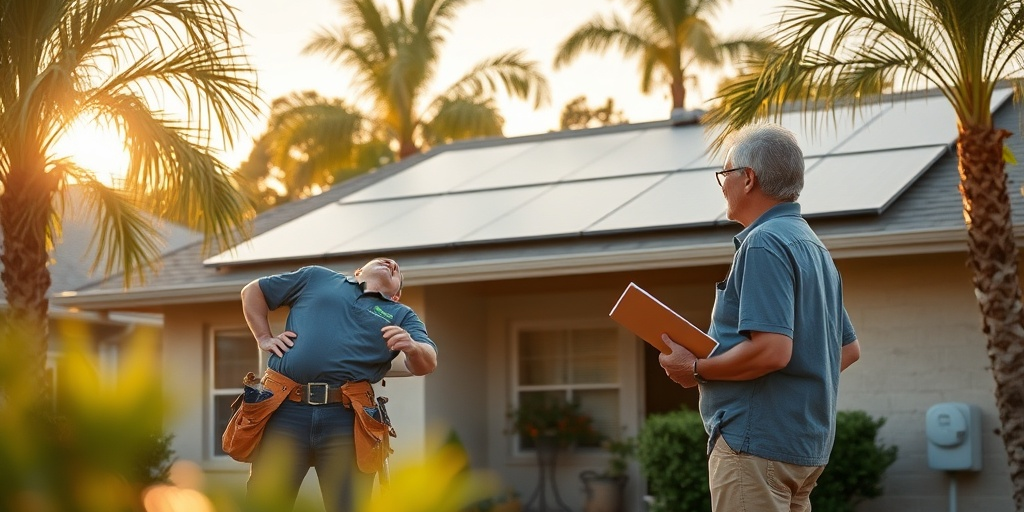
What if I told you that, as a Florida homeowner, you may be missing out on substantial energy savings just because you believe solar panel installation is only for large homes? This is a common misconception that can deter potential solar adopters from exploring an energy solution that could not only lower their monthly utility bills but also benefit the environment. In the blog post titled “Myth: Solar Panel Installation Is Only for Large Homes”, we’re going to dismantle this myth and illuminate the truth behind solar power that every homeowner should know. According to a recent survey, homeowners can save an average of $45,000 over 20 years by switching to solar power (Energy.gov). Moreover, the U.S. solar market is projected to grow from 114 GW of capacity to 247 GW by 2025 (SEIA.org)—an exciting trend that benefits homeowners of all sizes. This topic is particularly urgent as we move into 2025, when rising energy costs and new solar incentives are encouraging all homeowners, regardless of their home’s size, to consider solar energy as a viable option. In this article, we’ll dive into five key sections: a deep dive into common myths surrounding solar installation, actionable steps you can take to enhance your solar understanding, best practices for solar installations in 2025, a narrative that illustrates a realistic solar journey, and an action plan tailored for Florida homeowners.
Debunking the Myth: Solar Panels Are for Large Homes Only
To illustrate the diversity of solar panel installation, let me introduce you to Susan, a Florida homeowner living in a cozy 1,200 square foot home. After a harsh summer where her electricity bill skyrocketed due to air conditioning usage, she felt compelled to look for alternatives. Initially, Susan believed that solar panels were out of reach for her small house. “I thought solar power was mainly for massive estates,” she confessed. However, she soon discovered the potential benefits for her home. With the help of Florida Electric & Solar, Susan took the leap, not only slashing her utility bill significantly but also contributing to a more sustainable future.
Many homeowners, like Susan, share this misconception, thinking that substantial roof space—or sheer home size—plays the decisive role in solar viability. This myth could not be further from the truth. Solar power can be tailored to fit homes of all sizes, thanks to advancements in technology such as high-efficiency panels that deliver increased power output per square foot. Additionally, the cost of solar panels per watt has dramatically decreased in the past decade, making solar energy accessible to anyone looking to cut down their electric bills.
- Case Study: Susan’s experience highlights a common journey for small homeowners. Upon installation, her solar panels generated surplus energy, allowing her to power her home with clean energy and sell any excess back to the grid.
- Local Focus: In Florida, the incentives for smaller homes are significant. With rebates and tax credits available, even modest homes can save thousands over time (SolarReviews.com).
- Myth-Busting: The top misconception that solar power is only for larger residential properties is unfounded. Homeowners can install systems tailored to their needs, making solar an excellent investment (Energy.gov).
- Technical Deep-Dive: High-efficiency panels can fit into tighter spaces, producing upwards of 20-25% more energy than traditional models.
The question remains: how can you determine whether solar power is right for your home? Here’s a simple checklist:
- Step 1: Assess your roof size and orientation. Most rooftops can accommodate some panels, regardless of size.
- Step 2: Analyze your energy consumption by reviewing past utility bills to pinpoint potential savings.
- Step 3: Consult with a certified solar installer to explore your options and get a bespoke quote.
- Step 4: Investigate available state incentives and tax credits unique to Florida.
- Step 5: Decide on the financing method that suits you, whether purchasing outright, financing, or leasing.
Now that we’ve dismantled widespread myths about solar energy installations being exclusive to larger homes, let’s look at five bigger misconceptions that may still linger.
Five Common Myths About Solar Power, Debunked
Let’s tackle some pervasive myths that could be holding you back from investing in solar energy.
- Myth #1: Solar Panels Are Too Expensive for Small Homes – In reality, due to declining prices and state incentives in Florida, you can afford a system that meets your energy needs without breaking the bank (Energy.gov).
- Myth #2: Solar Only Works in Sunny Climates – Sunlight is necessary for solar energy, but technology such as solar batteries allows you to store energy on cloudy days.
- Myth #3: I’m Renting, So I Can’t Go Solar – Homeowners aren’t the only ones who can benefit! Many solar companies offer options for renters, such as community solar programs.
- Myth #4: Solar Power is Complicated – The installation process is quite straightforward with the help of professionals, who handle all aspects, from permits to installation.
- Myth #5: Solar Panel Maintenance is Time-Consuming – In fact, solar systems require minimal maintenance, with few adjustments needed once installed.
Armed with this knowledge, homeowners can dispel common myths and understand that solar energy is designed to benefit homes of all sizes.
5 Expert Solar Installation Tips for 2025
So, you’re considering solar for your home? Here are some expert tips to guide your solar installation discussion:
- Choose the Right Installer: Ensure you’re working with a certified and reputable solar installer, such as floridaelectricandsolar.com.
- Evaluate Your Roof Condition: Before installation, ensure your roof is in good shape to avoid costly repairs down the line.
- Understand Your Energy Needs: Know how much energy your household uses—the more you understand, the better you can optimize your solar system.
- Consider Battery Storage: Storing energy for nighttime use can enhance the effectiveness of your solar system, increasing savings.
- Stay Informed on Local Incentives: Florida offers numerous incentives that can reduce your initial investment—make sure you’re aware of them.
As we move further into 2025, staying informed and adequately prepared can make a real difference in achieving the solar savings you are after.
A Fictional Solar Journey: The Story of the Hendersons
Meet the Henderson family, residents of Naples, Florida. After years of rising electricity bills, they finally decided to explore solar energy options. But doubts loomed. “Is this really worth it for our smaller home?” the Hendersons wondered. They took action by contacting a local solar provider for a personalized assessment. After all, they wanted to ensure solar panels could work well on their modest-sized residence.
After a detailed consultation, the family learned that their energy needs could be satisfied with a compact, efficient system tailored just for them. They discovered several critical benefits along their journey:
- Monthly Savings: Implementing solar brought their average monthly bill down by 60%, freeing up funds for family trips and activities.
- Tax Credits: They applied for and received federal tax incentives for their switch to solar, recouping a significant portion of their investment.
- Community Impact: By going solar, they contributed to a larger initiative aimed at reducing carbon footprints in their communities.
- Long-Term Planning: The Hendersons now feel that they’ve secured their energy future and are proud solar advocates.
Through their story, we see that solar power can create meaningful change—progress that can happen even with smaller homes.
Next Steps for Florida Solar Buyers in 2025
Are you ready to embark on your solar journey? Start with these clear actionable steps:
- Audit Your Electric Bill: Collect past bills to understand your energy usage and see where you can save.
- Research Local Programs: Explore state incentives available in Florida to gauge available financial assistance.
- Consult with Experts: Speak to certified solar professionals to clarify all doubts surrounding solar energy systems.
- Have a Set Budget: Determine how much you can realistically invest in solar and explore financing options.
- Schedule an Installation: Once you’re informed and prepared, commit to your journey by setting a date for installation!
Understanding your intentions behind going solar ultimately makes the process more straightforward and less intimidating.
Conclusion
As we’ve journeyed through the overwhelming misconceptions around solar panel installation, it’s clear that solar energy is not confined to just large homes. Many smaller properties can reap the rewards of solar—financially and environmentally. Thanks to evolving technology, robust incentives, and real-life success stories, such as those of Susan and the Hendersons, every Florida homeowner stands to gain from switching to solar. The urgency is there: rising energy prices and the need to transition to sustainable energy sources are happening now and will undoubtedly grow in the coming years. Don’t let outdated myths hold you back from making the switch. You can proudly take ownership of your energy—starting today. Ready to start your solar journey in 2025? Connect with a certified expert at floridaelectricandsolar.com today.
Related Articles
More insights about Solar Panel

Florida Homeowners: Why Solar Panel Maintenance Is Essential

7 Essential Steps for Solar Panel Installation Success

Expert Insights: Key Factors Influencing Solar Panel Lifespan
Ready to Go Solar?
Have questions about solar energy? Our experts are here to help you make the switch to clean, renewable energy.