
Central Florida Homeowners: Unlock Solar Panel Installation Benefits
Share:
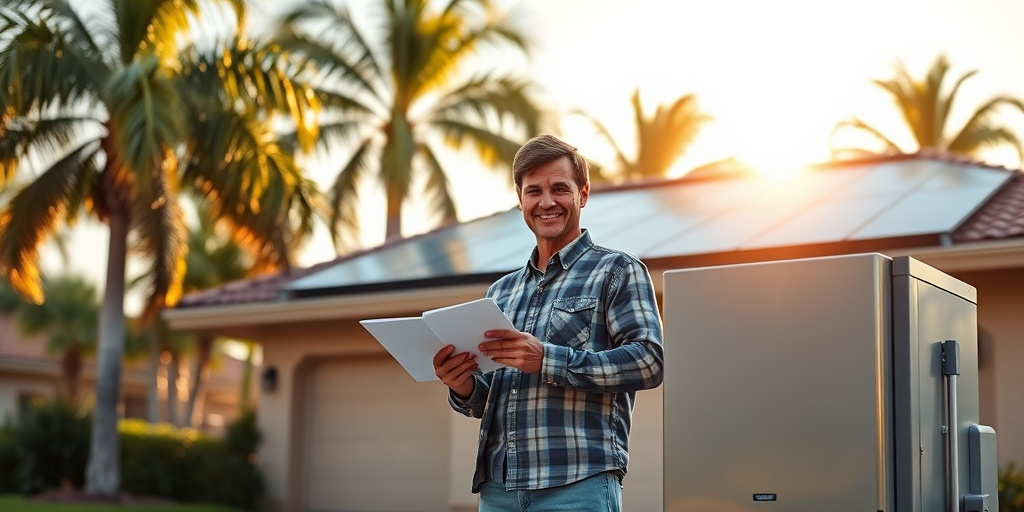
As a homeowner in Central Florida, have you ever wondered about the transformative potential of solar energy? Imagine harnessing the power of the Florida sun to reduce your energy bills, increase your home’s value, and contribute to a sustainable future. Sunlight here is not just abundant; it’s an untapped resource that can lead to significant financial savings and energy independence. In fact, a study reveals that solar panel installations can increase home values by an average of $15,000 (SEIA.org). Additionally, the trend toward solar energy is set to explode in 2025, with new incentives and technologies making it more accessible than ever for Florida homeowners. In this comprehensive guide, titled Central Florida Homeowners: Unlock Solar Panel Installation Benefits, we will explore how you can maximize your savings and energy efficiency with solar today. In the upcoming sections, we will delve deeper into real-life stories of solar adopters, actionable steps for installation, myths surrounding solar energy, local factors influencing your solar journey, and a technical deep-dive into how solar systems work.
Real-Life Transformation: A Case Study of a Florida Family Going Solar
Meet the Rodriguez family from Orlando, Central Florida. A few years ago, they found themselves struggling with soaring electric bills—a common plight among many Floridians. Determined to make a change, they began to look into solar energy. What they discovered was life-changing. After installing a solar panel system, the Rodriguez’s electricity bill decreased by 60%, allowing them to allocate funds toward their children’s education and family vacations.
The journey was not without its initial concerns, of course. Many homeowners worry about the costs and long-term commitment of solar. However, the Rodriguezes were pleasantly surprised to learn about the federal solar tax credit, which allows for a 26% credit on the cost of solar panel installation for the tax year. This incentive, coupled with Florida’s net metering policy—where surplus energy generated can be sold back to the grid—made solar a financially wise decision. According to the latest data, roughly 10% of Floridians are now equipped with solar panels, reflecting the state’s growing interest in renewable energy (SolarReviews.com).
For families like the Rodriguezes, solar energy is not just an energy issue; it’s a profound change that touches every aspect of life, from financial freedom to environmental stewardship. They were thrilled to find out that their carbon footprint was dramatically reduced by emitting less CO2, as solar systems use clean, renewable energy.
Now, let’s explore how you too can unlock solar panel installation benefits. Here are five actionable steps to consider:
- Evaluate Your Current Energy Needs: Understand your average monthly energy consumption and existing bills.
- Research Incentives: Investigate available financial incentives and rebates from local government.
- Get Multiple Quotes: Consult with several Florida-based solar installation companies for competitive pricing.
- Understand Your Roof: Assess the suitability of your roof for solar panels, looking at its age and sun exposure.
- Look Into Financing Options: Explore financing opportunities, from loans to leasing programs.
By understanding these initial steps, you can effectively navigate the journey towards solar power. The Rodriguez family’s story exemplifies the potential for savings, sustainability, and financial empowerment through solar energy. Next, let’s address some common myths that often deter homeowners from considering solar energy.
Myth-Buster: Debunking Common Misconceptions about Solar Energy
Myth #1: Solar Panels are Too Expensive – Many homeowners believe that the upfront costs of solar installation are prohibitively high. However, the reality is that with advancements in technology and incentives, the cost to install solar has dropped significantly—by nearly 82% since 2010 (SEIA.org).
Myth #2: Solar Energy is Only Efficient in Sunny States – While Florida’s sunny climate does make it an ideal candidate for solar energy, advances in technology mean that solar panels can harness energy even in less-than-perfect conditions. In fact, solar panels can still work efficiently during cloudy days.
Myth #3: Installation is Complicated and Disruptive – Many believe that the installation process is lengthy and intrusive. In reality, most solar panel installations can be completed in just a day or two, minimizing disruptions to your daily life. Moreover, many local companies have streamlined the process to ensure it is as smooth as possible.
Myth #4: Solar Energy Will Inevitably Damage My Roof – The concern that installing solar panels could damage your roof is unfounded. When installed properly by certified professionals, solar panels are designed to protect the roof beneath them and, in some cases, can even extend its life.
Myth #5: Solar Energy is Not Worth It if I Plan to Move Soon – Many homeowners think that they shouldn’t invest in solar energy if they’re planning to relocate. However, homes equipped with solar panels often sell for more than their non-solar counterparts. The added value and reduced energy bills can be a compelling selling point.
As we continue onward, it is important to consider local factors influencing solar installation in Florida. From weather conditions to state policies, these variables can significantly impact your solar power journey.
Local Focus: Florida-Specific Solar Information
Florida is known as the Sunshine State for good reason; with abundant sunlight year-round, the potential for solar energy here is immense. However, understanding local policies and incentives is key to maximizing your solar benefits.
- Net Metering: This policy allows homeowners to sell their excess solar energy back to the grid, which can help offset costs. Under Florida law, utilities are required to offer this opportunity, making it easier to recoup your installation costs over time.
- Sales Tax Exemption: In Florida, there is a sales tax exemption on solar energy systems, which means you can save a considerable amount when installing your solar panels.
- Property Tax Exemption: Installing solar panels in Florida typically does not increase your property taxes, making solar an even more attractive investment.
- State Incentives: The state periodically offers incentives like the Solar Energy System Incentive Program, which provides cash rebates for solar installations. Staying updated on these incentives is crucial for financial planning.
By leveraging Florida’s favorable policies and programs, homeowners can dramatically lower their initial investment costs. It’s apparent that now is an exceptional time to embrace solar technology! Next, let’s dive deeper into technical aspects, including how solar panels work and what components you need for a successful installation.
Technical Deep-Dive: Understanding Solar Panel Installation Components
Before making the leap to solar, it’s essential to understand the technical components involved in solar panel systems:
- Solar Panels: The most visible part of any solar system, panels convert sunlight into electricity using photovoltaic cells. The efficiency of solar panels can range from 16% to over 22%, so selecting high-efficiency options can yield better energy production.
- Inverters: These devices convert the direct current (DC) produced by solar panels into alternating current (AC) that can be used in your home. Choosing a reputable inverter is crucial, as the quality can affect overall system performance.
- Energy Storage Systems: Many homeowners choose to install batteries alongside their solar panels to store excess energy for use at night or during outages, ensuring reliable power supply and increasing savings.
- Monitoring Systems: These systems help track energy production and usage, allowing you to monitor your solar system’s efficiency and lifespan. Investing in a smart monitoring system can significantly enhance the management of your energy consumption.
Understanding each component can equip you to make more informed decisions about your solar installation. Remember, the value of solar extends beyond just energy savings—it contributes to long-term sustainability goals for our planet. Now, let’s summarize the necessary actions you need to take for a successful transition to solar energy.
Next Steps for Florida Solar Buyers in 2025
As you consider making the switch to solar energy, follow these crucial steps to ensure a smooth and successful transition:
- Step 1: Audit Your Electric Bill – Start by reviewing your electricity usage over the past year. Identify peak usage times and understand your average monthly costs.
- Step 2: Research Local Solar Companies – Contact multiple Florida-based solar installers. Look for reviews and check their certifications to ensure you’re working with reputable professionals.
- Step 3: Schedule Assessments – Once you have a shortlist of installers, have them assess your roof’s condition, direction, and shading to determine the best solar system for your home.
- Step 4: Understand Financial Options – Discuss financing options with your installer, including solar loans and leases, to find the best fit for your financial situation.
- Step 5: Sign Your Contract – Once you’ve chosen a company and finalized your financing, it’s time to sign the contract and schedule your installation date with confidence.
By empowering yourself with knowledge and available resources, you will be well on your way to enjoying the benefits of solar energy. A well-structured plan can help manage any potential obstacles and ultimately lead to a successful solar installation.
Now that you’ve learned about the many benefits of solar energy and the importance of taking action, let’s recap the key takeaways. The transition to solar energy is more than just a financial decision; it represents a commitment to a sustainable and responsible future for your family and the environment. With the latest federal and state incentives that extend into 2025, now is not just the right time; it’s the perfect time to consider making the switch to solar.
Ready to start your solar journey in 2025? Connect with a certified expert at floridaelectricandsolar.com today.
Related Articles
More insights about Solar Panel

Florida Homeowners: Why Solar Panel Maintenance Is Essential

7 Essential Steps for Solar Panel Installation Success

Expert Insights: Key Factors Influencing Solar Panel Lifespan
Ready to Go Solar?
Have questions about solar energy? Our experts are here to help you make the switch to clean, renewable energy.