
Avoid This Critical Mistake with Your Solar Panel Installation
Share:
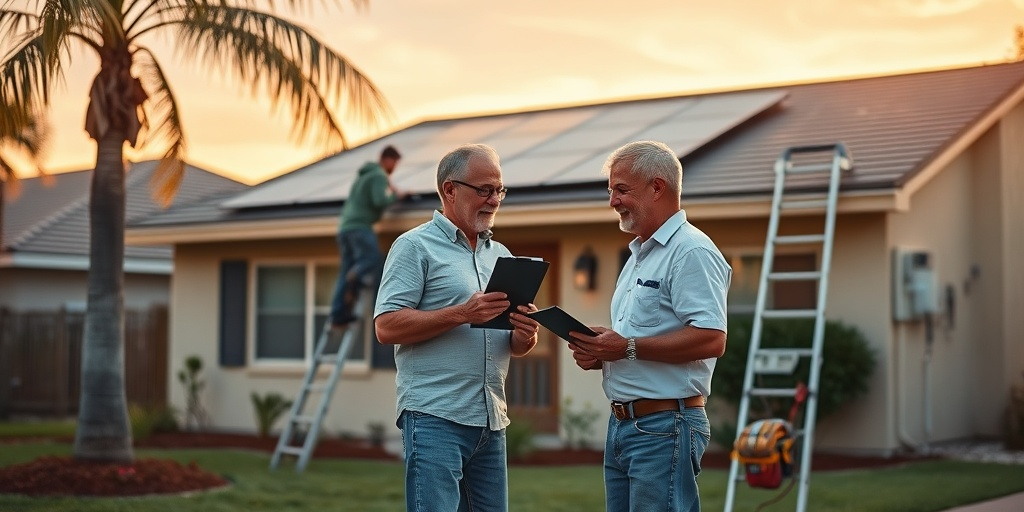
Did you know that nearly 30% of solar installations fail to realize their promised savings? That’s a staggering number in a state like Florida, where solar energy should be thriving due to abundant sunshine and increasingly favorable regulations. These failures often stem from overlooking a critical mistake in the solar panel installation process—an oversight that can cost homeowners thousands and result in disappointing returns on investment. With the year 2025 just around the corner, time is of the essence for Florida homeowners who want to harness the full potential of solar power. This brings us to the focus of today’s discussion: Avoid This Critical Mistake with Your Solar Panel Installation.
In 2025, homeowners will face rising energy costs and new solar incentives aimed at making solar power more accessible (Energy.gov). Knowing how to navigate these waters is essential if you want to turn your home into a sustainable energy hub. In this blog, we will delve into five critical sections: a case study illustrating common pitfalls, a checklist for a successful installation, myth-busting prevalent misconceptions, a Florida-focused analysis of state-specific incentives, and a technical deep-dive into installation processes that could save you from future headaches. Let’s get started!
Realizing Potential: A Case Study in Solar Installation Mistakes
Lily Collins, a homeowner in Sarasota, Florida, was thrilled about transitioning to solar energy in early 2024. Like many other Florida homeowners, she envisioned a future where she would cut her electric bills by incorporating renewable energy. After conducting some rudimentary research, she quickly hired a local company claiming expertise in solar installation. Unfortunately, Lily soon discovered that she had fallen victim to a critical oversight—a lack of understanding regarding the panel placement and orientation, which are pivotal for optimizing energy absorption.
A study conducted by the Solar Energies Industries Association (SEIA) reveals that improper panel placement can lead to losses of up to 20% in energy production, effectively thwarting the very goal of going solar. In Lily’s case, her panels faced west instead of south, leading to significantly lowered energy generation during peak hours. This critical mistake severely hampered her potential savings, which should have averaged $1,500 annually. It also diminished her long-term investment in solar, reducing the overall ROI (SEIA.org).
Checklist: 5 Steps to Ensure Effective Solar Installation
- Step 1: Hire Experts—Choose a reputable solar company and verify their credentials. Don’t settle for the first company; read reviews, ask for references, and confirm their successful track records.
- Step 2: Assess Your Roof—Ensure your roof is suitable for solar panels, taking into account its age, structural integrity, and orientation toward the sun.
- Step 3: Make a Comprehensive Plan—Discuss the potential placement of solar panels with your installation expert, ensuring they optimize sun exposure and minimize shading.
- Step 4: Understand Your Energy Needs—Analyze your home’s energy consumption to choose the right system size and type of technology, including inverters and battery storage (Energy.gov).
- Step 5: Review Permitting and Incentives—Stay informed about local policies or financial incentives such as the 30% federal tax credit that can affect your installation (SEIA.org).
The road to successful solar panel installation is fraught with challenges, and Lily’s experience illustrates the importance of making informed decisions at every step of the process. With optimal panel placement and the right expertise, Florida homeowners can truly capitalize on solar energy’s benefits.
Debunking Myths Surrounding Solar Power
Myth #1: Solar Panels Only Work in Sunny Climates—This myth is misleading. While Florida is blessed with ample sunlight, solar panels can still generate power on cloudy days and in less-than-ideal weather conditions. In fact, solar panels can produce energy in ambient light, making them effective year-round (SolarReviews.com).
Myth #2: Solar Energy is Too Expensive—Many homeowners believe that solar installations are cost-prohibitive. However, with federal tax credits, state incentives, and local rebates, the real costs are often substantially lower than public perception. The average payback period for installations in Florida has declined to about 6-8 years (SEIA.org).
Myth #3: Once Installed, Solar Systems Require Significant Maintenance—Modern solar systems are designed for durability. Solar panels often come with warranties that last between 20 to 25 years with minimal required maintenance. Regular cleaning and periodic inspections are usually enough to keep them operating at peak efficiency.
Myth #4: My Home Needs to be Off-Grid to Go Solar—Many homeowners assume that going solar requires disconnecting from the utility grid. In fact, the majority of solar systems in Florida remain grid-tied, allowing homeowners to benefit from net metering policies that provide credits for excess energy sent back to the grid (Energy.gov).
Understanding these myths is essential for Florida homeowners. Awareness leads to empowered decisions that can maximize savings while protecting the investment in solar technology.
Each myth you debunk empowers you further—ensuring you discover the real potential that solar energy offers.
Florida Energy Secrets: Harnessing Local Incentives
Florida is a paradise for solar energy enthusiasts, not just because of its sunny disposition but also due to its favorable policies aiming to encourage solar adoption. For instance, one of the most critical pieces of legislation affecting homeowners is Senate Bill 100, established in 2023, which supports solar tax incentives that may significantly reduce installation costs. This bill continues to incentivize installations well into 2025, providing a landscape fertile for solar investments.
- Incentive #1: 30% Federal Tax Credit—Florida homeowners can claim a 30% deduction on their income tax for solar panel installation, making it cost-effective.
- Incentive #2: State Sales Tax exemption—Purchasing solar panels typically allows homeowners to sidestep state sales tax, further lowering upfront fees.
- Incentive #3: Net Metering—This policy enables homeowners to sell back excess energy to the grid, providing credits towards future utility bills.
- Incentive #4: Property Tax Exemption—Solar installations are exempt from property taxes in Florida, meaning homeowners won’t face financial penalties for increasing their property value (SEIA.org).
By taking full advantage of these incentives, Florida homeowners can maximize their solar savings and ensure a fast recovery on their investment. The future of energy in Florida looks bright—provided you understand and utilize the incentives available.
Engaging with a knowledgeable solar provider can help you navigate the intricate trails of these incentives and enhancements.
Technical Deep-Dive: Understanding How to Optimize Your Solar System
Hello, future solar aficionado—are you ready to dig into the nitty-gritty of solar systems? Panel selection, inverter choice, and battery storage are critical components that every homeowner should understand. These technical details can make a world of difference in your energy efficiency and savings.
Understanding Your Solar Components:
- Solar Panels: Pay attention to the efficiency ratings and durability of the panels you choose. Mono-crystalline panels are typically more efficient than poly-crystalline panels, though they come at a premium price (SolarReviews.com).
- Inverters: Consider string inverters versus micro-inverters. While string inverters can be more cost-effective, micro-inverters accommodate individual panel performance and are beneficial for partially shaded installations.
- Battery Storage: Assess whether battery storage suits your energy needs. Homeowners can store excess energy produced during the day to utilize during peak night-time usage, substantially increasing savings.
Finally, examine your billing cycle. Leveraging time-of-use rates can significantly impact how you optimize your solar energy production, as it allows you to align energy consumption with peak production hours. Understanding these technical components will empower you to make well-informed choices during your solar journey.
Next Steps for Florida Solar Buyers in 2025
To effectively navigate the bustling world of solar energy installations, follow this actionable checklist. Taking concrete steps will ensure you avoid common mistakes and maximize your ROI.
- Step 1: Audit Your Electric Bill—Review your current electricity consumption and bill patterns. Understanding these details can help you propose an optimal solar system size.
- Step 2: Research Installation Companies—Compile a list of trusted solar installation companies. Look for companies that have consistently positive reviews and come with ample industry experience.
- Step 3: Schedule Consultations—Engage in consultations with multiple providers to gain perspectives on solar panel systems tailored to your specific needs, preferences, and budget.
- Step 4: Understand the Permitting Process—Navigating permits can feel cumbersome, so ensure your provider is well-versed in local regulations.
- Step 5: Make Your Purchase—After careful consideration of all factors, finalize your decision and proceed with the purchase. Ensure you fully understand the warranty, insurance, and maintenance agreements offered.
These steps will guide Florida homeowners through the complexities of solar energy, enabling a seamless transition from research to installation. Adopting solar energy isn’t just a practical move; it’s a proactive step toward a sustainable future.
In conclusion, your solar journey doesn’t end here. The shifts toward renewable energy are not merely trends—they are the future. As energy costs rise and Florida accelerates its move toward clean energy, being proactive now will keep you ahead of any challenges. Together, we’ve explored the critical mistakes made during solar installations and how to avoid them, debunked myths surrounding solar energy, unveiled local incentives, and offered actionable steps you can adopt. Each decision you make today can impact your family’s financial future, energy independence, and contribution to environmental sustainability.
Ready to start your solar journey in 2025? Connect with a certified expert at floridaelectricandsolar.com today.
Related Articles
More insights about Solar Panel

Florida Homeowners: Why Solar Panel Maintenance Is Essential

7 Essential Steps for Solar Panel Installation Success

Expert Insights: Key Factors Influencing Solar Panel Lifespan
Ready to Go Solar?
Have questions about solar energy? Our experts are here to help you make the switch to clean, renewable energy.