
10 Essential Tips for Understanding Solar Panel Lifespan
Share:
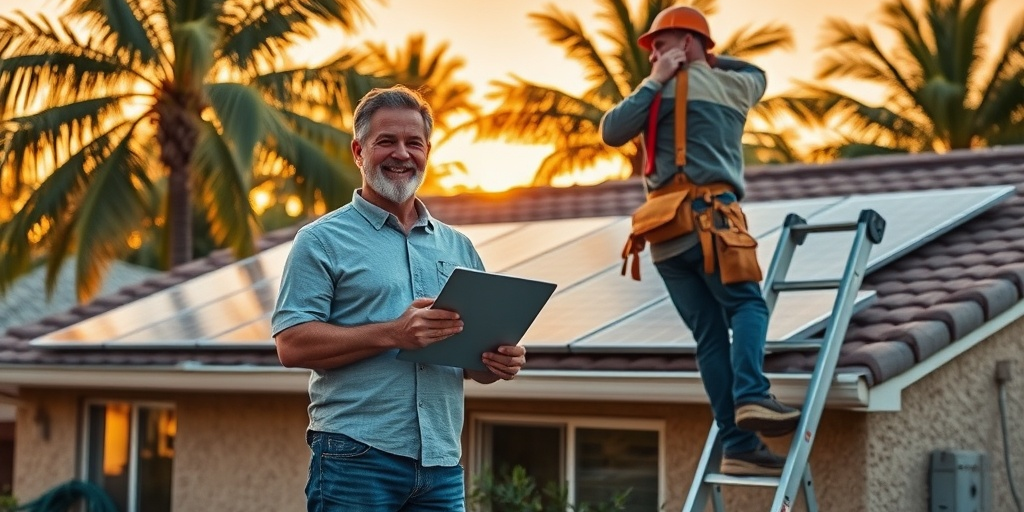
Did you know that, according to the Solar Energy Industries Association, solar panel costs have dropped by over 70% since 2010? That’s an astounding number, especially for Florida homeowners eager to embrace solar power amid rising utility rates. As you consider making the switch to solar energy in 2025, understanding the lifespan of your solar panels is not just a casual interest; it directly impacts the durability, efficiency, and return on your investment. This article delves into the 10 Essential Tips for Understanding Solar Panel Lifespan, providing you with crucial insights to maximize your investment while ensuring your system operates efficiently year-round. In a state like Florida, where sunlight is bountiful, harnessing solar power can lead to significant savings, but only if your panels are optimized for longevity and performance. Here, we will explore five sections: a deep dive into what affects solar panel lifespan, a checklist for maximizing efficiency, common myths debunked, Florida-specific insights, and a technical analysis of panel technology. Buckle up—this journey towards solar understanding will not only enlighten you but may also save you thousands.
A Comprehensive Look at Solar Panel Lifespan in Florida
When it comes to solar panel longevity, it’s crucial to understand how various factors can affect their life expectancy. A real-life example can provide clarity here: let’s consider the journey of the Martinez family in Tampa. Excited about their recent solar installation, they researched extensively; they wanted to know more about how to ensure the panels would last the full length of their warranty, typically 25 years. After diving deep into the subject, they learned about factors like weather conditions, maintenance routines, and even their initial panel selection. For instance, the U.S. Department of Energy notes that solar panels typically last for 25 years, but many can operate effectively beyond this, retaining 80% or more of their initial efficiency (Energy.gov). The key takeaway from their experience is it’s not just about purchasing solar panels; it’s about understanding how to take care of them for the long run.
Checklist of Essential Steps for Understanding Solar Panel Lifespan
There’s no one-size-fits-all approach to maintaining solar panels, but following this checklist will ensure you maximize their lifespan. Here are the essential steps to consider:
- Step 1: Choose Quality Panels – Begin with high-quality solar panels rated for durability. Look for panels with a strong warranty and the highest efficiency ratings available. Investing upfront means less hassle later.
- Step 2: Schedule Regular Inspections – Plan annual inspections to check for dirt, damage, or issues that could affect performance. Regular professional maintenance is crucial, especially in a region like Florida, where humidity and storms are common.
- Step 3: Clean Your Panels – In Florida, dust, bird droppings, and pollen can accumulate on your panels. Clean them periodically to ensure they operate at peak efficiency. A simple garden hose will often suffice.
- Step 4: Monitor Performance – Invest in a monitoring system to keep track of energy production and system health. If you see a sharp decline in output, it may indicate an issue that needs addressing.
- Step 5: Stay Informed – Keep up to date with advancements in solar technology and local solar policies. Innovations in solar panel production could offer you further savings and greater efficiency.
By following this checklist, you’re helping ensure that your solar investment continues to pay off long into the future, an important consideration as Florida homeowners benefit from solar incentives.
Myth-Busting Common Misconceptions About Solar Panel Lifespan
With the growing popularity of solar energy, many myths have inevitably emerged. Let’s debunk five common misconceptions about solar panel longevity that could be holding Florida homeowners back:
- Myth #1: Solar Panels Only Last 10-15 Years – This is incorrect. Most solar panels have a lifespan of 25-30 years, with many maintaining efficiency for much longer if well maintained (NREL.gov).
- Myth #2: Solar Panel Maintenance Is Too Complicated – In reality, maintaining solar panels is straightforward. A simple cleaning and an annual inspection can vastly improve longevity.
- Myth #3: Solar Panels Lose Efficiency Rapidly – Solar panels degrade gradually, with most retaining around 80% of their efficiency even after 25 years—far better than many consumers assume.
- Myth #4: Cloudy Weather Negatively Affects Solar Panels – Florida’s sunny days significantly outweigh the cloudy ones, and solar panels can generate energy even on overcast days due to diffused sunlight.
- Myth #5: I Don’t Need to Worry About Inverter Lifespan – Inverters generally last around 5-10 years and should be replaced to maintain the efficiency of your system. Neglecting this aspect can lead to efficiency losses.
Addressing these myths head-on can empower you with the knowledge needed to navigate your solar journey adequately.
Florida-Specific Factors Affecting Solar Panel Lifespan
When considering solar power, regional factors dramatically influence panel performance and longevity. Here’s what you should keep in mind if you’re a Florida homeowner:
- Hurricane Risks: Florida is prone to extreme weather, including hurricanes. Invest in panels designed for high wind resistance and ensure proper installation to withstand eventual storms.
- UV Exposure: The Florida sun can be intense, leading to panel degradation if the panels are of inferior quality. Opt for good-quality panels that are rated to resist UV damage and extreme heat.
- Humidity and Corrosion: High humidity can lead to corrosion. Look for panels that are certified for use in coastal conditions if you live near the coast. Selecting rust-resistant frames could also be beneficial.
Understanding these factors allows for a more strategic approach in selecting, installing, and maintaining your solar system.
Diving Deep into Technical Aspects of Solar Panel Technology
To make the most out of your solar investment, it’s essential to understand the technology behind solar panels. Today’s panels come with various features that can significantly affect their efficiency and lifespan:
- Panel Types: Photovoltaic (PV) solar panels vary in efficiency and longevity. Monocrystalline panels are known for their high efficiency, while polycrystalline panels can be less expensive.
- Inverters: The inverter plays a crucial role in converting solar energy. It’s essential to monitor its performance and frequency of replacement to maintain optimal system functionality.
- Battery Systems: If you plan to store energy, battery systems will affect efficiency and usage. Modern batteries are designed to have long life spans, reducing long-term replacement costs.
Understanding these elements allows you to make informed decisions regarding which technology aligns best with your specific energy needs.
Next Steps for Florida Solar Buyers in 2025
As you contemplate your solar journey, here’s a breakdown of actionable steps you can take toward achieving a successful installation:
- Step 1: Audit Your Electric Bill – Determine your monthly usage to understand how much solar power you need. This will inform your system size and costs.
- Step 2: Consult with Several Solar Providers – Speak to multiple companies to compare costs, warranties, and service plans. Make sure they are well-versed in Florida solar incentives.
- Step 3: Review Contracts Carefully – Assess the terms of service, warranties, and details about panel lifespans before signing any agreements.
- Step 4: Align Installation with Weather – Choose a time for installation that aligns with favorable weather conditions, avoiding hurricane season for safety.
- Step 5: Monitor Performance Post-Installation – After moving to solar power, frequently check system output to ensure it meets expectations and service is timely for repairs.
Every step you take now not only paves the way for future energy savings but also strengthens the sustainability of your lifestyle and investment.
In conclusion, the journey towards solar energy adoption in Florida is both exciting and fulfilling. By understanding the factors that contribute to solar panel longevity, such as choosing quality materials, maintaining them properly, and dispelling common myths, you can make a confident decision that positively impacts your family’s future. As we move into 2025, with energy costs expected to rise and incentives for solar adoption growing, the urgency to address these concerns has never been more significant. A well-planned solar investment can provide financial relief, energy independence, and environmental stewardship, ensuring you maximize your lifespan of your panels. Ready to start your solar journey in 2025? Connect with a certified expert at floridaelectricandsolar.com today.
Related Articles
More insights about Solar Panel

Florida Homeowners: Why Solar Panel Maintenance Is Essential

7 Essential Steps for Solar Panel Installation Success

Expert Insights: Key Factors Influencing Solar Panel Lifespan
Ready to Go Solar?
Have questions about solar energy? Our experts are here to help you make the switch to clean, renewable energy.