
Why Gulf Coast Residents Should Consider Solar Panel Installation
Share:
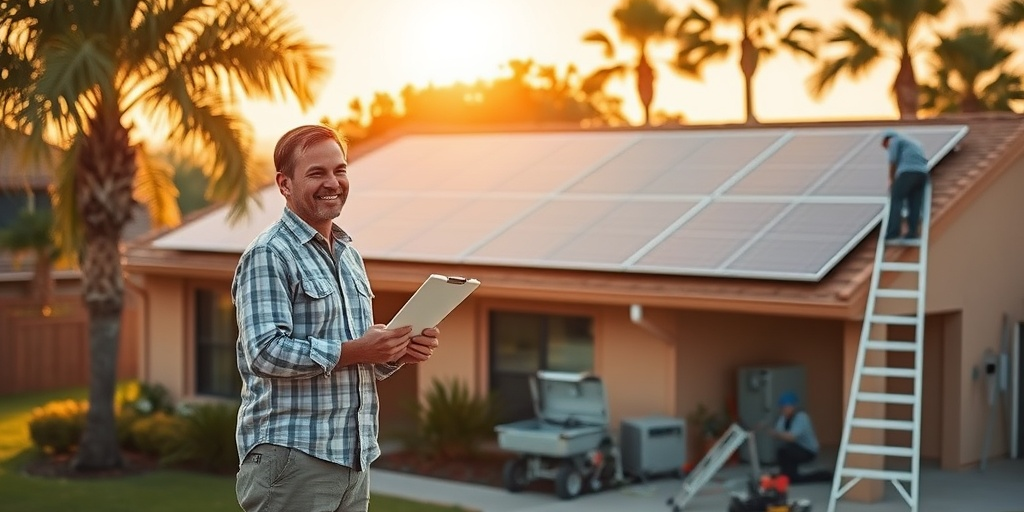
As we approach 2025, homeowners along Florida’s Gulf Coast are beginning to feel the impact of rising energy costs. Did you know that households in Florida pay an average of $130 per month for electricity, which is nearly 25% higher than the national average? This trend shows no sign of reversing, pushing many Florida homeowners to explore alternative solutions. If you’ve ever wondered about how solar panel installation could benefit your home, you’re not alone. Increasingly, Gulf Coast residents are considering how solar energy can cut their electric bills while contributing to a sustainable future. In this article, titled Why Gulf Coast Residents Should Consider Solar Panel Installation, we will explore the compelling reasons why now is the time to switch to solar. With incentives and programs tailored specifically for Florida’s climate and economic conditions, delaying the transition may cost you more than you think.
In this article, we will cover:
- A detailed case study showcasing the journey of a local homeowner who switched to solar.
- A practical checklist to help you navigate the solar installation process smoothly.
- A myth-busting section that addresses common misconceptions about solar energy.
- An analysis of Florida-specific data and policies that impact your decision.
- A technical deep dive into solar panel technology and financing options.
With Florida’s abundant sunshine and a growing array of solar incentives, 2025 is the year to maximize your energy savings while demonstrating your commitment to sustainability. Let’s dive right in!
Real Stories: How Solar Changed One Gulf Coast Homeowner’s Life
Sometimes, numbers tell only part of the story. Take the experience of Mary and Joe, a couple living in Sarasota. Stressed by rising utility bills, which had surged to over $200 per month, they decided to investigate solar energy options. After a thorough online search, they connected with Florida Electric & Solar, who informed them about the various tax credits and local financing options.
During the initial consultation, they learned that a solar panel installation could drastically reduce their electric bill, potentially saving them over $1,500 annually. With financial assistance programs set to expire by 2026, they realized the pivotal moment to act was now, and so they took the plunge. In just six weeks, their home was equipped with a high-quality solar panel system, empowering them to produce their own energy.
This narrative showcases a common journey for many Gulf Coast residents contemplating solar. According to data gathered by the Solar Energy Industries Association, Florida is ranked third in the nation for solar capacity, which exceeded 8,000 megawatts in 2022 (SEIA.org). Furthermore, solar power can provide significant returns on investment: homeowners typically recoup their initial solar investment in as little as 6 to 10 years (Energy.gov).
It’s no wonder that the Florida solar market is thriving. But how can you ensure your installation is successful? Our checklist will guide you through!
Your Roadmap to Solar: An Actionable Checklist
Transitioning to solar energy should be an empowering experience, not a daunting task. The following steps will help streamline your journey:
- Step 1: Assess Your Energy Consumption
- Step 2: Research Local Solar Providers
- Step 3: Understand the Incentives
- Step 4: Schedule a Consultation
- Step 5: Installation and Monitoring
Start by gathering your past electric bills. Knowing your average monthly energy consumption helps determine the solar power system size needed to meet your requirements.
Check out reviews and testimonials for solar companies in your area. Look specifically for teams that prioritize customer service and offer affordable financing options.
Florida homeowners can take advantage of the federal solar tax credit, which currently allows you to deduct 26% of your solar installation costs from your taxes (SEIA.org). Also, familiarize yourself with local incentives that could lower your overall investment further.
Contact a reputable solar provider for a consultation. A professional will assess your home for solar panel viability, explain financing options, and provide a detailed quote.
Once you’ve signed a contract, your panels will typically be installed within weeks. After installation, be proactive about monitoring your system’s performance—tracking energy production ensures it’s functioning optimally.
With a clear path laid before you, it’s time to dispel some myths surrounding solar energy next!
Myth-Busting: Debunking Common Misconceptions About Solar Energy
Even in the Sunshine State, misconceptions about solar energy continue to cloud decision-making. Let’s debunk some of these myths:
- Myth #1: Solar Panels Are Too Expensive
- Myth #2: Solar Panels Don’t Work in Cloudy Areas
- Myth #3: Solar Energy Requires a Lot of Maintenance
- Myth #4: Solar Energy Isn’t Reliable
- Myth #5: Solar Panels Decrease Property Value
Many believe that solar panels are prohibitively expensive. While the upfront costs can be significant, federal and state incentives often make going solar more affordable than anticipated—think of the average installation price dropping nearly 50% since 2010 (SolarReviews.com).
Florida’s sunshine provides ample energy production potential, even on overcast days. Modern solar panels perform efficiently even in less-than-ideal weather conditions, averaging around 80% efficiency on cloudy days.
Most solar panel systems require minimal maintenance; an annual inspection and occasional cleaning should suffice. Additionally, many systems come with warranties that guarantee performance.
Relying solely on solar can be supplemented with battery storage solutions, allowing homeowners to reserve energy produced during the day for use in the evening or during power outages.
On the contrary, homes equipped with solar panels often see an increase in property value—sometimes by as much as 4% (Energy.gov). Prospective buyers appreciate the long-term savings that come with solar energy.
By busting these myths, you can now make a well-informed decision. Next, let’s take a closer look at why Florida is uniquely suited for solar energy through local data and policies!
Solar in Florida: Analyzing Local Data and Policies
Florida’s vast and sunny landscape makes it a prime candidate for solar energy adoption. In fact, the state leads the nation in solar-related job growth, with the solar market set to create over 74,000 jobs by the end of 2025 (DSIREUSA.org). But it’s the combination of local policies and supportive programs that make solar truly appealing for Gulf Coast residents.
Florida has instituted policies that primarily support solar energy development, including:
- No State Sales Tax on Solar Equipment: Purchases of solar Tequipment are exempt from the state’s sales tax, saving homeowners a substantial amount.
- Net Metering: Your utility company will credit you for excess energy you generate and send back to the grid, maximizing your investment and reducing the payback period.
- Property Tax Exemption: Solar panel installations increase property value, but any increase attributable to solar investments is exempt from property taxes, making solar an even more attractive investment.
These favorable policies play a vital role in your solar decision-making process, especially in the context of overall energy strategy in Florida. In fact, according to a recent study, solar adoption in Florida could result in energy bill savings of up to 70% for homeowners transitioning to pure solar energy systems (NREL.gov). Let’s explore how to practically approach this investment in your energy future!
Your Next Steps: A Comprehensive Action Plan for Florida Solar Buyers in 2025
Transitioning to solar energy can feel overwhelming, but with a focused action plan, you can navigate the process smoothly and confidently. Below is a comprehensive checklist designed to ease your journey:
- Step 1: Audit Your Electric Bill
- Step 2: Research Providers
- Step 3: Apply for Incentives
- Step 4: Get Multiple Quotes
- Step 5: Monitor Your System post-Installation
Examine recent utility bills to understand your energy usage patterns. This information will help you estimate how much solar power you’ll need.
After gathering the data, research local solar companies available in your area. Check customer reviews and compare offerings to find the best fit for your needs.
Fill out the necessary paperwork for federal and state incentives. This step can significantly reduce your upfront costs, facilitating a smoother transition.
Solicit quotes from different solar companies to ensure you receive a competitive offer. Evaluating multiple options helps you find the best deal that meets your needs.
After your solar installation, keep track of how much energy you’re producing and using. Monitoring systems can offer insights into making the most out of your investment.
Implementing these steps will ensure that you make informed and effective choices in your solar journey. Choosing to go solar isn’t just about saving money—it’s about leading the way for a sustainable future. Are you ready to embrace solar energy?
In conclusion, 2025 presents a unique opportunity for Gulf Coast residents to take charge of their energy future through solar panel installation. With rising utility costs, enticing federal incentives, and state programs aimed at promoting solar energy, the benefits of switching to solar power have never been clearer. By taking steps today, you can mitigate your utility expenses while significantly contributing to environmental sustainability.
Your choice to install solar panels can lead to energy independence, cost savings, and a positive impact on future generations. Don’t wait until it becomes even more urgent; connect with a certified expert at floridaelectricandsolar.com today and embark on your solar journey!
Related Articles
More insights about Solar Panel

Florida Homeowners: Why Solar Panel Maintenance Is Essential

7 Essential Steps for Solar Panel Installation Success

Expert Insights: Key Factors Influencing Solar Panel Lifespan
Ready to Go Solar?
Have questions about solar energy? Our experts are here to help you make the switch to clean, renewable energy.