
Expert Insight on Solar Panel Installation Best Practices
Share:
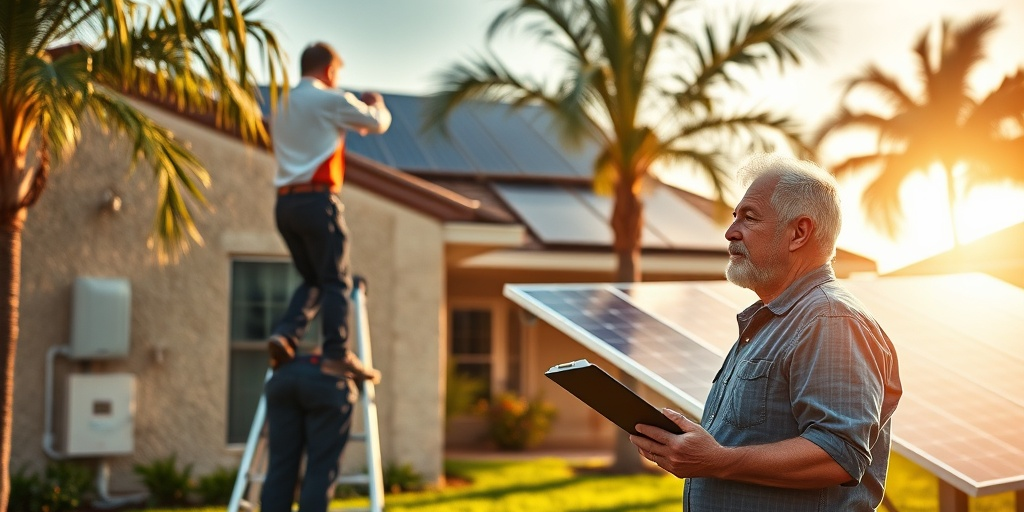
In recent years, a remarkable transformation has taken place in the energy landscape, and Florida homeowners and commercial property owners alike are on the front lines of this revolution. Did you know that the Sunshine State ranks among the top ten states for solar energy capacity, with over 5,500 MW of installed solar power as of 2023? This shift toward sustainability is not just a passing trend; it’s a fundamental change that stands to reshape how we think about energy consumption. With rising utility costs and increasing concerns over the environment, knowledge about solar panel installation has never been more crucial. This is precisely why we’re sharing insights in this article entitled Expert Insight on Solar Panel Installation Best Practices. According to recent studies, homeowners can expect to save an average of $1,000 annually on electricity bills by going solar (SEIA.org). As we approach 2025, the urgency to make informed decisions about energy consumption—whether motivated by financial advice, eco-consciousness, or grid instability—holds significant weight.
In this comprehensive guide, we will explore:
- The Importance of Proper Solar Installation: What Every Florida Homeowner Needs to Know
- Your Step-by-Step Guide: Essential Guidelines for Solar Panel Installation
- Common Myths Debunked: Clarity for Skeptical Homeowners
- Florida-Specific Considerations: Local Insights That Matter
- Technical Insights: Understanding the Science Behind Your Solar System
Understanding the best practices surrounding solar panel installation can bring about not just savings, but a self-sufficient energy future. Join us on a journey filled with insights that can prepare you for becoming a pioneering homeowner or business owner in the new era of solar power.
The Importance of Proper Solar Installation: What Every Florida Homeowner Needs to Know
Imagine this: the Johnson family, living in the heart of Orlando, faced an increasingly high electric bill. They weren’t just driven by a desire to save money; they wanted to reduce their carbon footprint for future generations. After much research, they decided to invest in solar energy. But their journey began with understanding the best practices in solar panel installation. The proper installation can add tremendous value both financially and environmentally. A well-installed solar energy system typically enhances the longevity and efficiency of the solar panels—leading to greater energy savings.
Step 1: Assess Your Roof Structure and Orientation. Considering Florida’s abundant sunshine, the pitch and condition of your roof are critical in determining panel placement. Ideally, a south-facing roof with a pitch between 20-50 degrees maximizes exposure. If your roof is shaded by trees or other structures, you may need to consider alternative placements.
Step 2: Choose Quality Equipment. Invest in high-quality solar panels, inverters, and batteries that come with robust warranties. A reputable solar installation company can guide you in selecting the right products. For instance, bifacial solar panels have gained popularity, offering higher efficiency rates (SolarReviews.com).
Step 3: Understand Local Regulations and Permits. To install solar panels in Florida, you must adhere to local building codes and zoning laws. In some cases, permits are required before installation, and these can vary between counties, so consulting your local government or a qualified installation service is advisable.
Step 4: Work with Certified Installers. The importance of hiring a licensed contractor cannot be overstated. A certified installation team not only ensures compliance with state regulations but also provides expertise in optimizing system performance. Florida Electric & Solar employs certified professionals who are well-versed in solar installation best practices.
Step 5: Ensure Proper System Design. This includes determining whether a grid-tied, off-grid, or hybrid system is best suited to your energy needs. Proper system design can lead to an impressive return on investment, evident in the rising number of Florida residents reaping the rewards of effective solar installations (NREL.gov).
By investing time in understanding these aspects, the Johnson family transitioned from apprehensive seekers to informed solar advocates, reducing their electric bills by 70% within the first few years. The analysis also revealed a significant increase in their property value—an added benefit of switching to solar. Transitioning from traditional fossil fuels not only allows homeowners like the Johnsons to save money, but it also contributes positively to environmental sustainability.
Your Step-by-Step Guide: Essential Guidelines for Solar Panel Installation
Before diving into the specifics, let’s summarize that navigating the steps required for solar panel installation is paramount for Florida homeowners seeking to leverage solar energy efficiently. Following these guidelines diligently will ensure you maximize your investment and achieve the desired benefits.
- Step 1: Conduct a Solar Assessment – Evaluate potential solar exposure on your property, including shading and roof tilt. Use tools like satellite imagery or consult professionals for a detailed analysis.
- Step 2: Select the Right Solar System – Understand the variety of solar technology options available, such as monocrystalline, polycrystalline, or thin film. Each comes with unique efficiency ratings and costs to consider.
- Step 3: Obtain Multiple Quotes – Compare several estimates from licensed contractors. Different companies may offer various warranties, financing options, and service packages, helping you find a deal that suits your needs.
- Step 4: Evaluate Maintenance Requirements – Solar panels typically require minimal maintenance, but understanding your system’s needs will help you budget for occasional cleaning and monitoring.
- Step 5: Advocate for Local Incentives – Florida has various incentives for homeowners who adopt solar energy, including tax credits and rebates. Ensure you research these programs to take full advantage.
By following these steps, Florida homeowners can simplify the solar installation process and enhance their chances of success. Furthermore, proper planning and implementation can lead to assurance that your energy bills will decrease significantly, while doing your part to protect our environment.
Common Myths Debunked: Clarity for Skeptical Homeowners
In the realm of solar energy, misinformation can hinder potential investors; thus, debunking myths surrounding solar panel installation is crucial for Florida homeowners considering this transition. Let’s clarify some of the most common misconceptions.
- Myth #1: Solar Panels Are Too Expensive Is No Longer True. With the average cost of solar energy systems dropping by nearly 70% over the last decade, it’s more affordable than ever to go solar (SEIA.org).
- Myth #2: Solar Panels Don’t Work on Cloudy Days. While solar panels operate at their peak during sunny days, they can still generate electricity in overcast conditions. Even with cloudy weather, solar panels yield viable energy outputs.
- Myth #3: Solar Panels Require Complex Maintenance. In reality, they require maintenance only a couple of times per year. Regular cleaning and inspection should suffice to ensure efficiency and longevity.
- Myth #4: You Can’t Install Solar if Your Roof Is Shaded. While significant shading can affect system performance, there are solutions like ground-mounted systems or panel placement on other structures.
- Myth #5: You Will Not Recoup Your Investment. Many homeowners report substantial returns, saving significantly on their energy bills while taking advantage of federal and state incentives, which often cover a large portion of the installation costs.
By recognizing the facts surrounding these misconceptions, Florida homeowners can approach their solar energy journey more informed and equipped, understanding that investing in solar energy systems can lead not only to financial savings but also an environmental legacy.
Florida-Specific Considerations: Local Insights That Matter
Understanding the unique aspects of Florida’s solar landscape is essential for homeowners considering installation. The Sunshine State has earned its reputation not just due to its bright and sunny weather, but also because of legislative efforts that encourage solar energy adoption. As a homeowner, recognizing these specifics will better position you to take advantage of the numerous benefits solar energy offers.
- Incentives and Rebates: Florida homeowners can access tax credits of up to 26% on the installation cost of solar systems, encouraging more people to make the switch. Additionally, various utilities offer rebates that can further offset installation costs. Knowing what incentives are available can be a game-changer!
- Net Metering Benefits: Florida’s net metering policy enables homeowners to receive credits for solar-generated electricity fed back into the grid. This policy can significantly offset monthly electricity costs, providing greater savings in the long run.
- Local Solar Resources: Florida boasts a growing number of qualified solar installation companies. Selecting reputable local installers can ensure quality work, as they navigate state-specific regulations and local requirements effectively.
- Community Support: Numerous Florida-based organizations advocate for solar energy use. Engaging with these communities can offer ongoing support and resources for existing and prospective solar owners.
By being aware of these local considerations, homeowners can strategically position themselves for success in their solar energy journeys. As more residents turn toward sustainable energy solutions, these insights will illuminate the path for Floridians aiming to take charge of their energy consumption.
Technical Insights: Understanding the Science Behind Your Solar System
The world of solar technology can be intricate, yet understanding some fundamental concepts can help demystify the installation process. Armed with this knowledge, Florida homeowners can confidently make informed decisions about their solar systems while maximizing energy efficiency.
Solar panels harness solar energy through photovoltaic (PV) cells, converting sunlight into direct current (DC) electricity. This electricity then passes through an inverter that transforms DC into alternating current (AC), which powers your home. The efficiency of solar panels varies based on their design; for instance, monocrystalline panels typically outperform polycrystalline panels in energy output, especially in limited space conditions.
- Battery Storage Options: With the rise of energy storage technologies, homeowners can opt for battery systems that store excess energy generated during peak sunlight hours. This stored energy becomes particularly beneficial during outages or high-demand periods.
- Smart Home Integration: Many modern solar systems offer smart monitoring and management features, allowing homeowners to track energy consumption and optimize usage from their smartphones.
- Choosing the Right Inverter: The type of inverter used can affect overall system efficiency. Microinverters offer benefits such as independent panel performance monitoring and are often recommended for complicated roof designs.
Each of these components plays a vital role in how your solar system operates, clarifying why careful selection and expert installation are paramount. By understanding this technical framework, homeowners are better equipped to ensure that their solar systems work efficiently and effectively, leading to substantial energy savings.
Next Steps for Florida Solar Buyers in 2025
As we look to 2025, the call for renewable energy becomes more pronounced. For Florida homeowners ready to embark on their solar journey, clarity and actionable steps can lead to a smooth transition. Here’s a streamlined action plan that outlines what you need to do to get started.
- Step 1: Audit Your Electric Bill. Identify your monthly energy expenditure and consumption trends. Measuring this baseline will help you decide the size of the solar system you’ll need.
- Step 2: Research Local Installers. Vet contractors by checking their portfolios, customer reviews, and accreditations to ensure quality performance. Understanding local regulations and permits will be critical in this step.
- Step 3: Consult Professionals for System Design. Engage with solar experts to accurately assess your property and tailor an ideal solar system design to fit your unique needs.
- Step 4: Evaluate Financing Options. Understand the costs involved and what financial options are available, including loans, leases, or power purchase agreements (PPAs).
- Step 5: Prepare for Installation Day. Clean the installation area and ensure that installers have the direct access they need. Review all logistics to confirm everything is in place for a successful installation.
These actionable steps will not only simplify the installation process but also empower Florida homeowners to confidently invest in solar energy and maximize their savings. The path toward energy independence is filled with opportunities for homeowners, promising a sustainable future that benefits both families and the environment.
In summary, navigating the world of solar energy can seem daunting, but it’s well worth the effort. From understanding the technical aspects to engaging with local resources, every step you take empowers you to join the growing community of solar energy advocates. Not only can you reduce your electric bills and increase the value of your property, but by going solar, you’re contributing positively toward a cleaner, more sustainable environment for future generations.
Ready to start your solar journey in 2025? Connect with a certified expert at floridaelectricandsolar.com today.
Related Articles
More insights about Solar Panel

Florida Homeowners: Why Solar Panel Maintenance Is Essential

7 Essential Steps for Solar Panel Installation Success

Expert Insights: Key Factors Influencing Solar Panel Lifespan
Ready to Go Solar?
Have questions about solar energy? Our experts are here to help you make the switch to clean, renewable energy.