
Myth: Solar Panel Installation Isn’t Worth the Investment
Share:
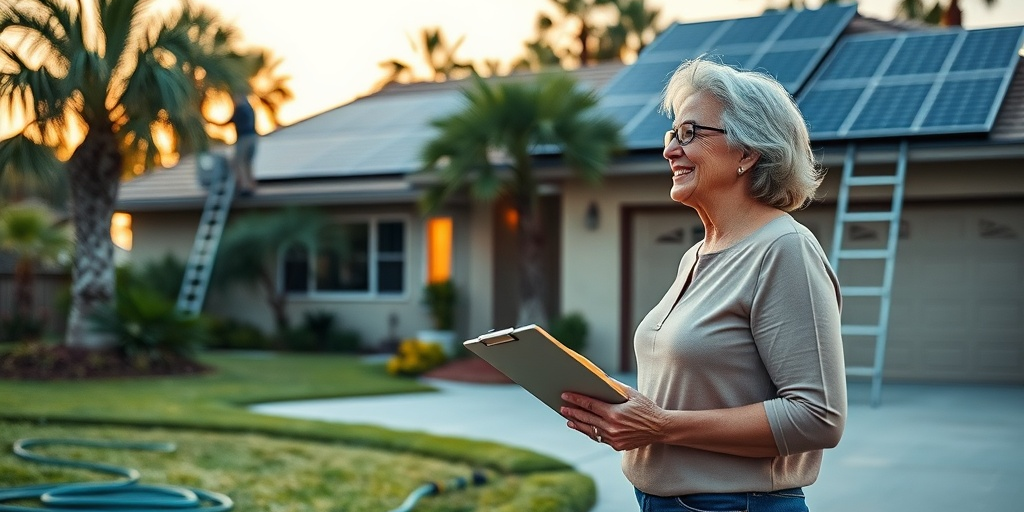
Imagine this: Florida homeowners are becoming their own power producers, harnessing sunlight to save on energy bills and contribute to a cleaner environment. Yet, despite the booming interest in solar energy, a persistent myth looms over potential buyers: the belief that “solar panel installation isn’t worth the investment.” In this comprehensive exploration of solar energy, we are set to shatter this myth and reveal the truth behind solar panel investment, particularly as we stride into 2025. Recent findings show that the average solar panel system can save a homeowner approximately $20,000 on energy costs over 20 years (SEIA.org), and with Florida’s abundant sunshine, the return on investment can be even greater. Additionally, Florida ranks third in the nation for solar installations, indicating that homeowners are recognizing the value of solar power (NEE). Why is it essential to address this myth now? As energy costs continue to climb—propelled by inflation and grid instability—shifting to solar is not just an advantage; it’s practically a necessity.
In this article, we will delve into five critical sections to anchor our narrative, empowering homeowners and commercial property owners to make informed decisions. First, we will dissect the myth of solar panel worthiness through a case study, showcasing a typical Florida family’s journey from skepticism to solar advocates. Then, we’ll provide a straightforward checklist of steps for evaluating and investing in solar. Following that, we will debunk several unfounded myths with solid research and statistics. We’ll zoom in on Florida’s unique circumstances and how local policies can support your solar investment. Finally, we’ll explore the technical aspects of modern solar systems so you can understand how they function and their economic benefits. Join us as we illuminate the path toward sustainable energy and gray out misconceptions about solar panel installation.
The Truth Behind Solar Panel Installation Worthiness
Many questions swirl around the viability of solar panel installation, especially in our sun-drenched state of Florida. But one family’s experience can provide clarity. Meet the McCarthy family from Tampa. Faced with rising utility costs, they were initially hesitant to invest in solar panels, convinced by the narrative that installation costs outweighed potential savings. Yet, after conducting thorough research and consulting experts at Florida Electric & Solar, they learned the truth: the investment in a solar panel system could not only offset their electric bills but provide a return that dwarfed their initial costs.
The McCarthys now enjoy monthly savings of $150 on their energy bill, translating into savings of nearly $1,800 a year. This adds up to a staggering $36,000 over the lifespan of their solar system. With Florida’s net metering policy, they were also able to sell excess energy back to the grid, further increasing their savings. Popular platforms project solar energy pricing to drop by about 15% by 2025 (SolarReviews.com), making it an even worse decision to ignore the advantages of solar now.
- Case Study Takeaway: By switching to solar, the McCarthys transformed their financial outlook, proving the initial investment was not just worth it, but instrumental in achieving financial stability.
The question then arises: how can others replicate this success? Below is a checklist of steps that potential solar buyers can take to make informed decisions.
Your Solar Installation Checklist
When delving into your potential solar journey, having a well-structured checklist can significantly streamline the process. Here’s your guide to ensure you cover all your bases:
- Step 1: Auditing Your Electricity Use
- Examine your electricity bills for the last 12 months. Calculate your monthly usage (kWh) to gauge your potential solar needs.
- Step 2: Determine Your Solar Eligibility
- Check for local or state solar incentives, rebates, or tax credits, which can significantly lower installation costs.
- Step 3: Research Qualified Installers
- Read reviews, ask for references, and request quotes from multiple certified contractors, ensuring they have experience with Florida installations.
- Step 4: Evaluate Financing Options
- Explore cash purchases, solar loans, or leases to find out which option ensures the best long-term savings for you.
- Step 5: Install and Enjoy
- Once you’ve chosen your preferred installer and finalized financing, it’s time to start the installation process. Make sure you understand the warranty and maintenance terms!
For more detailed guidance on each of these steps, feel free to explore our resources at floridaelectricandsolar.com.
Myth-Busting: Debunking the Misconceptions of Solar Investments
While the McCarthys made the leap to solar energy, they weren’t alone in their doubts. Across Florida, misconceptions about solar investment abound. Here are five common myths, thoroughly debunked:
- Myth #1: Solar Panels Are Too Expensive
Many believe the initial costs of solar installations are prohibitive. This notion overlooks the availability of financing options, tax credits, and the long-term savings achieved through reduced energy bills, which can often surpass the installation costs (NREL.gov).
- Myth #2: Solar Panels Only Work in Sunny Weather
A common misconception is that solar panels are ineffective on cloudy or rainy days. In reality, panels can still produce electricity in diffuse light, with many systems operating at efficiency levels of 60–80% in less-than-ideal conditions (Energy.gov).
- Myth #3: Solar Energy is Not Sustainable
Some argue that solar energy isn’t a reliable energy source compared to fossil fuels. However, advancements in battery storage technology allow solar energy to be stored effectively, ensuring a consistent power supply even at night (SolarReviews.com).
- Myth #4: Solar Panels Require Constant Maintenance
While solar panels do require periodic cleaning, they have no moving parts and are designed to withstand various weather conditions, making them incredibly low-maintenance (SEIA.org).
- Myth #5: You Can’t Sell Your Home with Solar Panels
Potential homebuyers often fear that solar panels could deter purchase offers. On the contrary, homes equipped with solar panels tend to sell 20% faster and for a premium, proving a wise investment for both current owners and future buyers (Zillow.com).
Understanding these myths is vital for Florida homeowners weighing the advantages of switching to solar power. With evidence on your side, you too can approach the idea of installation with confidence.
Florida’s Unique Solar Landscape
Understanding the local landscape is crucial to comprehending just how worthwhile solar panel investment can be. Florida’s solar policies and initiatives promote accessibility and affordability, making it one of the most attractive states in the nation for solar power investments.
- Net Metering: Florida’s net metering policy allows solar panel owners to receive credits for energy they feed back into the grid, dramatically speeding up the return on investment.
- Tax Incentives: Homeowners can benefit from the federal solar tax credit, which allows a deduction of 26% off the installation costs on federal taxes. Starting in 2023, this credit is set to decrease, so timely action can maximize savings.
- Incentivized Financing: Florida offers various financing programs supporting those who want to make the switch without upfront payments, such as PACE (Property Assessed Clean Energy) financing and other initiatives.
- SRECs (Solar Renewable Energy Certificates): Participating in solar energy programs can earn homeowners SRECs, essentially a payment for the clean energy produced, further enhancing long-term savings.
Taking advantage of these frameworks puts Florida homeowners ahead of the curve, positioning them well for environmental stewardship while making savvy financial choices.
Technical Deep-Dive: Understanding the Mechanics of Solar Power
To evaluate the investment potential effectively, it’s essential to comprehend how solar systems operate and their billing implications. Solar panels convert sunlight into electricity through photovoltaic cells. This process involves several components, including the inverter, batteries, and the grid connection.
- Photovoltaic Cells: These specially designed cells trap sunlight and convert it into direct current (DC) electricity. The more sunlight that hits the panels, the more energy they produce.
- Inverters: Inverters are essential for converting DC electricity into alternating current (AC), which is the standard electricity used in homes. Modern inverters provide data on energy production and system health, giving homeowners insight into their energy usage.
- Battery Storage: Integrating battery storage capability allows homeowners to store excess energy for use during cloudy days or nighttime, maximizing self-consumption and reducing dependency on the grid.
- Your Utility Bill: Understanding the billing structure with your utility company is key. Many solar users report a significant reduction in their monthly bills as they harness energy from their solar systems rather than relying solely on the grid.
For Florida homeowners considering this transition, knowing your utility’s structure and the intricacies of your solar system can make all the difference in fully understanding how to maximize savings.
Next Steps for Florida Solar Buyers in 2025
For those on the verge of investing in solar energy, taking decisive steps is crucial. Here’s a structured action plan to guide you through the significant decision-making process:
- Step 1: Analyze Your Electric Bill
Look through your utility bills over the past year to get an overview of your monthly energy usage. This will help determine the size of the solar panel system you’ll need.
- Step 2: Investigate Local Incentives
Research what rebates, tax credits, or state initiatives are available specifically for Florida residents. Taking advantage of these can significantly decrease your initial costs.
- Step 3: Schedule Consultations
Consider reaching out to multiple solar providers for quotes. Ask them about warranties and procedures and consult reviews to gauge their credibility.
- Step 4: Review Financing Options
Explore various financing methods. This could include direct purchase, loans, or leases, and evaluate which option serves your long-term financial goals best.
- Step 5: Installation and Monitoring
Once the financing and contractor are sorted out, schedule your installation. Post-installation, ensure you regularly monitor your system’s performance to maintain it effectively.
For expert insights on these steps, consider visiting floridaelectricandsolar.com.
As we wrap up this detailed exploration into solar panel investment validity, it’s clear that the journey into solar energy isn’t merely about dollars and cents. It’s about paving the way for energy independence, financial savings, and a cleaner environment. By dispelling the myth that “solar panel installation isn’t worth the investment,” we hope to inspire more Florida homeowners and commercial property owners to consider solar options seriously. The benefits of investing in solar power today will resonate as we step into 2025—and beyond.
Ready to start your solar journey in 2025? Connect with a certified expert at floridaelectricandsolar.com today.
Related Articles
More insights about Solar Panel

Florida Homeowners: Why Solar Panel Maintenance Is Essential

7 Essential Steps for Solar Panel Installation Success

Expert Insights: Key Factors Influencing Solar Panel Lifespan
Ready to Go Solar?
Have questions about solar energy? Our experts are here to help you make the switch to clean, renewable energy.