
Understanding Grid-Tied vs Off-Grid Systems: A Technical Deep-Dive
Share:
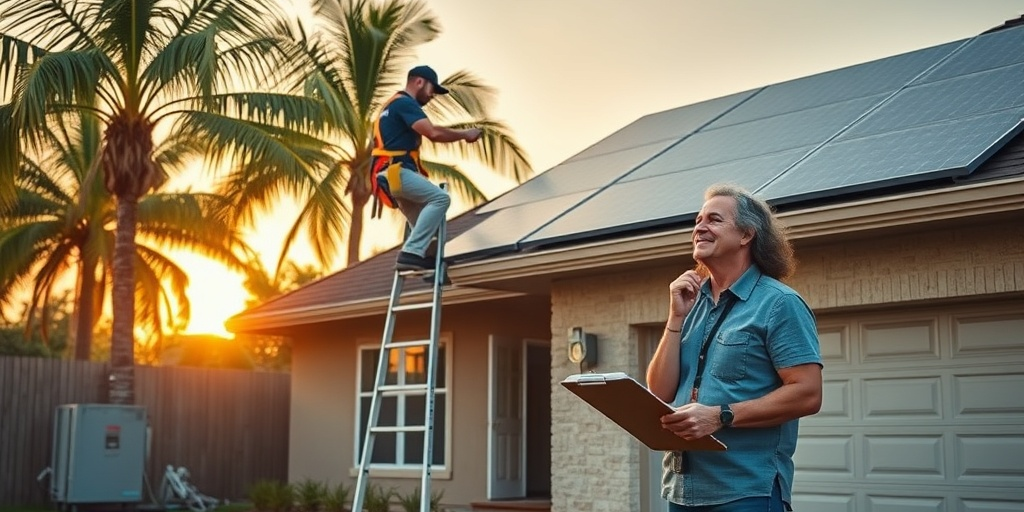
Did you know that in 2022, homeowners with solar power saved an average of $1,500 on their utility bills? As energy costs continue to climb, many Florida homeowners are exploring solar options to cut expenses and generate their own power. In this pivotal moment, understanding the intricacies of solar systems is essential. In this article, titled Understanding Grid-Tied vs Off-Grid Systems: A Technical Deep-Dive, we will explore the essential differences between grid-tied and off-grid solar systems. A staggering 60% of Floridians reported interest in adopting solar energy by 2025 due to rising utility costs and new benefits provided by state incentives (SEIA.org). With grid instability and increasing demand for renewable energy, now is the time to educate yourself about your solar investment.
We will uncover five main sections: first, a deep dive into the benefits and challenges of both grid-tied and off-grid systems through a set of real-life scenarios; next, a comprehensive checklist guiding your decision-making process; afterward, we’ll bust some myths surrounding these systems; then, we will focus on Florida-specific policies and statistics; finally, we’ll provide technical insights to deepen your understanding of how solar energy systems operate. By the end of this article, you’ll be armed with the knowledge to make an informed decision for your solar journey.
Unpacking the Differences Between Grid-Tied and Off-Grid Systems
Imagine living in a sun-soaked suburb of Tampa, where you splurged on a picturesque home with the perfect roof for solar panels. As a young couple, Sarah and James were enthralled by the idea of slashing their electric bill and minimizing their carbon footprint. After weighing their options, they discovered that there are mainly two types of solar energy systems available: grid-tied and off-grid systems. Each system offers unique advantages and challenges, making it crucial for solar enthusiasts like Sarah and James to understand their choices.
Case Study: Sarah and James were drawn to grid-tied systems due to their connectivity to the traditional power grid. By opting for this system, they anticipated lower upfront costs for installation—typically about 20% less than off-grid solutions—and greater flexibility in energy management. With net metering available in Florida, they could effectively sell back excess energy they generated, maximizing their monetary returns, particularly with the state’s current incentives that cover 26% of installation costs (DSIREUSA.org).
Checklist: If you’re considering solar energy, here’s a concise roadmap:
- Step 1: Assess Your Energy Needs – Evaluate your average monthly electricity usage to understand how much power you will need from a solar system.
- Step 2: Evaluate Your Roof – Ensure your roof is suitable for solar panel installation, focusing on size, orientation, and shading.
- Step 3: Research Available Incentives – Investigate current state and federal tax credits, rebates, and financing options available to Florida homeowners.
- Step 4: Determine Your Preferred System Type – Identify whether a grid-tied or off-grid system aligns with your energy goals and lifestyle.
- Step 5: Consult a Solar Installer – Reach out to professionals to get tailored advice and quotes for your specific situation.
Myth-Busting: As we consider these systems, it’s vital to address some common misconceptions.
- Myth #1: You can’t store energy in a grid-tied system. False: Grid-tied systems can use battery storage for emergencies, offering flexibility and reliability.
- Myth #2: Off-grid systems are only for remote locations. False: Many homeowners in suburban areas are turning to off-grid solutions for full energy independence and resilience.
- Myth #3: Solar panels work only in sunny states. False: While Florida’s bright sunshine is beneficial, solar technology can effectively harness energy across various climates.
Local Focus: With Florida setting the stage for solar energy, the prospects are promising. In 2023, the state is projected to reach 8,500 megawatts of installed solar capacity, which could power over 1 million homes (SolarReviews.com). With continued investments and favorable policies, now is an ideal time to jump into the solar market.
Technical Deep-Dive: Delving deeper into the technology behind solar systems reveals the key components that make them function effectively. Grid-tied systems typically include solar panels, inverters, and a connection to the utility grid. The inverter converts direct current (DC) from the solar panels into alternating current (AC), which can be used in your home. Off-grid systems, however, require an additional investment in battery storage—essentially a bank for your solar energy. These batteries store energy for usage when sunlight is limited, but they also require management and maintenance, making initial costs higher.
As you can see, understanding the significant components and mechanisms behind each system is essential for each Florida homeowner considering their solar options for 2025. The next stage in our exploration will be revealing further essential considerations that will influence your decision between grid-tied and off-grid systems.
Key Considerations When Choosing Your Solar System
Choosing between a grid-tied and off-grid solar system involves a multitude of components and factors integral to your lifestyle and financial goals. Each type caters to different needs, and thus we must unpack these elements to better inform your decision-making.
First and foremost, understanding your energy independence is essential. Are you aiming to minimize reliance on the grid or remain connected for reliability? Transitioning to off-grid solutions typically provides complete energy independence, but it requires a commitment to managing battery storage and energy consumption.
- Energy Costs: Analyzing your electric bills can indicate how much energy you need, shaping your decision on system size and type.
- Environmental Impact: Go off-grid to embrace complete renewable energy independence and minimize your carbon footprint; remain grid-tied to utilize net metering and lower emissions.
- Local Incentives: Florida homeowners can currently take advantage of tax credits and rebates—an integral part of the financial puzzle.
Additionally, the growing trend of battery technology supports the grid-tied debate. Battery technologies are constantly evolving. Investing in a battery system can be an affordable means to balance energy use and enhance resilience against outages, making grid-tied systems increasingly appealing. A recent study found that the cost of battery storage is decreasing by an estimated 10% each year (NREL.gov).
Furthermore, local utility regulations in Florida can impact your approach. For grid-tied systems, it’s essential to consult local regulations about net metering and the interconnection process to avoid any complications during installation. Some utility companies may impose additional fees for net metering, while others provide incentives for solar installations. It’s vital to research your specific utility provider’s policies to navigate this landscape effectively.
Lastly, consider geographical advantages. Florida’s climate offers a prime environment for solar energy consumption. With abundant sunshine, installing a solar energy system can yield excellent returns in energy savings and federal incentives, especially when you stay informed about policy shifts in 2025. Think about the potential for increased production during high-demand summer months, reducing your overall energy costs and contributing positively to the grid.
As we examine these points, we move towards “5 Expert Solar Installation Tips for 2025,” anchoring your understanding of what to consider when planning your solar journey in Florida.
5 Expert Solar Installation Tips for 2025
Embarking on your solar journey can be daunting, but knowing the best practices for installation can help ensure a simple and effective transition to solar energy. Here are five expert tips to keep in mind:
- Choose the Right Installer: Selecting a trustworthy and experienced solar installer is critical. Do thorough research and seek recommendations from friends and neighbors to collate a list of reputable options.
- Get Multiple Quotes: No two installations are the same. Obtain multiple quotes to compare costs associated with installation and ongoing services, ensuring you receive a fair deal.
- Prioritize Panel Placement: Don’t skimp on panel placement—they should be positioned for maximum exposure to sunlight. Often, directors will recommend a southern orientation on your roof.
- Assess Shading Issues: Ensure that your solar panels won’t be shaded by nearby trees or buildings, as shading can drastically reduce performance—consider trimming trees if necessary.
- Inquire About Warranties: Ask your installer about warranties related to the solar panels and invertors to protect your investment. Many reputable manufacturers offer extensive warranties covering parts for 25 years or more.
Knowledge is power; understanding each of these components will empower you to make educated choices and maximize your return on investment in solar technology. The next section will detail a compelling narrative about a fictional yet relatable Florida homeowner’s journey with solar energy. Their experiences illustrate the real-life implications of selecting the right system.
A Real Solar Journey: Sarah’s Transformation
Meet Sarah, a Florida resident who found herself burdened by ever-increasing energy bills. Living in a sun-kissed neighborhood near Orlando, she envisioned living sustainably and lessening her dependence on fossil fuels. Intrigued by the prospect of harnessing solar energy, Sarah began her research. However, she faced a dilemma: should she choose a grid-tied or off-grid system?
After multiple consultations and fare comparisons, Sarah settled on a grid-tied solar system. The ability to draw energy from the grid when her solar panels would fall short during the winter months appealed to her greatly, especially since her family planned to grow in the coming years, leading to additional energy needs.
After installation, Sarah’s solar panels became a point of pride, generating clean energy that powered her home. Her bills plummeted to a mere fraction of their previous costs—a staggering 70% reduction in overall monthly expenditures. Plus, she soon learned that her solar panels provided energy credits with the utility company, rewarding her for contributing to the energy grid during sunny days.
- Emotional Stability: The joy of nurturing her family, free from constant worries about electricity costs.
- Community Value: As her neighbors saw the panels shining brightly, they were inspired to explore solar solutions themselves.
- Long-Term Savings: With a favorable interest rate on financing, Sarah saw her return on investment grow significantly within the first year.
While Sarah’s decision made complete sense, it wasn’t without its challenges. After some initial hesitation, she learned to adjust her energy habits and embrace a lifestyle change, consciously monitoring her energy use. Yet, as she sipped lemonade on her porch, the sun glistened above her—she felt a deep sense of accomplishment. Each sunny day reinforced her decision and solidified her commitment to nurturing a sustainable future.
In conclusion, stories like Sarah’s illustrate how important it is to choose wisely between grid-tied and off-grid systems based on individual circumstances. As we head into 2025, the urgency for Floridians to make informed solar energy decisions becomes apparent.
Next Steps for Florida Solar Buyers in 2025
Ready to take the plunge into solar energy? Let’s shape an actionable plan designed to streamline your journey.
Step 1: Audit Your Electric Bill – Begin by carefully reviewing your recent electric statements. Identify patterns and calculate your average energy costs to establish a baseline for your solar system requirements.
Step 2: Research Available Systems – With your needs assessed, broaden your understanding of grid-tied and off-grid systems. This knowledge will guide your preference based on energy habits and long-term goals.
Step 3: Explore Financing Options – Investigate financing opportunities available for solar systems in Florida, including tax credits and state incentives. These can significantly cut the costs associated with installation.
Step 4: Connect with Installers – Reach out for consultations with local solar installers. Get estimates and inquire about warranties to protect your investment in the long term.
Step 5: Make an Informed Decision – Armed with knowledge, financial options, and professional advice, it’s time to commit to your solar journey. Schedule installation, and prepare to enjoy the benefits of clean, renewable energy.
In closing, seizing the opportunity to invest in solar energy not only benefits you financially — it benefits the broader community and environment. As you make this game-changing decision, why wait any longer?
Ready to start your solar journey in 2025? Connect with a certified expert at floridaelectricandsolar.com today.
Related Articles
More insights about Grid-Tied Systems

Grid-Tied vs Off-Grid Systems: What You Need to Know

Grid-Tied vs. Off-Grid Systems: The Essential Solar Comparison Guide

Technical Deep-Dive: Understanding Grid-Tied vs Off-Grid Solar Systems
Ready to Go Solar?
Have questions about solar energy? Our experts are here to help you make the switch to clean, renewable energy.