
Expert Insights on Solar Panel Installation for Florida Homeowners
Share:
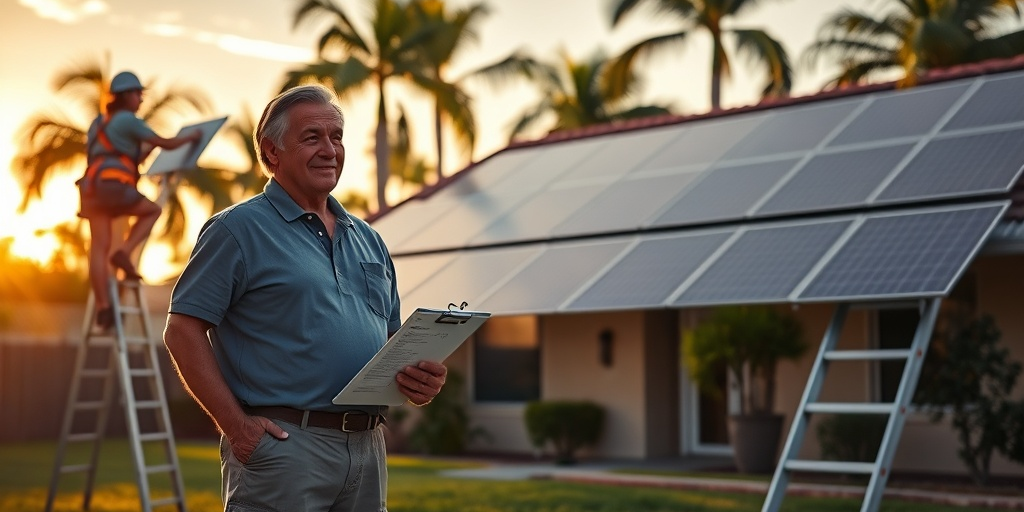
In Florida, the promise of solar energy shines brighter than ever. Did you know that in 2021, Florida ranked third in the nation for solar capacity, with over 5,000 megawatts installed? (SEIA.org). With the rising energy costs and new incentives in place, there’s never been a more opportune time to harness the sun’s power. This is especially critical as 2025 approaches, bringing potential changes in regulations and utility pricing that could impact homeowners and commercial property owners alike. Welcome to our blog titled Expert Insights on Solar Panel Installation for Florida Homeowners. Here, we aim to explore how proper installation can maximize efficiency, reduce your electric bills, and make the transition to solar energy both seamless and beneficial.
As homeowners and property owners dive into this journey, understanding the best practices and pitfalls to avoid becomes essential. In this comprehensive guide, we will cover:
- Section 1: The Real Story Behind Solar Panel Installation – An in-depth dive into a homeowner’s experience and what it means for you.
- Section 2: Essential Steps to Take Before Installation – A checklist of what to consider in preparation for your solar project.
- Section 3: Common Myths About Solar Energy – Debunking misconceptions that may deter you from making the switch.
- Section 4: Florida-Specific Insight into Solar Energy – Data and statistics that show how Florida’s climate and policies influence your solar choices.
- Section 5: Taking Action – Your Next Steps – A clear action plan for Florida homeowners in 2025.
Let’s get started on demystifying the journey towards solar energy in the Sunshine State.
Section 1: The Real Story Behind Solar Panel Installation in Florida
To illustrate the power of solar energy, let’s take a closer look at the journey of the Garcia family. Living in a charming suburban neighborhood in Orlando, they experienced soaring electric bills, sometimes exceeding $300 monthly during summer months. In search of solutions, they stumbled upon solar energy and decided to contact a local company for consultation. They were met with enthusiasm and expert knowledge, with professionals from Florida Electric & Solar guiding them through the installation process.
After deciding to go solar, the Garcias faced many considerations, such as panel placement, inverter selection, and financing options. Each step was filled with a range of emotions—from excitement at the thought of reducing their electric bill to concern over the upfront investment.
Here is a detailed checklist derived from their experience:
- Assess Your Energy Needs: Reviewing your electricity usage is essential — this will inform how many panels you’ll need and can help size the system appropriately.
- Research Solar Incentives: Florida incentivizes solar installations with programs like net metering and federal tax credits (Energy.gov).
- Choose the Right Installer: Look for certified professionals who have proven records. Check reviews on platforms like SolarReviews.com.
- Examine Your Roof Condition: Ensure that your roof can support the installation for years to come; a new roof may be needed before installation.
- Understand Financing Options: From full cash payments to loans and leases, consider what best fits your financial landscape.
Understanding these steps can make a significant difference in the success of your solar installation. Now, let’s dispel some common myths that may arise during your journey.
Section 2: Essential Steps to Take Before Installation
Before diving into installing solar panels, taking structured steps can help maximize your efficiency and savings. Here’s a checklist to guide you through:
- Step 1: Audit Your Electric Bill: Identify patterns and peak usage times. This will help you understand how much energy you need from your system.
- Step 2: Consult with Professionals: Find experienced solar installers who understand Florida regulations and weather conditions.
- Step 3: Consider Roof Orientation: Ideally, your roof should face south or west for maximum sun exposure, so assess your home’s layout.
- Step 4: Explore Net Metering Policies: Familiarize yourself with local utility policies that offer credits for excess energy produced.
- Step 5: Review Financing Options: Whether through financing or purchase, understanding your options can help you plan for sustainable savings.
According to the Solar Energy Industries Association, Florida homeowners can save an average of $20,000 over the lifetime of their solar energy systems (SEIA.org). This clarity will arm you against potential challenges encountered in the installation process.
Section 3: Common Myths About Solar Energy
Solar energy is surrounded by myths that can lead to missed opportunities or fears that prevent homeowners from making the leap. Let’s separate fact from fiction:
- Myth #1: Solar Panels Are Too Expensive: While initial installation might seem high, the long-term savings far outweigh these costs. Additionally, financial incentives can offset upfront costs, making it more accessible.
- Myth #2: Solar Panels are Ineffective on Cloudy Days: Florida, known for its sunny weather, still allows solar panels to generate a considerable amount of electricity even during cloudy conditions.
- Myth #3: Only Large Homes Can Benefit: Solar panels come in various sizes, and even smaller systems can dramatically reduce electric bills and carbon footprints.
- Myth #4: Solar Energy Isn’t Reliable: With advancements in battery storage, homeowners can store energy generated during the day for use during nighttime.
- Myth #5: Solar Installation is Complicated: With professional installers, the process is usually straightforward, and homeowners don’t need extensive knowledge about electricity to make informed decisions.
Understanding these myths can empower you to make educated choices about going solar. As we dive deeper, let’s explore how Florida-specific factors influence solar energy adoption.
Section 4: Florida-Specific Insight into Solar Energy
Florida is not only widely recognized as the Sunshine State; it also has a unique landscape for solar energy adoption. The state’s climate is highly favorable with an average of 237 sunny days annually (NREL.gov). This translates to significant potential for energy generation through solar panels.
Here are some key points to consider:
- Incentives and Rebates: Florida homeowners can benefit from the federal solar tax credit, which allows for a 26% deduction on taxes for systems installed before 2023, reducing to 22% in 2025 (Energy.gov).
- Net Metering: Available in many Florida utilities, net metering policies allow you to receive credits for excess energy produced, making solar financially advantageous.
- Local Regulations: Each municipality has different permitting requirements and installation guidelines. Stay informed by checking with local authorities.
- Impact of Utility Rate Plans: Florida’s utility companies may offer different rates based on time of use. By going solar, homeowners can better optimize their usage and save on high-rate hours.
By understanding these Florida-specific factors, you can leverage local incentives and policies that can enhance your solar investment. Now, let’s look into essential action steps to take in your solar journey for 2025.
Section 5: Taking Action – Your Next Steps
Your journey into the world of solar energy begins here, and knowing the right steps to take can make all the difference. Here’s a detailed action plan designed for Florida homeowners:
- Step 1: Audit Your Electric Bill: Begin by assessing your monthly electric consumption and identifying trends. This sets a baseline for your expected solar energy requirements.
- Step 2: Research and Select Reputable Installers: Gather quotes, compare products, and read reviews. Verify their licenses and experience in the Florida market.
- Step 3: Schedule a Site Survey: Have professionals evaluate your property to determine optimal panel placement and system size.
- Step 4: Make Informed Purchasing Decisions: Evaluate financing options that suit your financial model—whether through loans, leases, or outright purchase.
- Step 5: Review Installation and Aftercare Plans: Verify warranties, maintenance plans, and response times for issues post-installation.
The urgency of making informed decisions cannot be overstated, especially as energy rates fluctuate in Florida and the federal incentives change. Investing in solar panels is a long-term commitment, so making these initial steps thorough and well-considered can yield dividends for years to come.
In summary, transforming your home with solar energy is a journey worth taking. With the insights shared in this article, you are better equipped to embark on that journey. We’ve explored a detailed case study, debunked common myths, focused on Florida-specific opportunities, and laid out an actionable plan for you.
Ready to start your solar journey in 2025? Connect with a certified expert at floridaelectricandsolar.com today.
Related Articles
More insights about Solar Panel

Florida Homeowners: Why Solar Panel Maintenance Is Essential

7 Essential Steps for Solar Panel Installation Success

Expert Insights: Key Factors Influencing Solar Panel Lifespan
Ready to Go Solar?
Have questions about solar energy? Our experts are here to help you make the switch to clean, renewable energy.