
A Technical Deep-Dive on Solar Panel Installation Challenges
Share:
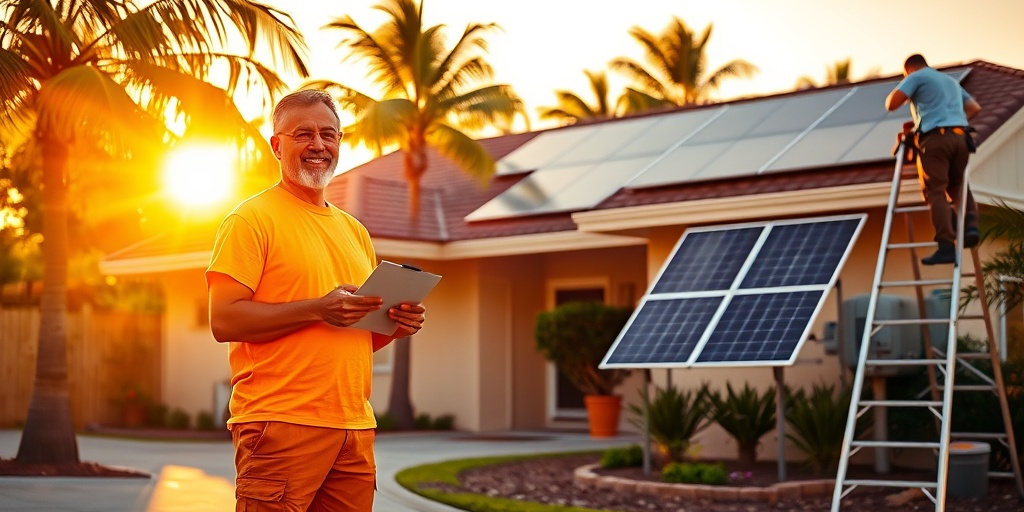
In 2025, the world of solar energy looks both promising and complex for Florida homeowners and commercial property owners. Did you know that according to the Solar Energy Industries Association, solar energy accounted for nearly 29% of all new electricity generation in 2023? This eye-opening statistic underscores the growing centrality of solar power in our energy landscape. However, despite this momentum, challenges remain in the installation process, often leaving potential solar adopters feeling overwhelmed. This blog post, titled A Technical Deep-Dive on Solar Panel Installation Challenges, aims to illuminate these hurdles and equip you with practical knowledge to navigate them successfully. For example, a staggering 62% of homeowners cite installation costs as a significant barrier to going solar (SolarReviews.com). As energy costs rise, understanding these obstacles becomes increasingly urgent. Today, we will break down this topic into five informative sections, exploring real-life stories, actionable checklists, debunking myths, focusing on Florida-specific data, and delving deep into technical aspects of solar installations.
Understanding the Complex Nature of Solar Panel Installations
The journey of solar panel installation can be likened to a roller coaster—a thrilling ride filled with exhilarating highs and looming challenges. Consider Laura, a Florida homeowner excited about harnessing solar energy to reduce her soaring electric bills. Initially, she envisioned solar as a hassle-free investment, yet soon discovered that the process was littered with complexities. Laura faced a myriad of challenges: from choosing the right solar panels and navigating financing options to ensuring her roof was suitable for installation. The emotional weight of her decision unfolded with each new challenge. This narrative is not unique; many Florida homeowners find themselves in similar situations as they embark on their solar journeys.
Here, we present a checklist of factors you should consider to avoid pitfalls like Laura faced:
- Assess Your Roof’s Condition – Ensure your roof can support solar panels. If not, you may need to budget for repairs.
- Understand Local Regulations – Familiarize yourself with Florida’s solar policies, such as net metering and permitting requirements.
- Select the Right Solar Technology – Different types of solar panels can affect your overall energy savings.
- Research Financing Options – Whether leasing or purchasing outright, understanding your payment options can impact your financial commitment.
- Choose a Reputable Installer – Vet installers thoroughly to ensure quality workmanship and reliability.
Finally, let’s tackle some common myths that often contribute to the confusion surrounding solar panel installations.
Debunking Misconceptions About Solar Installation
Myth #1: Solar Panels Won’t Work in Florida
This is a common misconception. Florida is known as the “Sunshine State” for good reason. In fact, according to the National Renewable Energy Laboratory, Florida ranks among the top states for solar energy potential, meaning solar panels can generate consistent and effective energy output year-round.
Myth #2: Installation is Always Expensive
Many believe solar installations will cost them a fortune. However, various incentives and financing options, such as tax credits and solar loans, can significantly offset the initial investment, making it more affordable than you’d think (SEIA.org).
Myth #3: All Solar Panels Are the Same
While many people think solar technology is one-size-fits-all, it’s crucial to understand that not all panels are created equal. Efficiency, durability, and warranty options vary, which can ultimately affect the performance of your solar system.
Myth #4: Solar Energy is Not Reliable
Some skeptics argue that solar energy is unreliable due to its dependence on sunlight. However, with recent advancements in battery storage technology, homeowners can store excess energy generated during peak hours for use during cloudy days or nighttime.
Myth #5: You Need to Be Energy Independent to Go Solar
Many believe that going solar means you must completely rely on self-generated power. In reality, homeowners can still connect to the grid, alleviating any fears about energy shortages.
Now that we’ve dispelled these common myths, let’s turn our focus to the advantages of understanding local and state policies governing solar energy installations in Florida.
Florida-Specific Solar Policies and Considerations
When considering solar panel installations, one cannot ignore the local context. Florida has become a game-changer for solar energy thanks to several progressive policies and incentives. Here’s a closer look:
- Net Metering – A policy allowing homeowners to sell excess electricity generated back to the grid, reducing monthly bills and extending the payback period for initial investments.
- Property Tax Exemptions – Solar energy systems are exempt from property taxes in Florida, meaning you can enjoy the full value of your solar investment without worrying about increased assessments.
- Federal Tax Credit – Under the Federal Investment Tax Credit, homeowners installing solar in 2025 can claim 30% of the total cost taken off their tax liability (Energy.gov).
- State Solar Rebates – Several local utilities offer rebates to homeowners who install solar, incentivizing adoption while bringing down installation costs.
- Permitting Regulations – Understanding local permitting processes is crucial; they can differ significantly between counties.
These policies not only facilitate the solar transition but also emphasize Florida’s commitment to renewable energy. Understanding these local provisions can be a decisive factor in your solar journey.
5 Expert Tips for Solar Installation Success in 2025
Dealing with the complexities of solar panel installation can be daunting. However, the right strategies can guide you through the process and enhance your solar experience significantly. Here are five expert tips to consider:
- Don’t Skimp on Panel Placement – Optimal placement can increase panel efficiency. Ensure your panels receive direct sunlight for the most days of the year.
- Work with Qualified Professionals – Partner with reputable solar installers who are well-versed in local policies to ensure compliance and efficiency.
- Consider Battery Storage Solutions – Investing in a battery storage system adds reliability and stability to your solar energy usage.
- Maintain Your System – Regular service checks can help detect issues early, ensuring your system operates at peak performance.
- Analyze Your Energy Needs – Assess your historic energy usage patterns to choose the right system size tailored to your consumption needs.
Implementing these expert tips can empower you, ensuring that your solar journey is rewarding and smooth. However, even with the best strategies, the emotional side of going solar cannot be ignored. So where does this leave many homeowners? Let’s explore a hypothetical journey to understand how real emotions intertwine with solar adoption.
The Emotional Journey of a Hypothetical Florida Homeowner
Imagine Sara, a thirty-five-year-old teacher from the suburbs of Orlando. Inspired by her passionate advocacy for environmental issues, she decides to install solar panels on her home. Initially, Sara feels a sense of pride and excitement, knowing she is taking a significant step towards sustainability. However, as she approaches the installation process, her emotional outlook shifts. For her, fear and confusion begin to cloud her optimism.
To channel her concerns effectively, Sara begins by addressing the following:
- Research Options – She spends hours reading online reviews of various solar installers, hoping to find the right partner.
- Financial Feasibility – She consults a financial advisor to better understand her budget constraints and the available financial incentives.
- Community Engagement – Sara seeks out opinions from local friends and neighbors who have already gone solar to get firsthand experiences and recommendations.
- Technical Education – She researches the components of her solar system, such as inverter and battery technologies, to answer her technical questions.
Ultimately, Sara’s determination enables her to navigate these emotional hurdles, leading her to make an informed decision. She finds a local installer she trusts and receives the support she needs to feel reassured throughout the process. Just like Sara, many Floridians may face emotional ups and downs as they explore the options available for solar power.
Next Steps for Florida Solar Buyers in 2025
With an understanding of challenges and strategies laid out, it’s time to take concrete steps towards your solar journey. The following checklist outlines the key actions you should consider:
- Step 1: Audit Your Electric Bill
Gather recent electric bills and analyze your consumption patterns. Identifying peak usage times can help determine your solar needs. - Step 2: Research Local Installers
Vetting local solar installers can save you frustration down the road. Seek out contractors with good reviews and warranties. - Step 3: Understand the Financing
Explore various financing options, including solar leases and loans, to understand what fits your budget best. - Step 4: Schedule a Site Visit
Invite installers to survey your property. They can identify the best layout and suggest adjustments if needed. - Step 5: Work with Experts
Connect with professionals who can help guide the entire process and answer your questions along the way.
Following these steps can reduce your anxiety and enable you to feel empowered as you proceed toward solar adoption. To further assist you, please feel free to reach out to a certified expert at floridaelectricandsolar.com for personalized guidance tailored to your specific needs.
As we draw to a close, let’s recap your journey through the world of solar panel installation challenges. Not only have you learned about the complex aspects of solar installation but also about the real emotional toll it can take and the importance of local policies.
Solar energy is not merely a means to cut electric bills; it’s an opportunity to channel your values of sustainability and energy independence into reality. The insights gained from this article can empower Florida homeowners like you to overcome hurdles and successfully transition towards solar energy. Are you ready to start your solar journey in 2025? Connect with a certified expert at floridaelectricandsolar.com today.
Related Articles
More insights about Solar Panel

Florida Homeowners: Why Solar Panel Maintenance Is Essential

7 Essential Steps for Solar Panel Installation Success

Expert Insights: Key Factors Influencing Solar Panel Lifespan
Ready to Go Solar?
Have questions about solar energy? Our experts are here to help you make the switch to clean, renewable energy.