
Don’t Wait: Critical Mistakes with Solar Panel Installation
Share:
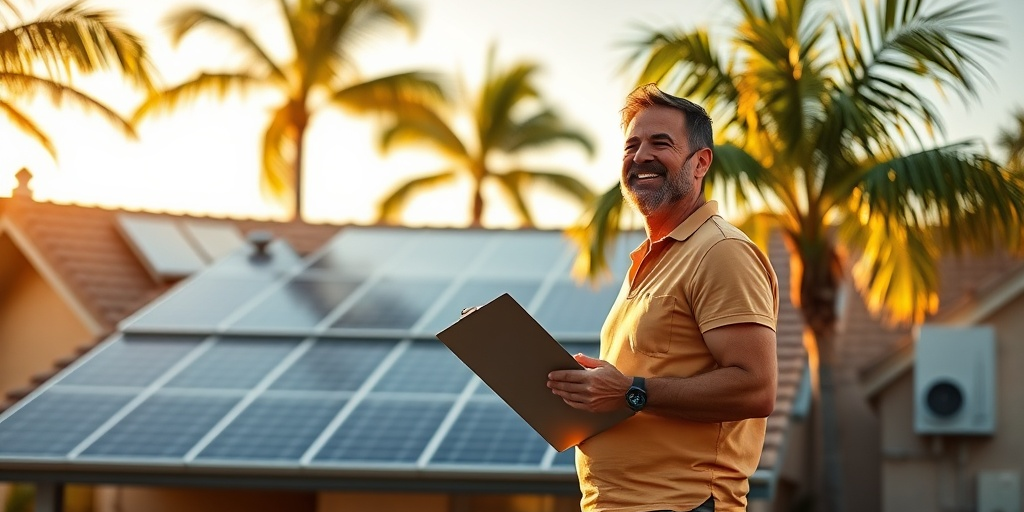
When it comes to solar panel installation in Florida, time is of the essence. In a world where energy prices are rising annually—approximately 4% over the past decade, leaving many families burdened with high electricity bills—making informed decisions about solar energy has never been more crucial. In fact, homeowners can save over $1,000 a year by switching to solar power (Energy.gov). Don’t overlook crucial details in solar panel installation—avoid costly mistakes by learning key insights in “Don’t Wait: Critical Mistakes with Solar Panel Installation.” This topic is particularly urgent in 2025, as new incentives and policies are emerging that could radically alter the solar landscape in Florida, potentially reducing the cost of installation for many homeowners. In this comprehensive guide, we’ll dive into common pitfalls to avoid when considering solar installation. Here’s what you can expect in the sections that follow:
1. A gripping case study demonstrating the repercussions of poor planning.
2. A checklist of action items to guide your solar journey.
3. Debunking myths that might keep you from embracing solar.
4. A local focus examining Florida-specific data and trends.
5. A deep-dive into the technical nuances of solar energy systems.
Critical Mistakes in Solar Panel Installation: A Cautionary Tale
Imagine a sunny afternoon in the heart of Florida. The Johnson family, feeling overwhelmed by their recurring electric bills, decided 2025 was the year they would finally invest in solar energy. Armed with research and excitement, they rushed into signing a contract with a solar installer. But here’s the catch—the hasty decision would soon be marred by critical mistakes that could have been avoided. The installer’s team miscalculated their energy needs, leading to a setup that was incapable of meeting their family’s demands, leaving them constantly frustrated and paying extra costs instead of enjoying savings.
This isn’t just a hypothetical story; it reflects a reality for many homeowners who don’t prioritize careful planning when going solar. To help you avoid this fate, here are some steps you should consider:
- Conduct a detailed assessment of energy needs—What are your actual energy consumption patterns?
- Plan installation during optimal seasons—Scheduling during ideal weather conditions can save time and costs.
- Choose reputable local contractors—Research installers with proven records for quality work in your area.
- Inquire about warranties and maintenance—A well-structured plan can avoid unnecessary repairs later on.
- Understand financing options and incentives—Many go unnoticed, but they can drastically minimize upfront costs.
According to a report from the Solar Energy Industries Association, Florida ranks among the top five states in solar capacity, making it an excellent candidate for residential installations (SEIA.org). That said, not every installation results in smooth sailing. The Johnsons could have greatly benefited from this knowledge, steering their journey toward success instead of disillusionment.
Myth #1: High Initial Costs Make Solar Impractical
While upfront costs can be significant, various financing solutions are available to reduce the burden. Whether through loans, leases, or power purchase agreements, there’s likely an option that aligns with your financial goals.
Myth #2: Solar Panels Are Ineffective in Cloudy Weather
Though sunlight intensity decreases during rainy days, solar panels can still harness energy effectively, generating up to 20% of their typical output in cloudy conditions (NREL.gov).
Myth #3: Solar Panels Require Extensive Maintenance
In reality, maintenance is minimal. A professional checkup annually and routine cleaning can keep everything running smoothly.
Myth #4: Solar Energy Systems Reduce Property Values
Contrary to this belief, studies show that homes with solar panels often sell for more than those without them (SolarReviews.com).
Myth #5: Solar Power Is Only for New Homes
Older homes can also invest in solar without major renovations, thanks to technology that can adapt to existing structures.
Now that we’ve tackled misconceptions and examined the Johnsons’ story, it’s clear that any potential solar buyer should remain vigilant against impulsive decisions.
Your 5-Step Checklist to Avoid Critical Solar Installation Mistakes
Purchasing and installing solar panels can indeed transform your energy landscape, but a structured approach ensures the best outcome. Here’s a definitive checklist to keep you on track:
- Step 1: Audit Your Energy Bill
Thoroughly review past bills to understand your average monthly usage and seasonal fluctuations. This foundational knowledge will help your installer recommend appropriate systems. - Step 2: Research Local Solar Laws
Regulations vary by location; knowing these can prevent future headaches or legal issues. Florida homeowners should familiarize themselves with the Solar Rights Act, which protects their right to install solar energy systems. - Step 3: Compare Multiple Installers
Don’t settle on the first quote you receive. Review at least three estimates and check the installers’ online reviews, ensuring they have satisfactory ratings. - Step 4: Verify Quality Standards
Check if the products used by your installer meet industry performance and warranty standards. Look for equipment that has been certified by organizations like the International Electrotechnical Commission. - Step 5: Consider Future Energy Needs
Plan for potential energy expansion due to electric vehicles, pool pumps, or other appliances. Consulting with your installer about capacity will prevent excess costs in the future.
By following these steps, many Florida homeowners can dodge the frequent blunders associated with solar installation. Florida Electric & Solar encourages smart energy management and is ready to assist your transition to solar with expertise and integrity.
5 Expert Solar Installation Tips for 2025
As more Florida homeowners are making the switch to solar energy in 2025, it’s paramount to stay ahead of the curve by adhering to best practices. Here are some expert recommendations to guide your journey:
- Choose the right solar panel technology: Confusion often arises between different solar technology options, like monocrystalline, polycrystalline, and thin-film panels. Each has its pros and cons, and your choice should align with your specific needs.
- Optimize panel placement: Don’t skimp on panel placement! Assess roof space carefully to maximize sun exposure and energy production. Factors like shading from nearby trees should be part of the evaluation.
- Understand inverter types: The inverter’s role is crucial in converting solar energy into usable electricity. Choose between string inverters, microinverters, or power optimizers, based on efficiency and budget needs.
- Utilize battery storage wisely: If your budget allows, consider adding battery storage. This can be a game-changer for energy independence, enabling you to store excess energy generated for use at night.
- Take advantage of state incentives: Florida homeowners may be eligible for federal tax credits and state rebates, significantly reducing installation costs. Stay updated on deadlines and requirements to take full advantage.
With these best practices, the Johnson family learned the hard way how critical attention to these details can be for success. Ensuring you know these elements can convert your solar venture into the energy solution you desire.
The Solar Journey of the Martinez Family: Bright Futures Ahead
Let’s delve into the solar journey of the Martinez family, a fictional yet relatable representation of typical Florida homeowners. Starting their quest to go solar in early 2025, they meticulously researched options, leveraging resources available online and local consultations. Through the process, they made strides based on the following actions:
- Finding a trusted contractor: They focused on local companies with positive reviews and accreditation.
- Understanding financial options: The couple evaluated different financing plans to see which fit their financial goals best.
- Surveying the roof: They completed a detailed roof assessment with an installer to ensure perfect conditions for solar energy capture.
- Learning about net metering policies: Understanding these policies in Florida helped them anticipate savings and earnings from excess energy fed back to the grid.
The Martinez family benefitted tremendously from their thorough preparation, ultimately leading to decisions that enhanced their comfort and financial wellbeing. Their story is a testament to what can happen when you approach solar energy with caution and planning, thereby avoiding the regrets that come with impulsive choices.
Research from SolarPowerWorld.org states that nearly 40% of residential solar projects face installation delays due to improper planning, which could easily be avoided (SolarPowerWorld.org). Clearly, patience and foresight can lead to more rewarding experiences.
Next Steps for Florida Solar Buyers in 2025
Ready to take your first steps towards adopting solar energy? Here’s a practical guide to keep you organized and ready:
- Step 1: Conduct an Audit of Your Electric Bill
Make a thorough assessment of your electric bill for the last year. This will provide essential figures for your energy requirements. - Step 2: Research Local Solar Installers
Find and compare local installers focused on solar energy solutions in Florida. Reviews, testimonials, and history should guide your comparisons. - Step 3: Schedule Consultations
Contact and schedule consultations with your chosen installers. Use this time to ask detailed questions about their services, efficiency ratings, and overall process. - Step 4: Review Quotes and Financing Options
Obtain and examine installation quotes in detail. Discuss financing options to explore what works best. A discussion about incentives is also essential. - Step 5: Confirm Your Installation Plan
Once satisfied with quotes, confirm your installation plan and timeline. Stay involved throughout the installation process to ensure everything runs smoothly.
Taking these careful steps will simplify your pathway to solar energy and help you secure peace of mind while making this critical decision. As Florida continues to lead in the solar sector, ensure your journey is based on informed choices.
In conclusion, understanding and avoiding critical mistakes in solar installation is essential for homeowners. The stakes are high, as your family’s comfort, finances, and even environmental impact are in play. By reviewing case studies, evaluating checklists, debunking myths, examining localized concerns, and embracing best practices, you arm yourself with the tools necessary to ensure an effective transition to solar energy. The urgency to act has never been clearer, and your time to harness solar energy is now.
Ready to start your solar journey in 2025? Connect with a certified expert at floridaelectricandsolar.com today.
Related Articles
More insights about Solar Panel

Florida Homeowners: Why Solar Panel Maintenance Is Essential

7 Essential Steps for Solar Panel Installation Success

Expert Insights: Key Factors Influencing Solar Panel Lifespan
Ready to Go Solar?
Have questions about solar energy? Our experts are here to help you make the switch to clean, renewable energy.