
5 Steps to Maximize Your Solar Panel Maintenance Efficiency
Share:
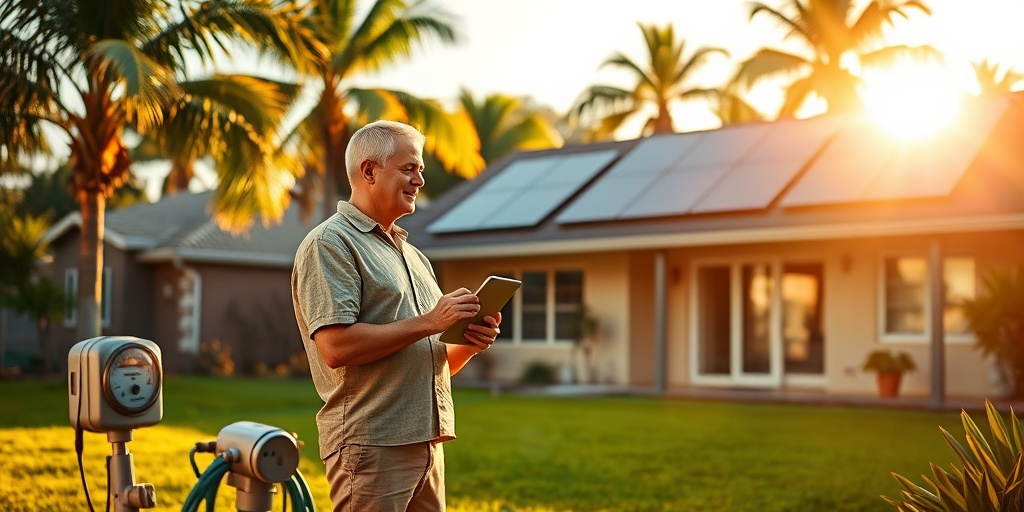
As energy consumption continues to rise, many Florida homeowners are seeking sustainable solutions to combat increasing utility bills. Did you know that solar energy can reduce your electric bill by an average of 50%? With the cost of traditional electricity climbing steadily, adopting solar power is not just a trend; it’s becoming an essential financial decision for homeowners and businesses alike. In fact, it’s estimated that solar energy installations will increase by a staggering 30% in 2025 (Energy.gov). This is where our blog title comes into play: 5 Steps to Maximize Your Solar Panel Maintenance Efficiency. By focusing on these actionable steps, you can ensure that your solar panels operate at peak performance, ultimately maximizing your savings and investment. Not only does effective maintenance prolong the life and efficiency of your solar panels, but it also guards against unforeseen repair costs. In 2025, as more households make the switch to solar power, understanding how to maintain your system efficiently will be crucial for securing your financial future. We will explore five upcoming sections that will help you become more adept at managing your solar panel systems—from actionable checklists to in-depth technical insights, creating a powerful foundation for your solar journey.
Understanding Solar Panel Maintenance: A Case Study
Consider the story of Susan, a Florida homeowner who installed solar panels to save on utility costs. Excited about her new energy independence, she diligently ensured that the solar panels were installed correctly. However, as the months went by, Susan noticed a gradual decline in her energy savings. Her panels weren’t producing as efficiently as they once had, and she was left scratching her head. After consulting her solar installer, she learned a harsh truth: maintenance was critical for long-term efficiency. This common situation can happen to many solar panel users—failure to conduct routine maintenance can set back your investment significantly. To prevent this from happening to you, here’s a maintenance checklist to follow every year:
- Step 1: Regular Cleaning – Dust, dirt, and debris can block sunlight from reaching your solar panels, reducing efficiency. Cleaning them bi-annually improves energy output by up to 20% (SEIA.org).
- Step 2: Monthly Inspections – Check for shading from trees, roofs, or other buildings that could hinder your system’s performance. The positioning of your panels can drastically affect energy absorption.
- Step 3: Professional Assessments – Schedule yearly audits with certified professionals to identify potential issues. Utilizing local experts ensures customized advice tailored to Florida’s unique climate (floridaelectricandsolar.com).
- Step 4: Monitor Energy Output – Check your system’s monitoring app regularly to catch any discrepancies in energy output. An unexpected drop could signal that maintenance is required.
- Step 5: Battery Maintenance – If you have a battery storage system, follow the manufacturer’s guidelines for regular checks. A healthy battery extends the overall life of your solar energy system.
While the romanticism of solar energy often overshadows the required upkeep, understanding these tasks, like Susan did, can ensure you don’t fall victim to reduced efficiency. Additionally, addressing the myth that solar panels require little to no maintenance can help homeowners form realistic expectations.
Myth-Busting Solar Maintenance
Myth #1: Solar Panels Are Maintenance-Free. Many believe once solar panels are installed, they require no further attention. This could not be further from the truth. In reality, systems require periodic cleaning and inspections to maximize efficiency (Energy.gov).
Myth #2: Rain Cleans Solar Panels. It’s a common misconception that rain alone is sufficient for panel cleaning. While rain can help clear away minor debris, heavy dust and dirt often require manual cleaning efforts to maintain optimal functionality.
Myth #3: It’s Too Late to Start Maintenance. Homeowners often ignore their installations until they notice a performance drop. It’s crucial to start maintenance routines from day one to avoid more significant issues.
Myth #4: DIY Maintenance Is Adequate. While DIY inspections may help, professional assessments are necessary to ensure that subtle issues don’t go unnoticed and snowball into larger problems.
Myth #5: All Solar Systems Require the Same Maintenance. Solar systems differ widely based on installation methods and local climates. Therefore, Florida-specific adjustments might be necessary to maintain efficiency, as our humid conditions can require different attention than drier areas (SolarReviews.com).
By dispelling these myths, homeowners can approach solar energy with a more informed mindset, paving the way for effective and sustainable energy production.
Best Practices for Solar Installation Maintenance
5 Effective Solar Maintenance Practices for 2025. As you define your solar journey, it’s essential to embed best practices into your maintenance routine. Here are five expert tips that can enhance the longevity and efficiency of your solar system:
- 1. Prioritize Orientation: The installation angle of your solar panels can make or break their efficiency. Ensure they are positioned to capture maximum sunlight.
- 2. Utilize Real-Time Data: Take advantage of smart technologies to monitor energy output. Many systems feature apps that provide updates on how much energy you’re generating.
- 3. Engage Local Experts: Collaborating with Florida-specific solar professionals will yield personalized insights. Local climate conditions can heavily influence performance and required maintenance.
- 4. Behavior Adjustments: Adjust your energy consumption patterns based on your solar production. For instance, running high-demand appliances during peak sunlight hours can optimize savings.
- 5. Consider Expanding to Battery Storage: Energy storage solutions can enhance energy independence. Getting acquainted with battery technologies can help you effectively manage your energy needs.
These practices not only enhance performance but can also significantly extend the life cycle of your investment. Understanding your system’s needs is an integral part of achieving a sustainable energy solution.
The Importance of Professional Maintenance Assessments
Over time, environmental conditions and system wear can lead to decreased efficiency in solar power systems. To mitigate such challenges, a proactive approach to maintenance is key. Professionals will assess your solar panels, batteries, and inverters for operating efficiency, which ensures that your system performs optimally. Here are four primary aspects professionals will typically evaluate:
- 1. Inspecting Solar Panels: Technicians will check for dirt, cracks, or damage that could impair sunlight absorption, mitigating efficiency.
- 2. Evaluating Inverter Performance: The inverter plays a crucial role in converting the direct current (DC) generated by your solar panels into usable alternating current (AC). Professionals will verify it is functioning correctly.
- 3. Battery Health Checks: If your solar system employs batteries, professionals will assess charge cycles and overall battery health, protecting against costly replacements.
- 4. Code Compliance: Ensuring compliance with local solar legislation is essential to maintaining system efficiency and legality. Improper installation or maintenance that falls short of local codes can lead to penalties.
In Florida, understanding current solar policies can give homeowners an edge in selecting suitable solar solutions, ensuring they take full advantage of available incentives. As the solar market grows, staying updated will empower homeowners to make informed decisions about their solar energy systems.
Next Steps for Florida Solar Buyers in 2025
As we conclude this educational journey, let’s emphasize actionable steps to empower your solar decision-making. Step 1: Audit Your Electric Bill – Scrutinize your monthly bills to establish a baseline of your current energy usage and expenses. Step 2: Research Available Incentives – Prioritize learning about local and federal incentives designed for solar installations, offering financial relief. Step 3: Consult Local Experts – Engage with solar professionals who understand Florida’s climate and regulations to receive tailored advice. Step 4: Invest in Quality Products – Not all solar products are created equal; consider reliability and efficiency ratings when making your choice. Step 5: Plan for Maintenance – Establish a proactive maintenance schedule upfront to ensure ongoing efficiency for your solar system.
By following this outline, you can create a solar strategy that not only meets today’s needs but also sets you up for efficiency and savings in the years to come. Ready to start your solar journey in 2025? Connect with a certified expert at floridaelectricandsolar.com today.
Related Articles
More insights about Solar Panel

Florida Homeowners: Why Solar Panel Maintenance Is Essential

7 Essential Steps for Solar Panel Installation Success

Expert Insights: Key Factors Influencing Solar Panel Lifespan
Ready to Go Solar?
Have questions about solar energy? Our experts are here to help you make the switch to clean, renewable energy.