
Understanding Solar Panel Lifespan: Key Factors That Impact Performance
Share:
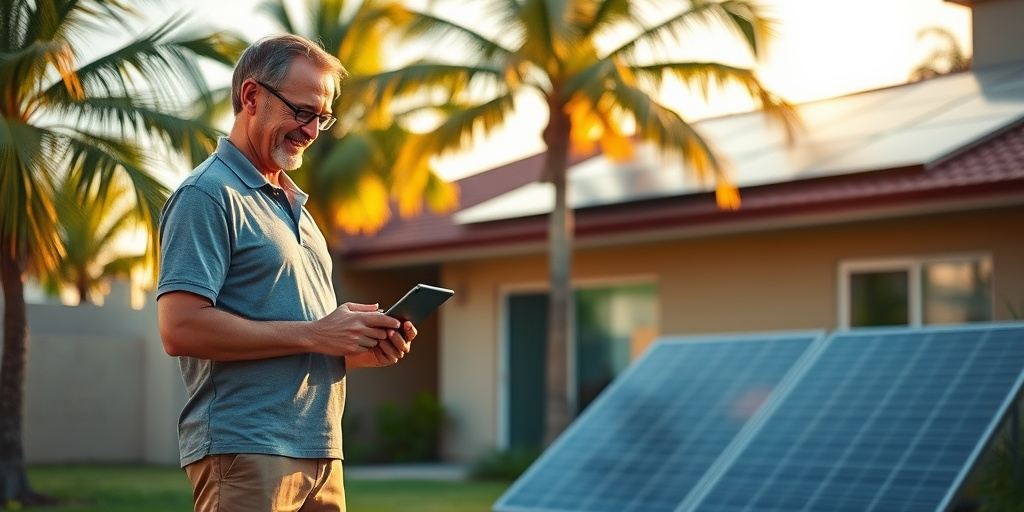
Understanding solar panel lifespan is crucial for Florida homeowners and commercial property owners who seek to invest in sustainable energy solutions in 2025. Did you know that approximately 1.5 million solar installations are expected across the United States by 2025? This statistic demonstrates a sweeping trend towards harnessing solar energy for efficiency and eco-friendliness. Moreover, recent findings suggest that solar panels can effectively operate for 25 years or more, offering long-term savings that can significantly cut electric bills (SolarReviews.com). As rising energy costs and environmental concerns prompt more Floridians to consider solar, understanding the intricacies of solar panel lifespan—key factors that impact performance—becomes increasingly urgent.
Why does the lifespan of solar panels matter now more than ever? With new incentives and tax credits aimed at promoting solar energy usage in 2025, homeowners must be fully informed to make wise investments. As you explore solar options, you’ll want to be aware of how maintenance, environmental factors, and installation quality can enhance efficiency and longevity. In this deep-dive, we’ll break down the key elements impacting solar panel lifespan, thorough case studies, a checklist for optimizing your installation, myth-busting common misconceptions, insights focused on Florida, and a technical analysis of system components.
Here’s what you can expect in the subsequent sections:
- In-depth case studies that demonstrate the real-world implications of solar panel longevity.
- A practical checklist that homeowners can use to ensure their solar grid is performing at peak efficiency.
- An exploration of prevalent myths surrounding solar technology and lifespan.
- Florida-specific insights into solar policies and their effects on longevity and performance.
- A technical deep dive into the components of solar systems and their roles in enhancing lifespan.
In-Depth Case Study: A Florida Family’s Solar Journey
Consider the Jones family, who reside in sunny Sarasota, Florida. After years of rising utility bills, they decided in 2020 to invest in photovoltaic solar panels. With the federal solar tax credit and state incentives, their initial investment was substantially reduced, but they also sought knowledge on how to sustain their panels’ efficiency over time.
Their chosen solar installation included high-quality panels with a 25-year warranty. However, what truly made a difference was their commitment to regular maintenance—they made sure to conduct biannual checks and clean their panels to avoid dust and debris buildup. Within the first year, they saw a 30% reduction in their electric bills, amounting to significant savings over subsequent years.
Research states that solar panels can lose about 0.5% of their efficiency each year compared to the typical 1% loss projected for standard panels (NREL.gov). Thus, with proper upkeep, the Jones family could maintain their solar production optimally, reinforcing the benefits of ongoing correct maintenance practices.
To provide readers with actionable insights, here’s a checklist to ensure your solar panels stay in peak condition:
- Step 1: Schedule regular maintenance—at least twice a year.
- Step 2: Clean your solar panels periodically; dirt and debris can accumulate.
- Step 3: Monitor your energy production through available apps or inverter screens.
- Step 4: Inspect your system for wear and tear on panels and inverter.
- Step 5: Stay informed about warranty details and any potential service agreements.
For Floridians, knowing how local weather affects solar panel health is essential. Humidity, salt air, and hurricane conditions may play a role in panel maintenance requirements. Additionally, the average solar panel lifespan in Florida aligns with national standards, providing reassurance for potential buyers (SEIA.org).
Debunking Myths About Solar Panel Lifespan
Myth #1: Solar panels last only about 10 years. This popular misconception underestimates modern solar technology. Most solar panels last between 25 to 30 years with proper maintenance.
Myth #2: Solar panels can’t produce energy in cloudy weather. While solar production does decrease in cloudy conditions, panels still generate power even when partially shaded—especially in a sunny state like Florida!
Myth #3: All panels degrade at the same rate. Different manufacturers provide varying quality. High-efficiency modules may have significantly lower degradation rates than lower-quality counterparts.
Myth #4: You can’t monitor solar performance. In the age of smart homes, many solar systems come equipped with monitoring apps that provide real-time data, allowing homeowners to track efficiency.
Myth #5: Once installed, there’s nothing you can do to improve performance. As discussed previously, maintenance can greatly influence the lifespan and productivity of solar panels.
Proactively seeking out credible information and debunking these myths can guide homeowners toward making informed decisions. For more information on your solar journey, consider exploring options at floridaelectricandsolar.com.
Florida-Specific Considerations for Solar Panel Longevity
Florida’s unique climate influences solar panel longevity—understanding these variables is imperative for homeowners. Florida enjoys abundant sunshine, which can massively boost solar output. However, humidity and storms can present challenges to maintaining optimal conditions.
- Humidity Impact: Higher humidity can lead to increased moisture on panels, influencing both performance and potential corrosion.
- Hurricane Season Preparation: Proper installation with weather-resilient materials can mitigate damage during storms, extending the lifespan of solar systems.
- Salt Air Effects: Coastal areas must choose materials resistant to salt corrosion, ensuring longevity against weathering effects over time.
Moreover, the state’s solar incentives are projected to enhance the adoption of solar technology significantly. According to a report from the Florida Department of Agriculture and Consumer Services, approximately 1 million Floridians are expected to go solar within the next few years (FDACS.gov). Every homeowner considering this path should educate themselves on local rebates and credits that may offset initial investment and maintenance costs, ultimately prolonging the system’s usefulness.
Technical Deep-Dive Into Solar System Components
The lifespan and performance of solar panels are influenced not just by the panels themselves but also by associated components. Here’s a closer look at the critical elements of solar power systems:
- Solar Panels: The quality of the panels directly correlates with durability and efficiency. Monocrystalline panels typically offer the highest efficiency and lifespan, outperforming polycrystalline options.
- Inverters: The inverter converts DC electricity to AC, making it suitable for household energy use. Expect to replace inverters every 5-15 years depending on the brand and warranty.
- Battery Storage: Batteries allow homeowners to store excess energy, thus providing energy during outages. Regular checks and maintenance on battery systems can extend the lifespan of solar setups.
- Mounting Systems: Quality installations are vital to withstand extreme weather conditions, thus safeguarding the lifespan of the panel systems.
Investing time in understanding these components can tremendously help optimize the unit’s performance and lifespan. Regular checks and contemporary technology insights will better your chances of maximizing returns on investment. For all things solar, visit floridaelectricandsolar.com for more valuable resources.
Next Steps for Florida Solar Buyers in 2025
As you contemplate adopting solar energy, here’s a succinct action plan to guide you seamlessly toward your solar journey:
- Step 1: Audit Your Electric Bill—Understand your energy consumption patterns to determine your solar needs.
- Step 2: Research Local Installers—Look for qualified providers in Florida with good customer reviews.
- Step 3: Schedule Consultations—Get quotes and discuss systems tailored for your home.
- Step 4: Understand the Financing Options—Review available loans, leases, or purchasing outright to fund your installation.
- Step 5: Plan for Maintenance—Set reminders for regular checks to ensure your solar panels function effectively for years to come.
By following these steps, you’ll be well on your way to optimizing your solar panel lifespan while ensuring maximum efficiency for your energy needs.
In conclusion, understanding solar panel lifespan is integral for anyone considering solar energy solutions, especially in sunny Florida. From the decision-making process, through installation, to ongoing maintenance—each step taken can amplify the efficiency and longevity of your solar investment. Moreover, with federal incentives and local market support in 2025, the journey toward solar energy has never been more appealing. Prioritize your knowledge, act proactively, and you’ll be paving the way toward a sustainable future.
Ready to start your solar journey in 2025? Connect with a certified expert at floridaelectricandsolar.com today.
Related Articles
More insights about Solar Panel

Florida Homeowners: Why Solar Panel Maintenance Is Essential

7 Essential Steps for Solar Panel Installation Success

Expert Insights: Key Factors Influencing Solar Panel Lifespan
Ready to Go Solar?
Have questions about solar energy? Our experts are here to help you make the switch to clean, renewable energy.