
What To Know About Solar Panel Installation in Florida
Share:
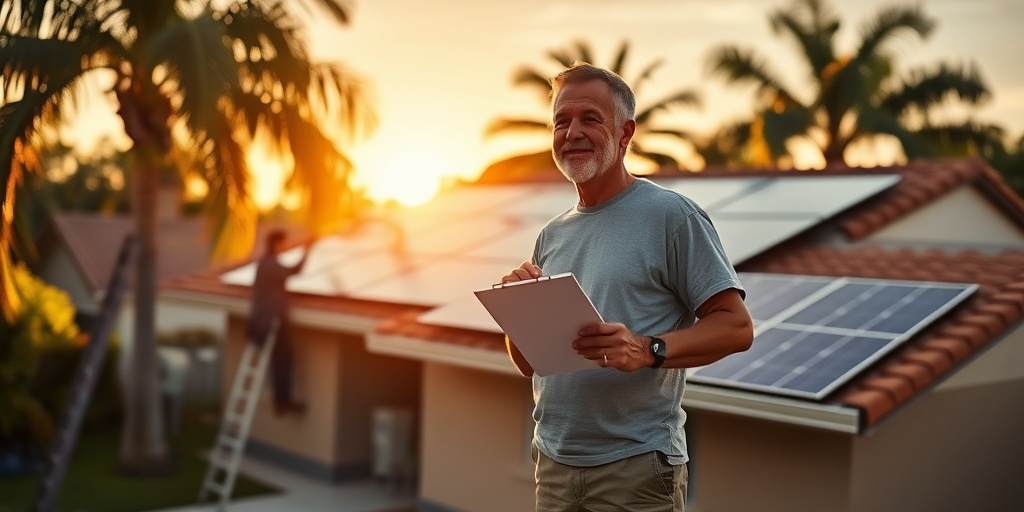
As the sun bathes Florida in its warm embrace, homeowners are increasingly tapping into the golden opportunity of solar energy. Did you know that in 2023, Florida ranked second in the nation for solar photovoltaic (PV) capacity, boasting over 20,000 solar installations? Or that Florida’s solar power capacity surged by 44% in just one year, reflecting a growing interest in renewable energy? These statistics illuminate the significant shift towards solar as power demands grow and traditional energy prices soar. In the context of 2025, the urgency to convert to solar has never been more pronounced—with rising energy costs, potential grid instability, and an array of state incentives encouraging a switch to sustainable energy sources. This article, titled What To Know About Solar Panel Installation in Florida, will guide you through the essential considerations for solar energy. From common misconceptions and local specifics to actionable next steps, we will explore five key sections: a case study of a successful solar transition, a practical checklist for your solar journey, myth-busting solar misconceptions, a technical deep dive into installation considerations, and an actionable plan detailing your next steps. Whether you’re just beginning to explore solar energy or you’re ready to make the leap, this guide will arm you with the knowledge you need to make informed choices and maximize your energy savings effectively.
Case Study: The Smith Family’s Transition to Solar Power
Meet the Smiths, a typical Florida family living in the beautiful suburbs of Tampa. Like many Floridians, they were tired of watching their electricity bills rise every month. In the summer of 2023, Mrs. Smith started researching alternatives to cut their ever-increasing electric bills. What began as a fleeting thought turned into a significant decision when they discovered the Florida Solar Rebate Program, which offers homeowners incentives to install solar panels. After countless hours of research and discussions with various solar providers, they decided to partner with Florida Electric & Solar. The process unfolded smoothly, as the install team helped them navigate the maze of permits and financing options. By December 2023, they proudly flipped the switch on their new solar system, sending zero energy costs skyrocketing.
The Smiths discovered a few important lessons during their transition. First, the installation required pivotal preparations:
- Assess Your Energy Needs: The Smiths began by auditing their electric bill to understand their monthly usage and identifying peak consumption times.
- Choose the Right Size System: They worked closely with their installer to determine the optimal panel array to meet their energy demands.
- Financing Options: The Smiths learned about various financing options, including solar loans, leases, and the growing trend of power purchase agreements (PPAs).
- Understand the Warranty: They discussed warranties for panels and system components, securing long-term peace of mind.
- Know Your Area’s Regulations: Familiarizing themselves with local zoning laws and HOA guidelines paved the way for a hassle-free installation.
In addition to cutting their bills, the Smiths took pride in knowing that their decision reduced their carbon footprint and contributed to a sustainable Florida. This story is not unique—many Floridians share similar experiences. As they transitioned, the Smiths also encountered common myths regarding solar energy, which we will address next, ensuring you can make an informed decision.
Top 5 Myths About Solar Power Installation in Florida
When considering solar energy, many homeowners grapple with preconceived notions and misinformation. Here are some common myths debunked:
- Myth #1: Solar Panels Are Too Expensive – While the initial investment can be significant, numerous financing options exist today, including state and federal tax incentives that can dramatically reduce upfront costs. In 2023, Florida homeowners saved an average of $12,000 from these incentives alone (SEIA.org).
- Myth #2: Solar Panels Only Work in Sunny Climates – Surprisingly, solar panels can generate energy even on cloudy days—Florida’s ample sunshine allows for consistent energy production. In fact, many panels can achieve up to 80% efficiency on overcast days.
- Myth #3: Solar Panels Require a Lot of Maintenance – Modern solar systems are designed to be low-maintenance. Most installations need little more than a periodic cleaning to remove debris and dust. According to recent studies, Florida panels only require maintenance once every 3-5 years.
- Myth #4: You Can’t Use Solar Energy During Power Outages – This misconception stems from common grid-tied solar setups that do shut down during outages for safety reasons. However, investing in battery storage enables homeowners to utilize solar power during outages, keeping critical appliances running (SolarReviews.com).
- Myth #5: HOAs Won’t Allow Solar Installation – While some neighborhoods have specific guidelines, Florida law protects homeowners’ rights to install solar energy systems, prohibiting HOAs from unreasonably denying installations.
By understanding and debunking these myths, potential solar customers can approach their energy transitions free from fear and misinformation. As we move onto the next section, we will examine practical steps to set you up for success in your solar journey, emphasizing local insights and actionable checklists.
Your Solar Installation Checklist: 5 Steps to Get Started
Setting out on your solar power adventure in Florida requires a robust plan. Here’s a checklist to guide you:
- Step 1: Audit Your Electric Bill – Begin by reviewing your electricity usage to understand your needs. Identify which months you consume the most energy to better plan your solar system size.
- Step 2: Research Local Incentives – Florida offers substantial incentives for solar installations. Make sure to consult local government websites or floridaelectricandsolar.com for the latest offerings.
- Step 3: Get Multiple Quotes – Reach out to various solar providers for quotes. This practice will not only help you discover a competitive price but also allow you to gauge customer support and service quality.
- Step 4: Choose the Right Equipment – Discuss panel options, inverter types, and battery storage systems with your installer. Modern solar options range widely, and selecting the correct technology can maximize your system’s performance.
- Step 5: Plan Your Installation Timing – Depending on the weather and your installer’s workload, timing can impact your solar experience. Confirm a timeline and stay proactive, ensuring permits and inspections are addressed promptly.
By following this checklist, Florida homeowners will streamline their solar investment and enhance their understanding of the entire process. Next, let’s take a further dive into the technical aspects of solar power systems and installation, emphasizing what every solar enthusiast should understand.
Understanding Solar System Technology and Financial Implications
Investing in solar power isn’t just about installing panels; it’s imperative to grasp the technology behind the systems and how they interconnect with your finances. Here are some key components to consider:
- Solar Panels: Solar panels use photovoltaic cells to convert sunlight into electricity. Not all panels are created equally. When evaluating brands, consider efficiency ratings, temperature coefficients, and warranty terms.
- Inverters: This component converts the direct current (DC) produced by the solar panels into alternating current (AC), making it usable for residential consumption. Different inverter types (string, micro, or power optimizers) can influence performance and maintenance.
- Battery Storage: An investment in battery technology allows owners to store extra energy for use during cloudy days or power outages. With declining battery costs, this option is becoming increasingly accessible.
- Net Metering: Participating in Florida’s net metering policy allows homeowners to receive credits for the excess electricity they feed back into the power grid—turning your meter into a financial asset!
- Financing: Understanding your financing options—loans, leases, or PPAs—is crucial. Ensure you comprehend the terms and impacts on your overall savings and future cash flow. Florida’s average solar system returns include a shading return of 125% after 7 years (Energy.gov).
Arming yourself with this knowledge positions you to engage intelligently with solar installers and ultimately make an informed financial decision for your energy future. Now, let’s map out action steps for homeowners looking to take the plunge into solar energy.
Next Steps for Florida Solar Buyers in 2025
In navigating your transition to solar, adhering to a logical action plan reduces friction and enhances the overall experience. Here’s how to proceed:
- Step 1: Audit Your Electric Bill – As previously mentioned, understanding your energy consumption establishes a foundation for your solar installation. Summarize all your energy usage and determine your average monthly consumption.
- Step 2: Consult Local Solar Experts – Seek out certified solar consultants to get tailored advice based on your property and energy needs and discuss the ideal system configuration.
- Step 3: Assess Installation Companies – Review the credentials and experiences of several companies. Look for reviews and testimonials to ensure they have happy customers and a solid reputation.
- Step 4: Finalize Financing – Evaluate the various financing options available, taking care to understand their implications. If needed, consult a financial advisor to discuss which option best meets your needs.
- Step 5: Schedule Your Installation – Once you’ve finalized your solar partner and financing, set a date for installation, coordinating it with the installer to prepare the site accordingly.
Following these meticulous steps will ensure a smoother transition to solar energy. Florida Electric & Solar can assist you in navigating your solar journey and providing tailored solar solutions that empower your home.
Final Thoughts: Your Solar Journey Awaits
Switching to solar energy can seem daunting, but understanding the process equips you with the power to make informed decisions that positively impact your home and finances. As our exploration of the What To Know About Solar Panel Installation in Florida has demonstrated, the journey consists of multiple considerations, including dispelling myths, planning strategically, and understanding technologies. As energy costs continue to rise and incentives become increasingly advantageous, now is the time to embrace solar energy for a brighter and more sustainable future.
Ready to start your solar journey in 2025? Connect with a certified expert at floridaelectricandsolar.com today.
Related Articles
More insights about Solar Panel

Florida Homeowners: Why Solar Panel Maintenance Is Essential

7 Essential Steps for Solar Panel Installation Success

Expert Insights: Key Factors Influencing Solar Panel Lifespan
Ready to Go Solar?
Have questions about solar energy? Our experts are here to help you make the switch to clean, renewable energy.