
Grid-Tied vs Off-Grid Systems: A Technical Deep-Dive into Setup and Costs
Share:
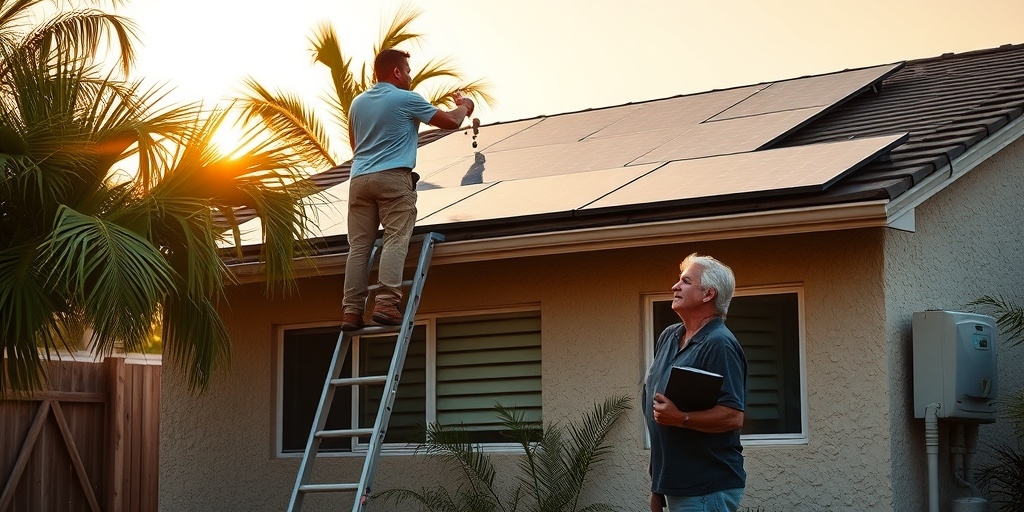
As the sun blazes down on the Sunshine State, Florida homeowners are increasingly considering solar energy as a solution to rising electric bills, skyrocketing inflation, and the ever-present threat of grid instability. In fact, a remarkable 80% of Floridians believe solar energy is a viable option for wrestling control of their energy costs (SEIA.org). Are you among them? If so, you might find yourself standing at a crossroad between two primary solar system options: grid-tied and off-grid systems. In this article, titled “Grid-Tied vs Off-Grid Systems: A Technical Deep-Dive into Setup and Costs,” we will explore the differences, pros and cons, and financing options available. With new solar incentives rolling in for 2025, now is the time to educate yourself on these two critical solar strategies and determine which best fits your unique needs. We’ll cover five in-depth sections: the case study of a Florida homeowner switching to solar, a detailed checklist of requirements, common myths busted, a local focus on Florida-specific data, and a thorough technical analysis on both systems. The urgency to act is palpable as energy prices are expected to climb by up to 3% in 2025 alone (Energy.gov). Let’s dive in!
Understanding Grid-Tied vs Off-Grid Systems: Advantages and Disadvantages
Let’s immerse ourselves in the world of solar technology through a practical narrative. Meet Sarah, a single mother living in Fort Lauderdale. Over the last few years, her electric bills began to feel like a second mortgage, peaking at over $400 during the sweltering summer months. Faced with superstition about solar’s effectiveness and a barrage of conflicting information, she decided to explore her options. As Sarah discovered, two main systems exist in the solar energy landscape: grid-tied and off-grid systems.
Whenever someone mentions solar, it’s crucial to know that the grid-tied systems are the most commonly adopted configurations. These systems connect the solar panels directly to the existing electric grid. This means that your home uses solar energy during the day, and any excess energy produced feeds back into the grid. For Sarah, this translates to a dual benefit: reduced electricity bills and earning credits for contributing power back to the grid.
On the flip side, Sarah learned about off-grid systems, which involve going entirely independent from utility companies. This option includes a battery storage system to store the energy that is produced for later use. It’s enticing for those who want ultimate control over their energy sources, especially considering the increasing prevalence of power outages in Florida. However, Sarah discovered that costs for off-grid systems can escalate significantly — often upwards of $50,000 or more depending on the complexity and scale of the installation.
- Case Study: The Costs of Going Solar
To provide clearer insight, let’s break down Sarah’s cost analysis for both options. Her research revealed:
* Average grid-tied system installation costs are about $2.77 per watt (SolarReviews.com).
* For a typical 5 kW grid-tied installation, this comes to approximately $13,850 before incentives.
* Conversely, off-grid systems generally cost $4.50 to $7.00 per watt, translating Sarah’s 5 kW system into a staggering figure of $22,500 to over $35,000.
When Sarah weighed these costs against her budget, she couldn’t overlook the financial advantages of staying connected to the grid.
Five Steps to Choose the Right System
By now, you can likely imagine a grid-tied system as a convenient option. But how do you make a decision that’s right for your home? Use our checklist to evaluate your needs!
- Step 1: Assess Your Energy Usage
Review your last 12 months of electric bills to understand peak usage and potential savings.
- Step 2: Understand Your Goals
Are you looking primarily to cut costs, achieve energy independence, or enhance your property value? Your goals will influence your decision.
- Step 3: Evaluate Local Policies
Stay informed about Florida’s specific renewable energy policies, incentives, or tariffs that might apply to your installation (FloridaElectricandSolar.com).
- Step 4: Determine System Size
Consult a local solar provider to get a customized assessment of how many solar panels you’ll need.
- Step 5: Seek Professional Guidance
Consult with a reputable solar energy provider to ensure you understand installation, warranties, and maintenance.
Myths Debunked: Understanding the Truth Behind Solar Energy
Despite the wealth of information available, misconceptions often discourage homeowners from transitioning to solar. Let’s clarify some of the myths surrounding grid-tied and off-grid systems:
- Myth #1: Off-Grid is Always Better
While off-grid systems give complete autonomy, they are cost-prohibitive and complex to install, making grid-tied systems a more practical choice for most homeowners.
- Myth #2: Solar Panels Only Work on Sunny Days
Solar panels do harness power on cloudy days as well, although at 10-25% less efficiency (NREL.gov). This reinforces the importance of supplementing with the grid.
- Myth #3: I Can’t Install Solar Because of My Roof’s Orientation
While roof orientation matters, ground mounts and solar farms allow for flexibility in installations. Your home may be more adaptable than you think.
- Myth #4: Solar Power Requires High Maintenance
Modern solar systems require minimal maintenance, usually just an occasional washing to remove debris.
- Myth #5: Battery Storage is a Must
Battery storage is essential for off-grid systems but not necessary for grid-tied installations. The grid itself acts as a backup in emergencies.
Florida-Specific Issues: Why Local Matters
As a Florida resident, you’re part of an evolving and especially peculiar solar market. The state’s annual sunshine provides ample opportunities to harness solar energy, yet utility companies hold significant power over many contractors and installation practices.
- Solar Incentives: In 2025, the investment tax credit (ITC) offers a 26% deduction off your federal tax return for solar systems, vital for offsetting the high costs of installation.
- Net Metering: Florida operates under a net metering policy, allowing you to bank kilowatt-hour credits for excess power sent back to the grid.
- Weather Considerations: Hurricane season can impact installations; it’s essential to select durable equipment that can withstand storms (SolarReviews.com).
- State Legislation: Stay abreast of potential legislative changes affecting solar rights and projections as the Florida government is on an upward trend toward supporting renewable energy.
The Technical Deep-Dive: Analyzing System Components
Now, let’s examine the core components that affect both grid-tied and off-grid systems.
- Solar Panels:
The efficiency of your solar panels significantly affects performance. Opt for high-efficiency monocrystalline panels, achieving 15-20% more output compared to traditional panels, especially important given Florida’s high temperatures that can reduce efficiency.
- Inverters:
Use high-quality inverters capable of handling peak generation. A poor-quality inverter can diminish system efficiency.
- Battery Storage:
If you’re considering an off-grid option, select advanced lithium-ion batteries over lead acid for superior longevity and efficiency of around 95%.
- Mounting Systems:
Invest in weather-proof mounting systems adaptable to Florida’s climates. Ground mounts may offer more flexibility compared to roof-mounted options.
- Monitoring Systems:
Advanced monitoring systems provide real-time energy use, allowing for proactive energy management.
Each of these components carries distinctive setups and costs, influencing your entire solar journey. A professional installer can provide more detailed evaluations based on specific components.
Next Steps for Florida Solar Buyers in 2025
As 2025 approaches, now is the best time to act on your solar power journey. Here’s a concrete action plan!
- Step 1: Audit Your Electric Bill
Track your energy consumption to determine your solar needs. This will help you set realistic system size expectations.
- Step 2: Research Installer Options
Choose certified local solar providers that have experience with Florida’s unique regulations and weather factors.
- Step 3: Explore Financing Options
Understand available financing options: loans, leases, and power purchase agreements (PPAs) are all viable routes.
- Step 4: Schedule an Energy Assessment
Have professionals assess your home for solar suitability, including roof condition and orientation.
- Step 5: Start Your Solar Installation Journey
Once you’ve selected the right system, begin the installation process and enjoy the journey toward energy independence.
It’s time to take the plunge into the exhilarating world of solar power and all it has to offer. Remember, working with trusted experts makes this path easier. You can start by visiting floridaelectricandsolar.com.
In conclusion, navigating the complexities of adopting solar can be daunting, but the rewards of acting responsibly in the face of rising energy costs, environmental stewardship, and energy independence cannot be overstated. Choosing between grid-tied and off-grid systems requires a firm understanding of your needs, goals, and the technical specifics that come into play. With the urgency of energy transition looming in 2025, now is absolutely the time to seize this golden opportunity. Ready to start your solar journey in 2025? Connect with a certified expert at floridaelectricandsolar.com today!
Related Articles
More insights about Grid-Tied Systems

Grid-Tied vs Off-Grid Systems: What You Need to Know

Grid-Tied vs. Off-Grid Systems: The Essential Solar Comparison Guide

Technical Deep-Dive: Understanding Grid-Tied vs Off-Grid Solar Systems
Ready to Go Solar?
Have questions about solar energy? Our experts are here to help you make the switch to clean, renewable energy.