
Don’t Delay Your Solar Panel Installation—Avoid These Risks
Share:
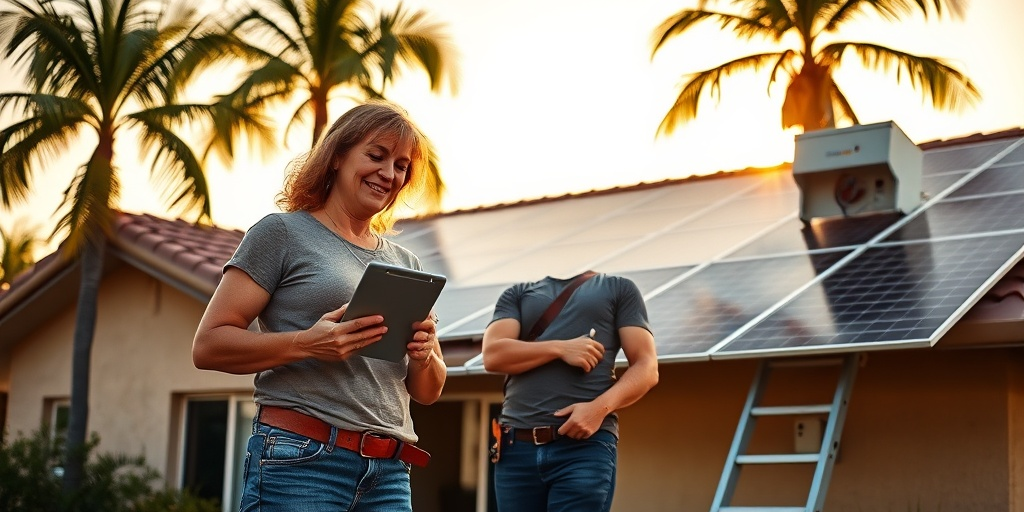
Picture a bright Florida morning, where the sun glistens off your rooftop and the world outside hums with vitality. Your neighbors are chatting about their monthly electric bills, and one whispers something about solar panels—an investment they made last year, but not without considerable entanglements. Did you know that in 2022 alone, solar installations in Florida increased by over 30%, yet many homeowners are still hesitant to make that leap? This hesitation can be costly, both in finances and opportunity (SEIA.org). As the year 2025 approaches, Florida’s solar incentives are evolving, and not adapting to this change could mean losing out on significant savings. In this piece, titled Don’t Delay Your Solar Panel Installation—Avoid These Risks, we’ll explore the urgent realities of solar power installations, the dangers of delay, and how improper setup can limit your solar panel lifespan. We’ll break down the importance of acting now, especially as energy costs escalate and innovative technologies emerge. Here’s a preview of what’s to come: a real-life case study of a Florida homeowner’s journey, an essential checklist for installation, debunking common solar myths, a focus on local solar specifics in Florida, and a deep dive into technical considerations you can’t afford to overlook.
Understanding the Risks of Delaying Solar Installation in Florida
In 2025, failing to act on solar opportunities may result in unforeseen risks that can derail energy independence for many Florida homeowners. Take the story of Emma, a 37-year-old mother of two living in Orlando. After years of being frustrated with her rising electric bills, Emma had finally decided to explore solar panel installation. However, life intervened, and she delayed her decision by six months. During that time, a storm damaged her roof, leading to unexpected repair costs and pushing her solar dreams further away. A study indicated that a well-executed solar installation can save homeowners an average of $20,000 over 20 years (Energy.gov). However, delays like Emma’s can eat into those savings as technology and incentives change. The longer you wait, the more risks you expose yourself to, including:
- Increased Installation Costs: As demand for solar rises, installation prices may climb with it. Additionally, delaying can mean missing out on current federal tax credits that are available until they phase out.
- System Compatibility Issues: If your home requires a new roof or a rework of your electrical setup, delaying your solar panel installation can lead to compatibility issues that could shorten the lifespan of your system.
- Lost Energy Savings: Delaying not only affects your wallet but can also result in significant lost energy savings, as solar systems can cut electric bills by up to 70% (SolarReviews.com).
By understanding these risks, it’s clear that waiting to install your solar panels isn’t just inconvenient; it can be detrimental. Forward motion is paramount. Now, let’s unravel some actionable steps and settle into essential considerations.
5 Essential Steps to Ensure a Successful Solar Installation
Installing solar panels is more than just a change in the energy source; it is a transition that requires meticulous planning and execution. To help you navigate this journey, here’s a clear and concise checklist:
- Step 1: Conduct a Home Energy Audit
Understanding your current energy consumption is the first step in determining the solar system size you need. This will help you make more informed decisions and maximize your savings. - Step 2: Research Your Options
Explore different solar electric systems available and consult reputable local solar companies like Florida Electric & Solar. Look into options for battery storage systems, which may allow for greater energy independence. - Step 3: Work with Certified Installers
Proper installation can affect your system’s efficiency and lifespan. Ensure that the installers you select are certified and have a good track record in the industry. - Step 4: Understand Local Regulations
Keep yourself updated on Florida’s solar policies and regulations since these can greatly impact your installation decisions and potential benefits. - Step 5: Seal the Deal with Financial Planning
Establish your financing options, from loans to leasing, while considering your budget. This financial planning should also include understanding available incentives.
Acting on each of these steps is critical to minimizing risks associated with solar panel installation in Florida. It’s about empowering yourself to make informed decisions and ensuring your path to energy independence is unimpeded.
Common Misconceptions About Solar Energy Installation
As you explore your solar journey, you may encounter skepticism, both from within and from others around you. Let’s address and dispel some common myths that can hold you back from embracing solar energy fully:
- Myth #1: Solar Panels Only Work on Sunny Days
Many people believe solar panels are ineffective during cloudy weather. However, panels can still generate energy with diffuse sunlight. New technology allows for effective energy capture in various weather conditions (NREL.gov). - Myth #2: Solar Panels are Too Expensive
While initial costs vary, financing options have made solar more accessible. Programs like net metering allow homeowners to recoup costs significantly over time. - Myth #3: Solar is Only for Green Enthusiasts
The reality is that going solar is a financially savvy move for anyone looking to reduce energy costs, regardless of environmental motivation. It’s about owning your power and saving money. - Myth #4: Installing Solar Panels Will Lower My Home Value
In fact, studies show homes with solar installations may increase in value by an average of $15,000 (SolarReviews.com). - Myth #5: Solar is Complicated
The process can seem daunting, but local solar companies like Florida Electric & Solar streamline the process from consultation to installation, alleviating your concerns.
By debunking these myths, you can approach your solar installation with confidence, aligning with the facts of today’s energy landscape.
The Florida Solar Landscape: Local Insights for Your Installation
The landscape for solar energy in Florida is continuously evolving. As a homeowner, it is vital to understand how local laws and market dynamics affect your installation. Here are some important points to consider:
- Rising Demand: Florida ranks among the top states for solar installations, making it a hub of activity for solar energy innovation. As demand skyrockets, the competition may lead to lower prices and improved services (SEIA.org).
- Net Metering Policies: Florida offers net metering, allowing you to receive credits for the excess energy your solar system produces. This policy is crucial for homeowners looking to maximize their investment.
- State Incentives: Explore state-contracted financing options and incentives to make solar affordable. The potential for rebates and tax credits can reduce overall costs significantly.
By being informed about the local solar landscape, you can make more strategic decisions regarding your installation, saving both money and time in the long run.
Planning Your Solar Journey: Next Steps for Florida Solar Buyers in 2025
To ensure your solar installation is as efficient and cost-effective as possible, creating a thorough action plan is indispensable:
- Step 1: Audit Your Electric Bill
Review your bill to gauge your energy consumption. Determine the appropriate size for your solar panel system in relation to your current usage. - Step 2: Research Local Installers
Select reputable local companies with strong reviews and a proven history. Remember to compare quotes! - Step 3: Study Local Regulations
Familiarize yourself with Florida’s regulations, including permits and zoning requirements, to avoid delays. - Step 4: Understand Your Financing Options
Explore available financing paths, from cash purchases to loans and leases, to discover what works best for your budget. - Step 5: Implement and Evaluate
Once your system is installed, monitor its performance and savings to ensure it functions at peak efficiency.
This structured approach will help reduce friction throughout the installation process, empowering you to embrace solar energy confidently.
Reflecting on all we’ve covered, it’s evident that Don’t Delay Your Solar Panel Installation—Avoid These Risks serves as a necessary call to action for contemporary Florida homeowners. By understanding the urgent nature of solar energy adoption and the pitfalls of procrastination, you can make informed decisions that strengthen your financial future. From practical steps to debunking myths, to considering the local landscape, you now have the knowledge to take your solar journey forward. It’s not merely about cost savings; it’s about investing in your family’s future, securing your financial freedom, and contributing to a healthier planet.
Ready to start your solar journey in 2025? Connect with a certified expert at floridaelectricandsolar.com today.
Related Articles
More insights about Solar Panel

Florida Homeowners: Why Solar Panel Maintenance Is Essential

7 Essential Steps for Solar Panel Installation Success

Expert Insights: Key Factors Influencing Solar Panel Lifespan
Ready to Go Solar?
Have questions about solar energy? Our experts are here to help you make the switch to clean, renewable energy.