
Why Florida Residents Are Turning to Solar Panel Installation
Share:
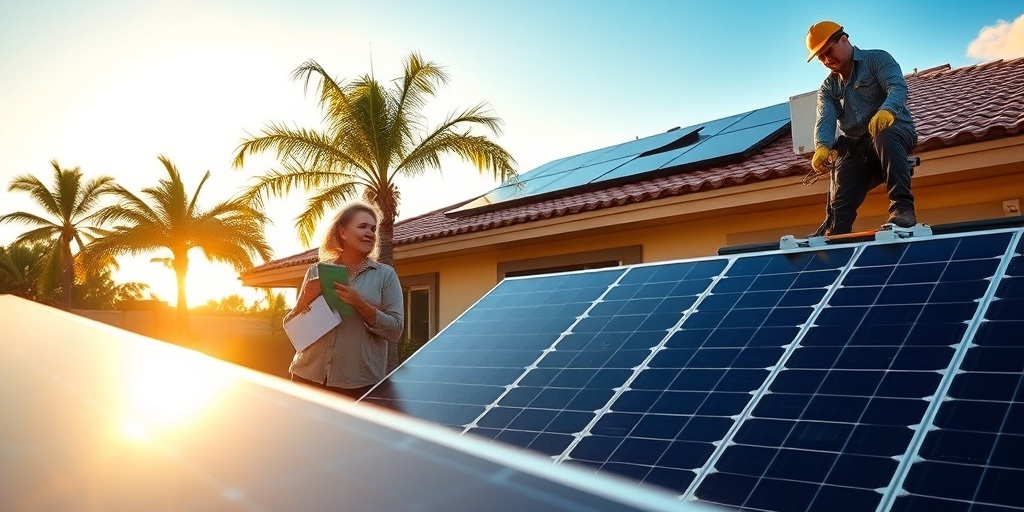
In 2025, a significant transformation is sweeping across the Sunshine State as Florida homeowners are increasingly investing in solar panel installation. Did you know that residential solar installations have surged by over 40% in Florida in just the past year? This staggering statistic underscores a growing trend among Florida residents, who are not only motivated by a desire for energy independence but also the potential for substantial savings on their monthly electric bills. Additionally, with the state’s abundant sunshine, solar energy offers an enticing alternative to traditional energy sources, with Florida ranked among the top states for solar capacity, boasting over 24,000 megawatts of installed solar power (SolarEnergy.gov). Hence, the article titled “Why Florida Residents Are Turning to Solar Panel Installation” aims to delve into the reasons driving this rapid adoption, the benefits homeowners can expect, and the factors that make this transition critical now more than ever.
As we embrace the solar revolution, it’s essential to consider new incentives such as the federal solar tax credit, which allows homeowners to deduct a significant portion of their solar panel installation costs. This is particularly relevant in 2025 as federal policies continue to evolve, with potential changes that may affect or even limit these incentives in the future. Moreover, the instability of traditional energy grids, which have increasingly shown vulnerabilities during storms and other environmental factors, has many Floridians seeking to take control of their energy sources. In this post, we will explore five key sections:
- The driving factors behind Florida’s solar adoption
- A checklist for homeowners considering solar
- Debunking common myths about solar energy
- A deep dive into local solar policies and practices
- A roadmap for future solar investments in Florida
With this journey through the solar landscape, together we will illuminate why now is the time for Florida homeowners to invest in solar energy.
Why Are Florida Residents Embracing Solar Panel Installation?
In 2025, a revolution is brewing—and the Sunshine State is leading the way. Before joining the solar trend, you might find it enlightening to hear the story of Ashley and Mark, a couple living in Tampa. Frustrated with soaring electricity bills averaging over $250 each month, they began exploring ways to lessen their financial burden while seeking a more sustainable lifestyle. After attending a community seminar hosted by Florida Electric & Solar, they were introduced to the benefits of solar energy.
Ashley and Mark discovered that investing in solar panels could significantly reduce their electric bills. The U.S. Department of Energy reports that Florida residents can save upwards of $30,000 over 20 years by switching to solar (Energy.gov). This realization prompted them to purchase a solar system, including battery storage to ensure they had enough power even during outages. Not only did they enjoy immediate savings, but they were also pleased to know they were lessening their carbon footprint. Their story reflects a larger trend, as more residents are transitioning to renewable energy sources in response to rising electricity costs and environmental concerns.
But what steps can you take if you’re considering the switch to solar? Here is a straightforward checklist to guide your solar journey:
- Assess Your Energy Needs: Determine how much energy your household consumes.
- Research Solar Options: Explore different types of solar panels and inverters to find the right fit for your home.
- Evaluate Financial Options: Look into financing, leasing, and the available federal tax credits.
- Choosing an Installer: Select reputable solar installation companies, like Florida Electric & Solar, with a proven track record.
- Monitor and Maintain: After installation, ensure you regularly check the system’s performance and keep it well-maintained.
In addition to being a sustainable choice, investing in solar energy can lead to a more resilient household and significantly lower utility costs. However, doubt and misinformation about solar power circulate among potential buyers. Let’s debunk some of these myths:
Myth #1: Solar Panels Don’t Work Well in Florida
Contrary to popular belief, Florida is often referred to as the “Sunshine State” for a reason. Our climate allows solar panels to operate efficiently, maximizing energy production throughout the year.
Myth #2: Solar Energy is Too Expensive
While upfront costs can be intimidating, financing options, tax credits, and long-term savings debunk this myth. In fact, solar can be more cost-effective compared to traditional energy sources.
Myth #3: Solar Decreases Home Value
Studies show that homes with solar panels often sell for more than those without, enhancing property value. Homebuyers are becoming increasingly interested in energy-efficient homes.
Myth #4: Solar is Only for New Builds
Many homeowners with older homes successfully switch to solar energy; retrofitting existing homes with solar systems is now easier than ever.
Myth #5: Solar Panel Maintenance is Complicated
Solar systems require minimal maintenance. Regular cleaning and occasional inspections are all that’s needed to keep them running smoothly.
With these myths laid to rest, it’s vital to focus on how you can leverage Florida’s solar incentives. The state offers a range of benefits, including net metering, which credits you for surplus energy produced by your solar system (Florida Power & Light Company). This mechanism ensures every kilowatt-hour produced counts toward lowering your electric bill, making solar more appealing.
As you consider solar energy, let’s explore some technical aspects that can facilitate your decision-making. The solar panel technology landscape has matured significantly, offering various options tailored to different needs. This section will analyze key components, including solar panels, inverters, battery systems, and energy efficiency.
Understanding the Technical Side of Solar Energy in Florida
The heart of every solar energy system lies in its components, each playing a critical role in harnessing the sun’s energy effectively. Here, we will examine:
- Solar Panels: The most common type is crystalline silicon panels, widely favored for their efficiency and longevity. Additionally, thin-film panels offer lightweight solutions, though slightly less efficient.
- Inverters: These devices convert the direct current (DC) generated by solar panels into alternating current (AC), enabling household use. String inverters or microinverters can be selected based on system configuration needs.
- Battery Storage: As energy demand fluctuates, battery systems allow homeowners to store excess energy for use during non-sunny periods. Lithium-ion batteries are popular choices thanks to their efficiency and durability.
- Monitoring Systems: Incorporating monitoring systems provide real-time insights into energy production and consumption, allowing users to manage their power efficiently.
- Energy Efficiency Improvements: Investing in solar roofs and windows can maximize energy capture and ultimately lower the overall cost of energy usage.
In 2025, Florida’s energy landscape will evolve alongside advances in solar technology. With more Florida homeowners exploring how these innovations can produce cleaner energy, it becomes increasingly vital to understand the components of your solar system. Armed with these insights, you’re better positioned to make informed decisions throughout your solar journey.
As we transition toward the future of solar energy, your next steps as a potential solar buyer will be crucial in maximizing your benefits. Let’s outline a straightforward action plan tailored specifically for Florida purchasers.
Next Steps for Florida Solar Buyers in 2025
Stepping into the solar market may seem daunting—yet with the right actionable steps, it’s a streamlined process. Here’s your clear roadmap to integrate solar energy into your home:
- Audit Your Electric Bill: Review your monthly energy consumption to understand where savings can be made. Note the peak consumption months to gauge energy needs accurately.
- Research Local Installers: Connect with local solar service providers like Florida Electric & Solar, which specialize in Florida’s unique regulations and climate needs.
- Explore Financing Options: Investigate available financing plans, including loans and leases, to identify which suits your financial situation best.
- Take Advantage of Incentives: Be aware of Florida’s current incentives, such as state rebates and federal tax credits, and act promptly to leverage them before potential changes in legislation.
- Schedule an Installation: Once everything aligns, coordinate your installation date and ensure all preparations are made to maximize efficiency during installation.
As a forward-looking Florida homeowner, taking these steps will position you to reap the benefits of solar energy while contributing to a more sustainable future. The journey ahead may feel overwhelming, but it’s an essential investment for both your wallet and the environment.
Looking back at the conversation we’ve had about solar energy in Florida, it’s evident that residents are moving toward sustainability and financial savings amidst rising energy costs and the urgency of addressing climate change. The wave of solar panel installation reflects a broader societal shift as Floridians embrace energy independence, efficiency, and innovation.
In summary, the choice to go solar presents a multitude of benefits not only in terms of financial savings but also of environmental stewardship. As you navigate this exciting transition, remember the urgency of taking action now—not only due to incentives but also the desire for energy independence and to contribute positively to your community.
Ready to start your solar journey in 2025? Connect with a certified expert at floridaelectricandsolar.com today!
Related Articles
More insights about Solar Panel

Florida Homeowners: Why Solar Panel Maintenance Is Essential

7 Essential Steps for Solar Panel Installation Success

Expert Insights: Key Factors Influencing Solar Panel Lifespan
Ready to Go Solar?
Have questions about solar energy? Our experts are here to help you make the switch to clean, renewable energy.