
How One Florida Homeowner Increased Their Home Value with Solar Panel Installation
Share:
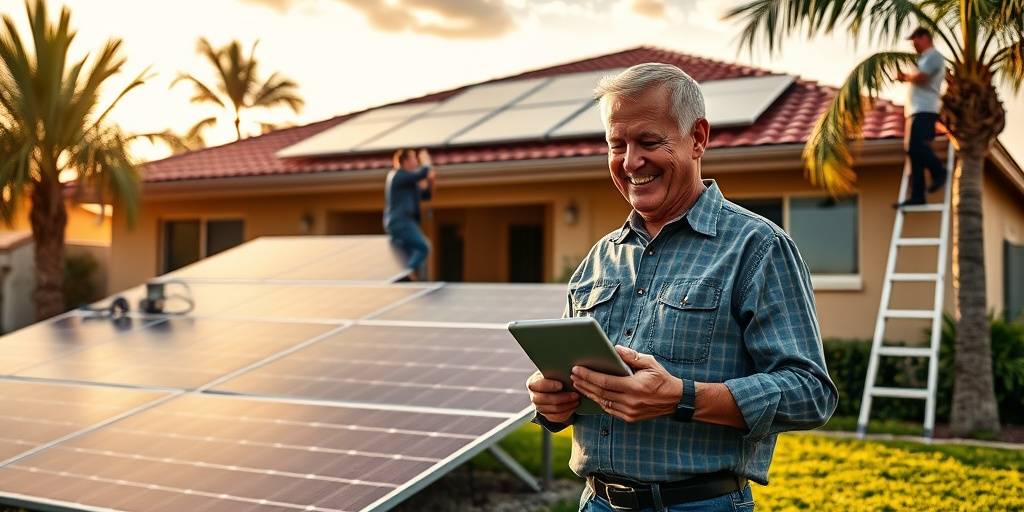
When it comes to making smart investments for your home, few have the potential to offer as much return as solar panel installation. In fact, studies show that homes with solar panels can see an increase in property value by as much as 4.1% (SEIA.org). For Florida homeowners, navigating the complexities of solar energy can be daunting, but the benefits are too significant to ignore. This is why we are diving into our blog titled How One Florida Homeowner Increased Their Home Value with Solar Panel Installation, where we’ll reveal not just the story of one homeowner’s journey, but also the broader implications of solar energy for the real estate market. According to the National Renewable Energy Laboratory, installed solar capacity in Florida is projected to grow by more than 38 gigawatts by 2030 (NREL.gov). With rising energy costs and new solar incentives rapidly evolving, understanding the roles solar panels play in enhancing property value has never been more critical for homeowners in the Sunshine State, especially as we approach the year 2025. In this blog, we’ll explore the following sections: a detailed case study of a homeowner’s experience, actionable checklists for considering solar, myth-busters about solar installation, Florida-specific insights, and a technical deep dive into the workings of solar panels. Join us as we unpack the transformational impact solar energy can have on property value and overall energy savings.
Unveiling the Solar Advantage: A Homeowner’s Journey in Florida
Meet Jacob Rivera, a Florida homeowner from Tampa who decided to take the plunge and install solar panels on his home in early 2025. Up until this point, Jacob was like many homeowners—caught in the cycle of rising electricity bills and frustrated by his reliance on traditional energy sources. After reviewing his rising energy costs, which surged by over 20% in just two years, Jacob began researching alternative solutions. What he discovered about solar panels astonished him; not only could they substantially reduce his electricity bills, but they also promised an increase in his home’s property value, which he found thoroughly appealing.
According to studies and real estate experts, homes equipped with solar power systems sell for more than homes without them (SolarReviews.com). Encouraged by this fact, Jacob decided to reach out to floridaelectricandsolar.com, a trusted local solar installation company, for a consultation. The experts at Florida Electric & Solar educated him on various financing options and tax incentives available in Florida, including the Federal Solar Investment Tax Credit, which allows homeowners to deduct a significant percentage of their solar installation costs from federal taxes (Energy.gov).
After initial consultations and financial assessments, Jacob made an informed decision to invest in a tailored solar power system designed specifically for his home’s energy needs. The installation process took just under two weeks and involved mounting high-efficiency solar panels on the roof of his home, complete with a state-of-the-art inverter system. Following the installation, Jacob was amazed by the immediate drop in his utility bills—he began saving approximately $250 each month.
These ongoing savings meant more financial freedom not only for Jacob but for his family as well. Beyond the immediate economic benefits, Jacob became increasingly aware of how this investment would also positively influence his property’s market value. According to the Property Appraisers Office in Florida, homes equipped with solar power systems could expect to see upwards of $15,000 added to their home value (Florida Department of Revenue). Jacob realized that by embracing solar energy, he was not only securing his financial future but also enhancing the long-term value of his house.
As Jacob shared his story with friends and family, he found that many were unaware of the benefits solar energy could provide. Many believed the myth that solar panels were too expensive or wouldn’t significantly contribute to home value. To help others make informed decisions, Jacob decided to create an informative session in his local community, showcasing the positive impacts of solar installations. The ripple effect of Jacob’s story inspired others in his neighborhood, leading to increased interest in solar energy investment. This case study serves as a powerful testament to how Florida homeowners can not only cut energy costs but can also leverage solar energy as an investment to increase property value in an era when traditional energy costs are becoming unsustainable.
As we delve deeper into the various aspects of solar panel installation, we will provide you with insightful checklists, debunk common myths, and give a detailed technical analysis of solar systems, all focused on ensuring that Florida homeowners are equipped with the knowledge they need to make this significant investment in their future.
Essential Steps for Installing Solar Panels in Florida
Embarking on your solar journey can feel overwhelming, but a structured approach can simplify the process significantly. Here is a comprehensive checklist of steps you should consider to optimize your solar panel installation:
- Step 1: Assess Your Energy Needs – Start with a detailed analysis of your current energy consumption. Review your electric bills for the past year to identify your average monthly energy usage.
- Step 2: Research Incentives and Financing – Investigate local, state, and federal incentives that may significantly offset the installation costs. Understand financing options available, such as solar loans or leases.
- Step 3: Consult with Experts – Engage with local solar installation companies and ask for detailed proposals. Don’t hesitate to ask questions about panel efficiency, installation timelines, and warranties.
- Step 4: Evaluate Your Property – Ensure your home is suitable for solar installation. Assess roof orientation and shading to maximize solar exposure and efficiency of your panels.
- Step 5: Prepare for Installation – Once you’ve selected your provider, prepare your home for installation. This may involve clearing space on your roof or ensuring your electrical panel can handle the new system.
Taking these crucial steps will not only prepare you for a seamless solar panel installation but also help you maximize your potential savings. For further assistance and in-depth guidance tailored to your specific situation, you can visit floridaelectricandsolar.com.
The energy landscape in Florida is continually evolving, and understanding how to navigate it effectively is vital to achieving long-term savings and enhancing your home’s value.
Myth-Busting Common Solar Panel Misconceptions
Even as the popularity of solar energy grows, several myths continue to deter potential adopters. It’s essential to debunk these misconceptions to foster a more informed dialogue around solar installations.
- Myth #1: Solar Panels are Too Expensive – While the upfront costs can be significant, the combination of incentives, lower monthly energy bills, and increasing home value often results in an attractive overall return on investment.
- Myth #2: Solar isn’t Effective in Cloudy or Rainy States – Florida, often referred to as the Sunshine State, receives an ample amount of sunlight throughout the year. Solar panels can still be incredibly effective even on cloudy days, generating energy through indirect sunlight.
- Myth #3: Solar Panels Require a Lot of Maintenance – In reality, solar energy systems are low-maintenance. Most homeowners merely need to keep their panels clean and ensure no shading occurs over time, requiring minimal intervention.
- Myth #4: My Home Needs to Face South to Utilize Solar Energy – Although south-facing roofs are ideal, east and west-facing roofs can still be effective for solar energy generation.
- Myth #5: Installing Solar Panels Will Ruin My Roof – Properly installed solar panels do not damage your roof. In fact, they may extend the lifespan of your roof by protecting it from the elements.
Clearing up these myths allows homeowners to approach solar energy with a clearer understanding and confidence. Encouraging discussions within communities can further empower individuals to consider this sustainable energy source for their homes.
Understanding Florida’s Solar Landscape
Florida stands out as a leader in solar energy adoption within the United States, thanks to favorable climate conditions and significant policy initiatives aimed at encouraging solar investments. Understanding the local landscape is crucial for any Florida homeowner considering solar energy. Here are several key points to consider:
- Strong Incentive Programs – Florida offers various incentives, including the state’s net metering policy, which enables homeowners to receive credit for excess energy produced by their solar systems. This can significantly reduce your overall energy costs.
- Rising Home Values – According to recent data, homes in Florida with solar installations can sell for an average of $15,000 more than comparable homes without solar (Florida Department of Revenue). This trend highlights the growing recognition of solar energy’s value in the real estate market.
- Pro-Solar Utilities – Many utility companies in Florida are increasing their commitment to renewable energy sources, leading to more accessible solar solutions for homeowners. This shift signifies a broader acceptance and integration of solar technologies into existing power grids.
As homeowners contemplate solar energy, they should factor in the ever-evolving regulatory landscape, as well as local solar incentives that can impact the overall effectiveness and value of their solar installations. Staying informed is crucial in making the most beneficial decisions around this sustainable energy source.
Next Steps for Florida Solar Buyers in 2025
If you’re feeling empowered and ready to make the switch to solar, here’s an actionable plan to ease your transition to sustainable energy in Florida:
- Audit Your Electric Bill – Understand how much energy you’re consuming, and identify patterns in your billing to determine the best size for your solar panel system.
- Research Local Solar Installers – Check reviews, ask for recommendations, and ensure you choose a provider with a solid reputation in the Florida solar market.
- Explore Financing Options – Look into various financing methods available, including loans, leases, or power purchase agreements that can fit your budget.
- Understand Local Permitting Processes – Familiarize yourself with the local zoning and permitting processes to ensure a smooth installation experience.
- Monitor and Maintain Your System – After installation, keep track of your solar system’s performance, and be proactive about maintenance to ensure you’re maximizing energy efficiency.
These steps can help smooth out the transition into solar energy, ensuring that you are making an informed, savvy investment for both your home and your financial future. For further assistance on creating the best strategy to implement your solar system, feel free to reach out to floridaelectricandsolar.com.
The exploration of Jacob Rivera’s journey illuminates the broad potential for solar energy, encapsulating both personal growth and financial empowerment. As more Florida homeowners become aware of the undeniable benefits of solar energy, we can expect to see an even greater influx of solar installations across the state. This trend reinforces the notion that solar is not merely a powerful energy solution—it’s a transformative investment in the financial and environmental future of our homes.
Ready to start your solar journey in 2025? Connect with a certified expert at floridaelectricandsolar.com today.
Related Articles
More insights about Solar Panel

Florida Homeowners: Why Solar Panel Maintenance Is Essential

7 Essential Steps for Solar Panel Installation Success

Expert Insights: Key Factors Influencing Solar Panel Lifespan
Ready to Go Solar?
Have questions about solar energy? Our experts are here to help you make the switch to clean, renewable energy.