
Florida Homeowners: Explore the Top Benefits of Solar Battery Storage
Share:
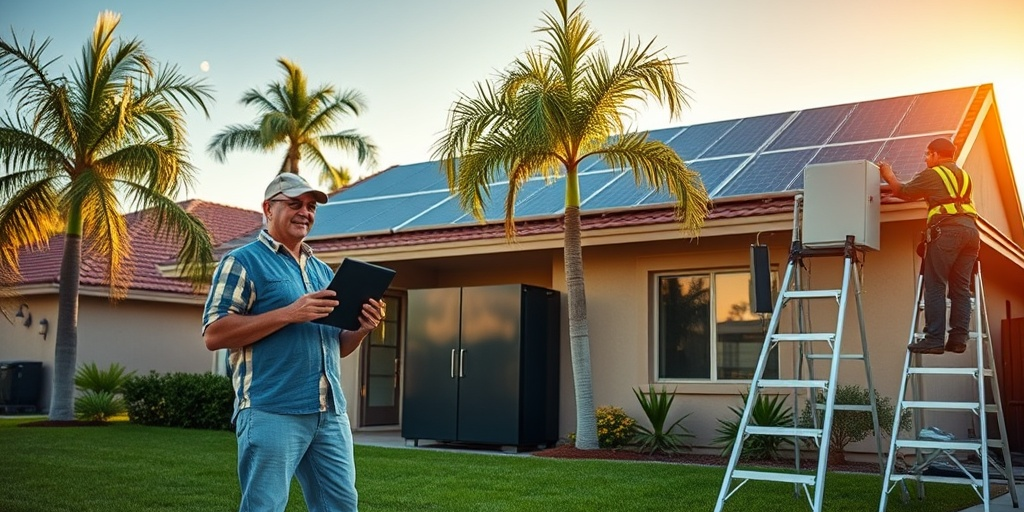
In the sunny state of Florida, where countless homes bask in natural light, the question isn’t *if* you should harness solar energy but *when* you can start maximizing its benefits. Did you know that Florida ranks second in the nation for solar capacity, boasting over 13 gigawatts of installed solar power? This is more than enough to power millions of homes. It’s a statistic that not only reflects the abundance of solar potential but also highlights a shift in how we think about energy. Yet, as many Florida homeowners eye solar panels, they often overlook a crucial component in the solar equation—battery storage. That’s why **Florida Homeowners: Explore the Top Benefits of Solar Battery Storage** is an essential read. According to the Solar Energy Industries Association, Florida has seen a significant rise in battery storage installations, with by 2025 projected to exceed 30% growth in solar battery adoption. With growing concerns over rising energy costs and increasing grid instability, the urgency to consider solar battery storage becomes clear. In this blog, we will explore five vital sections that will deepen your understanding and empower you to make informed decisions: 1) The Emotional Power of Case Studies, 2) Actionable Steps for Solar Battery Success, 3) Myth-Busting Common Misconceptions, 4) Florida-Specific Incentives and Recommendations, and 5) Technical Insights and Future Innovations.
Unearthing the Emotional Power of Solar Battery Storage
Imagine waking up one morning in a Florida home, sunlight streaming through the window, and knowing that your energy independence is not just a dream—it’s a reality. This isn’t just a fantasy; it’s the daily life for homeowners like Sarah and Mike from Orlando. Last year, they made the leap to solar by integrating battery storage. Initially skeptical about the cost, they were amazed to find that the benefits far outweighed their initial investment. As rising energy costs continued to chip away at their monthly budget, they discovered that battery storage allowed them to store excess energy generated during the day for nighttime use. Moreover, when power outages struck due to intense summer storms, their home remained fully powered, providing peace of mind for their family. According to Florida Power & Light, homes equipped with solar panels and battery storage systems can mitigate up to 100% of their energy bills, allowing families like Sarah and Mike to eliminate their dependency on traditional energy sources.
So what does it take for every Floridian to step into this world of solar energy independence? Here’s a checklist to ensure you are on the right path:
- Step 1: Research solar eligibility and local incentives offered by the state. Many Florida homeowners qualify for the 26% federal solar tax credit.
- Step 2: Conduct a thorough energy audit of your home to determine your energy usage patterns.
- Step 3: Consult with a reputable solar provider to evaluate the various solar panel and battery options available to you.
- Step 4: Prepare for installation by clearing your budget and understanding the financing options.
- Step 5: After installation, monitor your system regularly to ensure optimal performance.
Now, let’s tackle some common misconceptions concerning solar battery storage.
Myth-Busting Common Misconceptions about Solar Battery Storage
As we continue to witness the rise of solar energy in Florida, certain myths seem to linger, holding some homeowners back from making the transition. Let’s set the record straight with these fact-based rebuttals:
- Myth #1: Solar Batteries are Too Expensive: Many homeowners believe that the upfront costs of batteries outweigh the benefits. However, with battery prices dropping over the years due to advancements in technology, many customers recoup investments within five to ten years by saving on energy costs (Energy.gov).
- Myth #2: You Can’t Rely on Solar Energy at Night: While it is true that solar panels produce energy during the day, battery storage allows you to store surplus energy for nighttime use. This means your home can still be powered by solar energy even when the sun goes down.
- Myth #3: Solar Battery Systems Require Too Much Maintenance: Modern solar batteries are designed for longevity and require minimal maintenance. They typically come with a warranty of 10-15 years, and most users have no issues throughout their lifespan.
- Myth #4: Solar Panel Systems are Ineffective During Florida’s Rainy Season: Florida’s climate allows for significant sunlight even during cloudy days, and with efficient storage, homes can still optimally utilize solar energy year-round.
- Myth #5: Battery Technology is Flawed and Unstable: In fact, manufacturers invest heavily in R&D to ensure safety and performance. Technologies like lithium-ion batteries have proven to be reliable and efficient (NREL.gov).
Understanding the myths around battery storage is crucial, as it opens the door for smart energy management strategies, especially with Florida’s unique energy landscape.
Florida-Specific Incentives for Solar Battery Adoption
The awareness of solar battery storage is continually rising, and Florida homeowners can take advantage of specific state programs to maximize their return on investment. Among these incentives is the Residential Renewable Energy Tax Credit, allowing homeowners to deduct a significant percentage from their federal taxes. In 2025, it’s projected that this tax credit will still stand at a generous 26%, providing substantial savings for new systems.
Another incentive is the Property Assessed Clean Energy (PACE) financing program. This allows homeowners to finance energy-efficient home improvements, including solar panel installations and battery storage, through their property taxes. This not only eases the burden of upfront costs but also means affordability and access for many Floridians.
As part of sunbelt investments, those who qualify for solar battery systems can also benefit from net metering, wherein homeowners are compensated for excess energy produced. With Florida being one of the largest solar markets, the prevalence of PACE and net metering significantly enhances the feasibility of solar investments. Let’s not forget local utility incentives which can vary, so it’s crucial to engage with your utility provider to fully understand potential rebates.
For detailed information about available programs, visit floridaelectricandsolar.com to stay informed about the various options available.
Technical Insights: Understanding the Future of Solar Battery Technology
The future of solar battery storage technology is growing increasingly bright. The demand for sustainable energy solutions is driving innovation, with companies investing in advanced battery technologies. Currently, many Floridians are drawn to lithium-ion batteries for their efficiency and energy density. However, alternative options such as solid-state batteries are gaining traction due to their improved safety and efficiency metrics.
Countless users may still be asking how much they’ll really save. Research indicates that homes equipped with solar panels coupled with battery storage could reduce their energy costs by up to 80% (SEIA.org), showcasing the immense potential for energy freedom. Moving towards 2025, it’s essential to analyze the components of solar systems and how they interact with residential energy management. This includes understanding the complexities of monitoring systems that track energy usage, allowing homeowners to optimize their consumption further.
With emerging solar battery technologies set to revolutionize the market, homeowners should keep an eye on advancements in efficiency, lifespan, and performance as these innovations are changing how we think about solar energy consumption.
Next Steps for Florida Solar Buyers in 2025
So what should you, as a Florida homeowner, consider in your transition to solar energy in 2025? Here’s a sure-fire action plan to guide your journey:
- Step 1: Audit Your Electric Bill: Understand your current usage to determine what size system you may need.
- Step 2: Research Local Solar Providers: Look for licensed, reputable companies with positive customer reviews.
- Step 3: Schedule an Installation: Get quotes and find out which offer the best financing solutions based on your needs.
- Step 4: Explore Battery Storage Options: Evaluate which battery options provide the best performance for your lifestyle.
- Step 5: Monitor and Maintain: After installation, engaging with your solar provider for routine checks can enhance performance and longevity.
Staying proactive about your energy consumption and utilizing the available resources can deeply affect your family’s energy efficiency and independence. Ensure to visit floridaelectricandsolar.com for additional insights and resources to facilitate your solar journey.
In conclusion, solar battery storage presents an invaluable opportunity for Florida homeowners to take charge of their energy future. As we’ve seen through inspiring case studies and actionable steps, the benefits extend far beyond just saving money. They encompass energy independence, protection against outages, and contributions to a sustainable future. With the urgency faced in 2025 regarding energy stability and rising costs, choosing solar battery storage has never been more relevant or beneficial. Empower yourself and your family by making energy choices that will shape your financial future and community well-being.
Ready to start your solar journey in 2025? Connect with a certified expert at floridaelectricandsolar.com today.
Related Articles
More insights about Battery Storage

What Is a Solar Battery and How Does It Store Power for Your Florida Home?

Beginner’s Guide to Solar Battery Storage Essentials

Florida Homeowners: Unlock Benefits of Solar Battery Storage Today
Ready to Go Solar?
Have questions about solar energy? Our experts are here to help you make the switch to clean, renewable energy.