
Expert Insight: Solar Panel Installation Strategies for Energy Independence
Share:
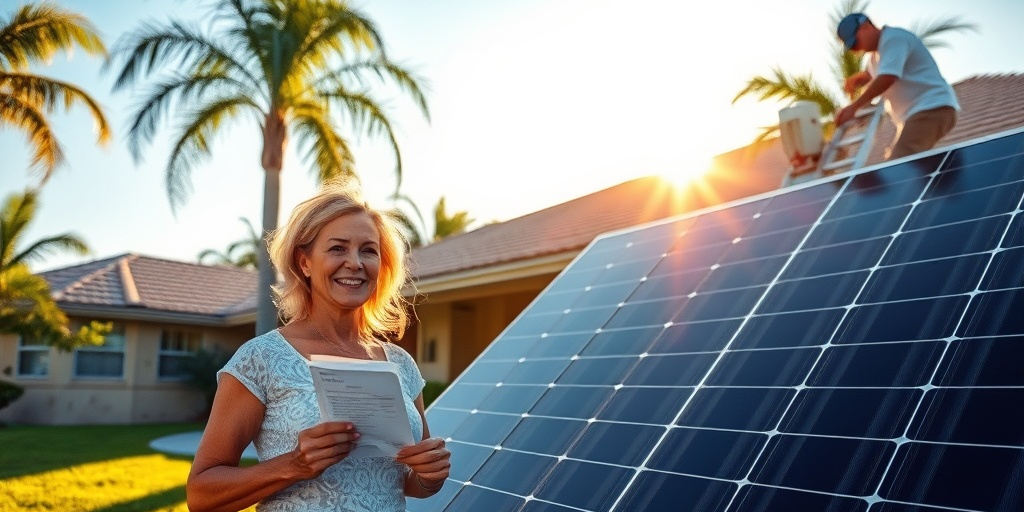
In the sunny landscapes of Florida, where the sun shines an average of 237 days a year, more residents are discovering a transformative path to energy independence. Did you know that, according to the Solar Energy Industries Association (SEIA.org), the state ranks third in the nation for solar power capacity? Additionally, a remarkable 20% of Florida’s electricity generation is now attributed to solar energy (Energy.gov). As we approach 2025, the urgency to shift to renewable energy sources becomes evident: rising utility costs, increasing climate concerns, and new federal incentives make it the perfect moment to consider solar panel installation. This article, titled Expert Insight: Solar Panel Installation Strategies for Energy Independence, will guide you through effective methods to achieve energy independence through strategic solar panel installations.
Solar panels aren’t just a trend; they reflect a significant shift in how we perceive energy consumption and production. Why should this matter to you in 2025? As inflation disrupts global markets and utility companies escalate prices, becoming less dependent on external energy sources is a tactic you can adopt today. In this article, we will explore five crucial sections designed to equip you with insights and actionable steps: 1) A deep dive into effective solar panel strategies through a case study; 2) A practical checklist for starting your solar journey; 3) Myth-busting common misconceptions about solar energy; 4) The local focus on Florida’s solar policies and incentives; and 5) A technical deep-dive into solar system components to cut costs and maximize savings.
Case Study: The Transformation of a Florida Homeowner’s Energy Future
To illustrate the profound impact of solar panel installation, let’s explore the story of Maria and John, a young couple living in Sarasota. Tired of watching their electric bills rise each month—with a recent increase of 15%—they began investigating solar energy options as a sustainable path forward. With Florida’s unique climate, it wasn’t just a financial decision; it also represented their commitment to reducing their carbon footprint.
They started by reaching out to Florida Electric & Solar, a local expert known for helping residents understand the benefits of solar energy. The consultation revealed that by switching to solar, they could reduce their monthly electric bill by approximately 60%, saving nearly $200 a month. The couple learned about the Florida Solar Energy Credit, which provides homeowners with significant tax savings (SEIA.org). After a thorough assessment of their roof’s solar potential, they scheduled an installation for a 7.4 kW solar panel system. The result? A significant decrease in their reliance on their local utility, and they even generated credits for any excess energy produced.
This transformation is prevalent, as more families like Maria and John are installing solar systems, contributing to Florida’s impressive growth in solar capacity. According to SEIA, the state is projected to reach over 10 gigawatts of installed solar capacity in the coming years, emphasizing the urgency for Florida homeowners to get on board with solar now, before prices for equipment and installations rise. This case story highlights not just the financial benefits, but the emotional return on investment—owning their energy means more security and peace of mind for their family’s future.
As you consider following Maria and John’s footsteps, here is a concise checklist of essential steps to strive for energy independence:
- Educate Yourself: Research the benefits of solar energy and how it can reduce your utility bills.
- Assess Your Roof: Check for shading issues and the condition of your roofing.
- Consult Experts: Reach out to local solar providers to explore your options.
- Understand Federal and State Incentives: Familiarize yourself with available tax credits and rebates.
- Plan the Installation: Choose the right installation timeline that fits your budget.
Myth-Busting: Common Misconceptions about Solar Energy
As you dive into the solar journey, it’s essential to navigate the misinformation surrounding solar technology. Below, we debunk several prevalent myths preventing many from realizing the benefits of solar energy.
- Myth #1: Solar Panels Are Only for Sunny States
In reality, solar panels generate energy even on cloudy days, and Florida’s climate means more sun exposure than many other regions. - Myth #2: Solar Energy is Too Expensive
With falling equipment costs, federal tax incentives, and state rebates, installing solar has never been more affordable. - Myth #3: Solar Panels Require Serious Maintenance
Solar panels are remarkably low-maintenance and only require occasional cleaning, making them easy for many homeowners to manage. - Myth #4: Solar Energy Won’t Save Me Enough Money
Statistics show that homeowners can save between $10,000–$30,000 over the lifespan of the system depending on usage (SolarReviews.com). - Myth #5: Installing Solar Panels Will Lower My Home’s Value
Actually, homes with solar energy systems often sell for more than comparable homes without them, making them an investment.
Addressing these myths ensures that you can approach solar energy with a clear mind, empowered to take advantage of the opportunities available.
Understanding Florida’s Solar Landscape
Florida’s solar energy policy landscape is vibrant and supports a growth-oriented mindset for homeowners. The state hosts several initiatives and programs designed to encourage the adoption of solar energy. Recognizing these opportunities can be your first step toward energy independence in 2025.
One of the most significant incentives is the Solar Energy Systems Performance-Based Incentive (PBI), which compensates homeowners for the electricity produced by their solar systems. Additionally, the Property Assessed Clean Energy (PACE) program allows homeowners to finance solar installations without upfront payments. In fact, PACE financing options can be repaid through property taxes, making it a very manageable choice for many families (NREL.gov).
Another important consideration is the net metering policies in Florida. Under these regulations, homeowners with solar panels can sell excess energy back to the grid at the retail rate, leading to credits on their electric bills. This means you’ll not only reduce your dependence on utility companies but can actively contribute to the energy supply, earning a financial return on your investment.
In supporting legislation, Florida’s legislature has set ambitious solar goals by aiming for 20% of the state’s electricity to be derived from renewable sources by 2040. Keeping up with the latest developments and how they impact you personally is crucial in this evolving energy landscape.
5 Best Practices for Solar Installation in 2025
As the demand for solar energy increases, so does the competition within the market. To ensure that you make the best choice in 2025, here are five expert installation tips you should consider:
- Don’t Skimp on Quality: Invest in high-quality solar panels and inverters to maximize efficiency. Aim for products with recognized ratings from organizations like the Solar Rating and Certification Corporation (SRCC).
- Proper Placement is Key: Ensure your panels are installed at an optimal angle and position to capture maximum sunlight.
- Hire Qualified Installers: Look for certified professionals who are experienced with solar installations in the Florida region. A good installer will also understand the local permitting processes.
- Consider Battery Storage: If budget allows, invest in battery storage systems to store excess energy and maximize utility savings.
- Stay Updated on Incentives: Regularly check for any changes in local solar incentives. Many homeowners qualify for different rebates that can significantly reduce costs.
These best practices will not only shape a successful installation experience but can also ensure that your solar energy system performs optimally throughout its lifespan.
A Homeowner’s Solar Journey: Real-World Insights
Imagine the journey of Jacob, another Florida homeowner who lived in Orlando and, like many, felt the pressure of fluctuating electric bills. Following a friend’s glowing recommendation, he decided to switch to solar energy, embarking on a transformation that exceeded all expectations.
After an initial consultation, Jacob learned about the importance of conducting a thorough energy audit to gauge current usage and long-term savings potential. Through diligent planning and management, he discovered he could entirely offset his electricity costs with a 5 kW solar system funded through the state’s PACE initiative.
Some of the key steps in Jacob’s journey included:
- Undergoing a complete energy audit that assessed his home’s energy usage.
- Researching system performance metrics and warranties associated with various products.
- Working with a trusted solar provider, monitoring the installation closely.
- Maintaining a focus on customer service, ensuring transparency throughout every step.
- Enjoying a seamless integration of solar energy, ultimately generating surplus electricity that earned him credits from the utility company.
This approach not only brought Jacob peace of mind but also positioned him as an advocate for solar energy success stories among his neighbors. His journey is a testament to how commitment and informed choices lead to significant savings and environmental benefits.
Next Steps for Florida Solar Buyers in 2025
So, how can you take the first steps toward your solar journey? Here are actionable steps to guide you through the process:
- Audit Your Electric Bill: Review your monthly expenses and analyze usage patterns to project future savings.
- Assess Your Property: Inspect your roof’s quality for solar compatibility, ensuring it can support a solar panel system.
- Consult with Experts: Engage with a trusted local solar provider, like Florida Electric & Solar, to explore your installation options.
- Explore Solar Financing Options: Familiarize yourself with the financial tools available, such as PACE or federal tax credits.
- Plan the Installation: Finalize contracts and schedule your installation in a timeline that suits you.
Taking these steps is fundamental in securing your energy independence while meeting your financial goals. Each stage equips you with the tools necessary to transition smoothly into a sustainable energy future.
In conclusion, Expert Insight: Solar Panel Installation Strategies for Energy Independence lays out a clear path to obtaining energy autonomy in sunny Florida. In the face of rising costs and an urgent need for sustainable energy solutions, the benefits of installing solar panels have never been clearer. You can join countless Floridians who have enhanced their lives and homes by embracing solar technology. Whether it’s through the potential for significant savings or simply the peace of mind that comes with energy ownership, this journey will redefine your relationship with energy for years to come.
Ready to start your solar journey in 2025? Connect with a certified expert at floridaelectricandsolar.com today.
Related Articles
More insights about Solar Panel

Florida Homeowners: Why Solar Panel Maintenance Is Essential

7 Essential Steps for Solar Panel Installation Success

Expert Insights: Key Factors Influencing Solar Panel Lifespan
Ready to Go Solar?
Have questions about solar energy? Our experts are here to help you make the switch to clean, renewable energy.