
Expert Insight: Proven Strategies for Solar Panel Lifespan Optimization
Share:
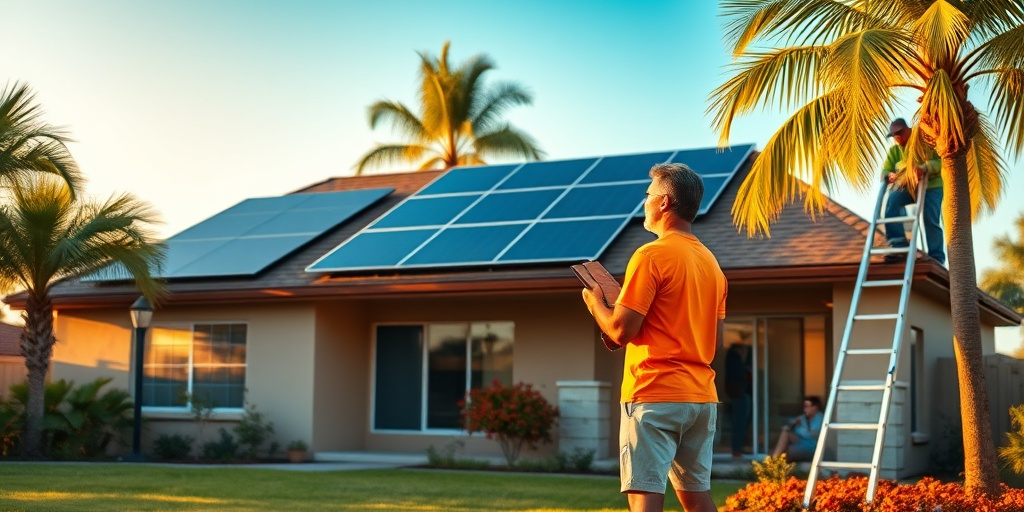
Imagine transforming your electric bill from a monthly burden into a source of savings and sustainability. With rising energy costs in Florida expected to reach an average of 50% higher by 2025, now is the time for homeowners and commercial property owners to consider the long-term benefits of solar energy. The sun-soaked state of Florida is rich with potential for harnessing solar power, making it an ideal landscape for installation. This context is vital as we dive into our topic today: Expert Insight: Proven Strategies for Solar Panel Lifespan Optimization.
Two critical facts underline the importance of this discussion: first, solar panels can last between 25 to 30 years, greatly outlasting many other home or system investments (SEIA.org). Second, with the help of innovative technology and a growing focus on energy efficiency, homeowners can enhance the durability and lifetime performance of their solar systems (SolarReviews.com). Maximizing solar savings while securing your investment through effective lifespan optimization strategies is crucial—especially as new incentives and policies pave the way for growth in the renewable energy sector across Florida.
In this comprehensive guide, we will explore:
- The angular deep dive into solar panel durability.
- Critical checklist items for maintenance and longevity.
- Common myths—busted!—regarding solar technology.
- Florida-specific insights and initiatives aimed at solar power optimization.
- An in-depth technical analysis tied to the latest advancements and policies.
Let’s embark on this enlightening journey—one that promises not just to enhance your understanding but also empowers you to make informed decisions about your solar future. The sun is shining bright in Florida, and so are your opportunities!
Understanding Durability: The Key Elements of Solar Panel Lifespan
Durability is the cornerstone of any lasting investment, and solar panels are no exception. Each component contributes to the system’s longevity, from the photovoltaic cells that generate energy to the inverters that convert it. To illustrate this, let’s examine the story of the Johnson family in Orlando, who originally hesitated to invest in solar energy due to concerns about initial costs and durability. The family was skeptical about whether they could trust the lifespan of the technology. But after installing a high-efficiency solar panel system, they’ve seen tangible benefits. Not only did their electric bills drop significantly, but the panels have required minimal maintenance, saving them time and money.
The Johnsons followed a checklist for their installation, ensuring they were well-informed about the various facets of their solar system. This included evaluating the quality and brand of solar panels and understanding local climate impacts on durability. Their experience is emblematic of the larger trend: as technology and materials improve, so does the expected lifespan of solar systems. Here’s your checklist for optimizing the durability of your investment:
- Choose Quality Components: Opt for high-efficiency solar panels with robust warranties (typically 25 years) from reputable manufacturers.
- Regular Maintenance: Schedule routine inspections and cleaning to ensure panels are debris-free and functioning at peak efficiency.
- Proper Installation: Utilize certified professionals for installation to avoid common pitfalls that can shorten lifespan.
- Location Assessment: Ensure panels are placed in optimal sunshine spots, avoiding obstructions that generate shading.
- Monitor Performance: Use monitoring software to track energy production and identify any issues early.
Now, let’s tackle some myths surrounding solar panels to further educate and empower you as a Florida homeowner.
Myths About Solar Panels: Debunking Common Misconceptions
Misunderstandings surrounding solar technology can dissuade potential adopters from taking the leap. Understanding the truth behind these myths can help you navigate the renewable energy landscape more effectively:
Myth #1: Solar Panels Don’t Work in Florida’s Humidity
Contrary to popular belief, solar panels actually perform well in humid climates as Florida’s ample sunshine compensates for increased humidity (NREL.gov).
Myth #2: Solar Energy is Too Expensive
While the upfront costs might seem significant, ongoing incentives and savings can lead to an impressive return on investment (SEIA.org).
Myth #3: Solar Panels Require Constant Maintenance
Regular maintenance is essential but minimal. Most systems only require periodic cleaning and checks, making them low-maintenance overall.
Myth #4: Solar Panels Reduce Home Value
In reality, solar energy systems often increase property value, making homes more attractive to potential buyers (SolarReviews.com).
Myth #5: You Need to Be Off-Grid for Solar to Work
On-grid solar systems allow homeowners to stay connected to the traditional grid while reaping the benefits of solar energy.
Arming yourself with knowledge is pivotal. By dispelling myths, you can confidently invest in enhancing your solar panel lifespan.
The Florida Advantage: Local Insights for Solar Lifespan Optimization
Florida is blessed with abundant sunshine—a veritable goldmine for solar energy. However, this blessing also comes with unique challenges, such as severe weather and humidity that can impact the performance and longevity of your solar systems. By understanding these localized factors, you can strategize effectively.
Here are key local considerations for Florida homeowners looking to optimize their solar panel lifespan:
- Choose Weather-Resistant Panels: With hurricane season lurking, selecting panels with high durability ratings will ensure they can withstand heavy rains and winds.
- Inspect Regularly for Damage: After severe weather events, conduct inspections to assess for any damage or debris accumulation.
- Adhere to Local Regulations: Stay informed about Florida-specific incentive programs that promote solar adoption and may include warranties or incentives for materials.
- Be Aware of Tax Credits: Take advantage of tax credits and government grants that help offset installation costs, enhancing your overall ROI.
As you explore these options, remember to consult with experienced professionals at floridaelectricandsolar.com for targeted solutions tailored to Florida’s unique climate challenges.
Technical Deep-Dive: Innovations and Strategies Impacting Lifespan
Understanding the technical details behind solar energy can illuminate best practices for maintenance and performance improvement. Innovations in solar technology are moving rapidly, leading to components built with greater longevity in mind. Here’s a closer look at those components:
- Photovoltaic Cells: Modern cells have advanced significantly, with manufacturers offering panels that utilize a combination of higher quality materials and innovative designs, providing increased efficiency and longer lifespans.
- Inverters: Inverters have also evolved, with micro-inverters being a popular option, as they function more efficiently over time than traditional string inverters.
- Energy Storage: Battery systems now offer longer cycle lives, helping to maintain energy output and efficiency, contributing to overall solar system durability.
It’s essential to stay informed about these advancements and leverage them to enhance your solar investment. For example, batteries with longer lifespans can help manage energy use more effectively, ensuring you’re less reliant on the grid and optimizing efficiency year-round. Such strategic adaptation is imperative, especially given the projected electricity rate hikes in the coming years.
Next Steps for Florida Solar Buyers in 2025
As you embark on your solar journey this year, incorporating effective strategies for longevity is crucial. Here’s a clear roadmap to navigate your solar experience with confidence:
- Audit Your Electric Bill: Understand your current energy consumption to better assess how a solar system can meet your needs and provide savings.
- Research Installation Companies: Take your time in selecting a qualified installer. Look for local experts with strong track records and excellent customer reviews.
- Schedule a Consultation: Consult with a solar energy expert to create a tailored plan that addresses your specific needs and goals for performance and longevity.
- Monitor and Adjust: Regularly track your energy production through monitoring systems to evaluate performance and take corrective actions as needed.
- Stay Informed: Keep abreast of changes in Florida’s solar market, including legislation and financial incentives that may emerge.
Maintaining flexibility in your approach is vital. As technology continues to improve, so will your options for energy independence and sustainability. Explore the myriad benefits offered by solar energy at floridaelectricandsolar.com and take the plunge into solar in 2025.
In conclusion, the journey to optimizing your solar panel lifespan is filled with actionable insights and practical strategies proven to enhance resilience and durability. Whether you’re a seasoned solar user or a newcomer to the community, making informed decisions will have lasting benefits for your home and pocketbook. The urgency to act—between rising energy costs and the evolution of solar incentives—has never been greater. Embrace this chance to secure your energy future; the sun is shining, and your investment deserves to shine bright alongside it.
Ready to start your solar journey in 2025? Connect with a certified expert at floridaelectricandsolar.com today.
Related Articles
More insights about Solar Panel

Florida Homeowners: Why Solar Panel Maintenance Is Essential

7 Essential Steps for Solar Panel Installation Success

Expert Insights: Key Factors Influencing Solar Panel Lifespan
Ready to Go Solar?
Have questions about solar energy? Our experts are here to help you make the switch to clean, renewable energy.