
Insider Tips for Maximizing Solar Panel Lifespan in Florida
Share:
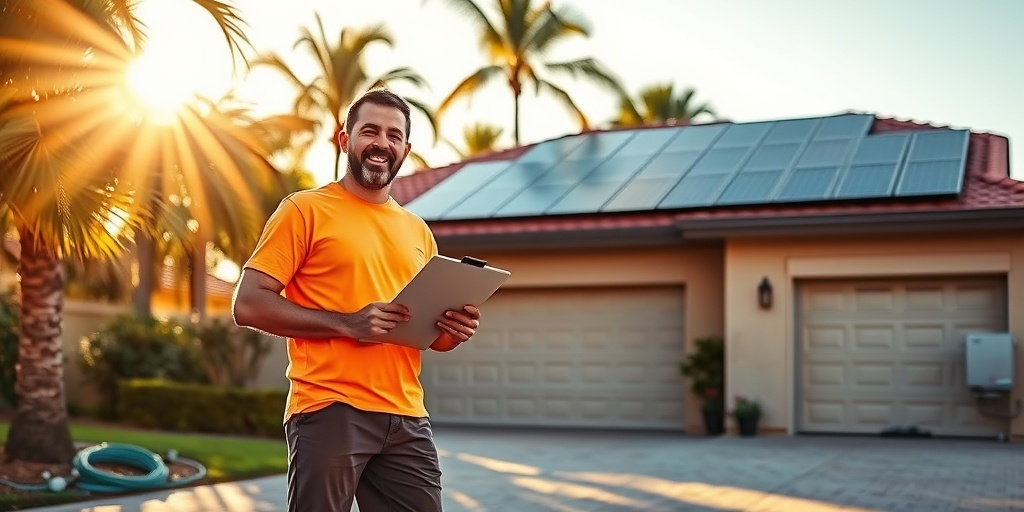
As the sun blazes brightly over Florida, it is impossible to ignore the undeniable facts: Solar energy usage in the state has been steadily on the rise. According to a report by the Solar Energy Industries Association, Florida ranked third in the nation for solar installations in 2022, with approximately 6.5 gigawatts of solar capacity (SEIA.org). Furthermore, a recent study revealed that homeowners can save an average of $1,500 per year on their electricity bills when utilizing solar energy (Energy.gov). With soaring energy costs expected in 2025 and generous solar incentives still providing financial relief, now is the time for Florida homeowners to maximize their solar investment by ensuring their systems run efficiently for years to come. This article discusses “Insider Tips for Maximizing Solar Panel Lifespan in Florida”—a necessary read for anyone looking to harness solar energy without encountering unexpected costs or complications.
In this comprehensive guide, you’ll uncover expert insider strategies that will help you extend the life of your solar panels while ensuring optimal performance. We’ll dive into five core sections that will educate you on key maintenance techniques, debunk common myths surrounding solar longevity, and provide actionable tips for managing your solar energy system during the heat of Florida’s summer. Get ready to explore the very best practices for solar energy maintenance, see how local considerations affect your investment, and take proactive steps today to enhance your system’s durability. By the end, you’ll have a roadmap tailored for Florida homeowners ready to maximize solar energy integration.
Understanding Solar Panel Lifespan and Maintenance
The journey toward maximizing solar panel lifespan requires both insight and commitment. When perfected, proper maintenance can yield extraordinary results, allowing you to realize the most value from your solar investment. Consider the story of Mary, a proud Florida homeowner who installed a solar system three years ago. Eager to cut down her electric bills and reduce her carbon footprint, Mary took an active role in the management of her system from the very beginning. However, even after diligent efforts, she could see minor reductions in energy production. This prompted her to seek professional advice, which uncovered critical maintenance steps that could significantly enhance the lifespan of her panels. Today, she enjoys not only an array of savings on her utility bills but also peace of mind knowing she is making a positive impact on the planet.
To ensure your panels are equally effective, here’s a checklist of crucial care practices tailored to Florida’s unique climate:
- Regular Cleaning & Maintenance: Dust, pollen, and debris can block sunlight absorption and decrease energy output. A seasonal cleaning regimen can help maintain efficiency.
- Monitor for Damage: After storms, check your system for any damage. Florida storms can be fierce, and proactive inspection is vital for long-term performance.
- Watch for Shade: Trim back any nearby trees or foliage that could cast shadows over the panels, enhancing their exposure to sunlight.
- Keep Inverters Functional: Inverter health is vital as these components convert solar energy into usable electricity. Ensure they’re regularly checked for optimal operation.
- Plan for Professional Maintenance: Schedule annual check-ups with a certified solar technician to address any potential issues before they escalate.
With these regular maintenance steps, not only will you sustain high energy generation, but you’ll also extend the life of your system well beyond the standard 25-year warranty.
Common Myths About Solar Panel Lifespan
There are several myths in the solar industry that can mislead homeowners and lead to inadequate care. Let’s dispel some of the most common misconceptions about the lifespan of solar panels:
Myth #1: Solar Panels Don’t Need Maintenance.
Many believe that once solar panels are installed, they function independently forever. This misconception can cost homeowners money down the line. Regular maintenance is essential to ensure performance remains high. Just as with an HVAC system or a car, solar panels require periodic checks.
Myth #2: Solar Panels Are Too Fragile.
Advancements in technology have strengthened the durability of solar panels. Most modern panels are designed to withstand extreme weather conditions typical in Florida, including hail and high winds. Homeowners should feel confident in the robust design of their solar systems.
Myth #3: Shady Areas Are Perfect for Solar Panels.
While some shade can positively affect temperature control, significant shade reduces energy production. It’s crucial to install panels in areas that receive direct sunlight to maximize efficiency.
Myth #4: It’s Too Late to Switch to Solar Energy.
The fact is, incentives for solar installations are still available, and with energy prices expected to increase, now is the ideal moment to harness the power of renewable energy. Procrastination can lead to missed opportunities for savings.
Myth #5: All Panels Last the Same Time.
The quality of solar panels varies widely. Investing in high-quality panels can truly make a difference in longevity and performance. Research manufacturer warranties and track records to choose the best option.
Understanding these myths ensures that homeowners can make informed decisions regarding solar panel maintenance and longevity.
Practical Best Practices for Solar Installation in 2025
For homeowners ready to take the plunge, understanding best practices for installation can help alleviate several common pitfalls. Here are five expert tips to ensure a successful solar installation:
1. Don’t Skimp on Panel Placement:
Optimal placement is key to maximizing your solar system’s efficiency. Work with an experienced installer to identify the best angles and orientations based on your property’s geography.
2. Choose Quality Over Quantity:
It might be tempting to select lower-rated panels simply because they are less expensive, but investing in high-quality panels with higher rating certifications can guarantee greater longevity.
3. Understand Your Inverter Options:
Inverters come in many varieties. Choosing the right type (string, micro, or central inverters) affects both system efficiency and maintenance requirements.
4. Don’t Ignore Utility Company Policies:
Understanding net metering and other utility policies can significantly impact savings. Contact your utility provider for details on interconnection and grid use.
5. Factor in Future Maintenance Costs:
Consider the total lifetime cost including maintenance fees when choosing your system. This foresight can save you from unexpected expenses down the road.
Embracing these best practices will set you up for success as you navigate your solar energy journey in 2025.
A Homeowner’s Solar Journey: The Smith Family
Meet the Smith family, a typical Florida family who decided to transition to solar energy after watching their electric bills rise. With four children and a busy household, they yearned for control over their energy costs and a change towards sustainability. After conducting thorough research and consultation with floridaelectricandsolar.com, they embarked on their solar journey.
- 1. Consultation & Education: They met with local solar experts to understand the financial implications. This discussion revealed that, with current incentives, they could save substantially.
- 2. Installation & Positioning: During installation, the family was deeply involved, ensuring that panels were optimally placed for maximum sunlight exposure.
- 3. Maintenance Commitment: They signed on to a maintenance plan, understanding the importance of regular check-ups, especially given Florida’s unpredictable weather patterns.
- 4. Tracking & Technology: Utilizing monitor technology, they tracked daily energy production and consumption, which kept them informed and engaged.
- 5. Community Involvement: After experiencing the benefits of solar energy firsthand, the Smith family spread the word throughout their community, sharing their remarkable journey.
Two years into their solar adventure, the Smith family has saved hundreds of dollars on their energy bills while enjoying the bountiful sun energy Florida is known for. They recognize the importance of ongoing maintenance and strategic monitoring in keeping performance high.
Taking Proactive Steps: Your Next Moves as a Florida Solar Buyer
If you’re considering solar energy, you may be wondering where to start. Here’s a practical action plan to guide your decisions:
Step 1: Audit Your Electric Bill:
Review past bills to comprehend your energy needs and determine how much solar power you should install. Identifying peak usage times will help you establish your energy production goals.
Step 2: Research & Compare Solar Providers:
Take time to investigate various providers. Read reviews, compare financing options, and ask about maintenance services. Knowing your options will empower you to make an informed decision.
Step 3: Invest in Quality Components:
Choose high-quality solar panels, inverters, and batteries. Quality equipment ensures your system runs efficiently and lasts longer, creating savings in the long run.
Step 4: Schedule Professional Installation:
Don’t attempt a DIY installation unless you have the expertise. Professional installers familiarize themselves with local codes and regulations to ensure compliance and optimal performance.
Step 5: Plan for Long-Term Maintenance:
Inquire about maintenance plans and warranty coverage. Long-term support can provide peace of mind as your system ages, further extending its lifespan.
By following these steps, you’ll be well-prepared to make informed choices about your solar investment, paving the way for a sustainable energy future.
Conclusion: Seize the Solar Opportunity in 2025
The knowledge you’ve gained about maximizing solar panel lifespan in Florida arms you with the resources and insights necessary to make educated decisions. By proactively maintaining your solar energy system and understanding common misconceptions, you’re poised not only to save money but also to embrace a more sustainable lifestyle. Solar energy can significantly reduce your carbon footprint, create energy security, and foster financial stability for years to come.
As we step into 2025, the solar landscape will continue to evolve. With rising utility rates and new technologies on the horizon, this is your moment to act. Invest in your future by considering solar energy not just as a sustainable solution, but as a long-term financial strategy. Remember, it’s never too late to transition to solar energy. Get started today and secure your position at the forefront of renewable energy.
Ready to start your solar journey in 2025? Connect with a certified expert at floridaelectricandsolar.com today.
Related Articles
More insights about Solar Panel

Florida Homeowners: Why Solar Panel Maintenance Is Essential

7 Essential Steps for Solar Panel Installation Success

Expert Insights: Key Factors Influencing Solar Panel Lifespan
Ready to Go Solar?
Have questions about solar energy? Our experts are here to help you make the switch to clean, renewable energy.