
Choosing the Right Inverter: A Technical Deep-Dive for Solar Systems
Share:
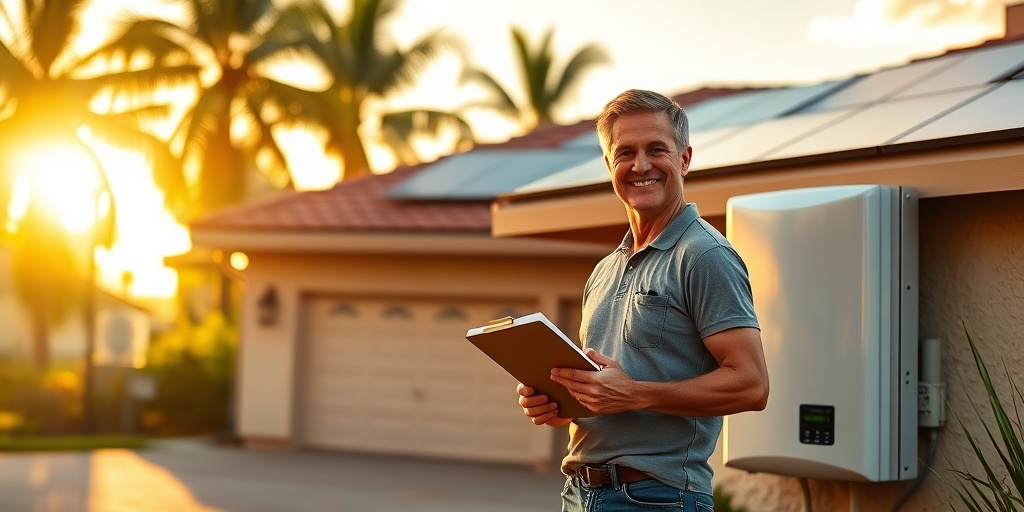
Choosing to switch to solar energy can be one of the most impactful decisions a Florida homeowner can make in 2025. As electricity prices continue to soar—up by 13% in just the last year alone (Energy.gov)—the urgency to explore alternative energy sources grows. Yet, amidst discussions on solar panels, batteries, and installation, one often-overlooked component holds significant influence over your solar system’s performance: the inverter. Welcome to “Choosing the Right Inverter: A Technical Deep-Dive for Solar Systems.” This in-depth exploration is designed to demystify the often-technical aspects of solar inverters and illuminate their impact on efficiency and energy savings. Did you know that an inverter can affect your energy yield by up to 20% depending on its efficiency and configuration? As homeowners seek to maximize their investments in solar technology, the inverter emerges as a crucial player on the field. In 2025, when incentives will still bolster state solar initiatives, understanding what inverter works best becomes a necessity. Over the following sections, we’ll examine compelling case studies, provide actionable checklists, dispel common myths, focus on Florida’s unique market, and delve into the technical aspects of inverters you must know.
Understanding the Importance of Inverters in Solar Systems
When selecting the right inverter for your solar power system, factors like efficiency, compatibility, and type come to the forefront. Let’s start with a case study that exemplifies the importance of this decision. Meet John, a homeowner living in Tampa, who installed a solar system in 2023. Initially, he chose a low-cost inverter to minimize his upfront expenses. However, a year later, he was disheartened to discover that his energy savings were significantly below expectations. After consulting with experts from Florida Electric & Solar, John realized that his inverter had a poor efficiency rating and was not optimized for his array configuration. The result? High voltage drop and lower overall performance, which cost him nearly $600 in lost savings each year.
To help avoid John’s mistake, here is a comprehensive checklist for selecting the right inverter:
- Understand Your Energy Needs: Evaluate your home’s energy consumption and figure out your solar array size.
- Explore Inverter Types: Choose between string inverters, microinverters, or power optimizers based on your energy use profile and the layout of your roof.
- Check Efficiency Ratings: Look for an inverter with at least a 95% efficiency rating, which can significantly impact your overall solar energy conversion.
- Assess Warranties: A solid product warranty—typically 5 to 10 years—indicates reliability and manufacturer confidence.
- Consult Local Installers: Choose a certified solar installer who understands Florida’s climate and local grid conditions, ensuring customized solutions for your needs.
Now, let’s also address some myths that often cloud the inverter selection process:
- Myth #1: All inverters are created equal.
Reality: Performance varies widely based on the technology and features of the model. - Myth #2: Higher-priced inverters are always better.
Reality: Value lies in efficiency and compatibility, not simply the price tag. - Myth #3: Solar warranties are universal.
Reality: Policies differ significantly by manufacturer; always read the fine print!
Focus on Florida-specific statistics reveals that about 70% of solar installations prefer using microinverters for their ability to operate independently, maximizing performance even when part of the system is shaded (SEIA.org). Understanding this choice is valuable in ensuring you harness peak performance from your solar setup. As we move forward, the technical deep dive will uncover more aspects of inverter technology and how this crucial component operates behind the scenes.
Exploring Inverter Types and Their Advantages
The solar inverter landscape is rich with choices, and understanding the nuances of each type can lead you to a decision that dramatically enhances your solar system’s performance. The primary inverter types include string inverters, microinverters, and power optimizers. Each has its unique benefits:
- String Inverters: Best for installations with minimal shading, string inverters are the most common type of solar inverter and convenient for their shared connections. They are great for reducing installation costs but may lead to energy losses in partially shaded panels.
- Microinverters: Especially beneficial for complicated roof layouts or shaded installations, microinverters maximize individual panel performance, accommodating different output levels from varied panels. However, they can involve higher installation costs.
- Power Optimizers: Combining features from both string inverters and microinverters, power optimizers work to maximize energy production at the panel level while still connecting to a string inverter. These are often a middle-ground choice for moderate shading.
To help pinpoint your best solar inverter, consider these critical factors:
- Efficiency Rating: Focus on inverters with higher DC-to-AC conversion efficiencies to minimize energy loss.
- Compatibility: Ensure your inverter works seamlessly with your chosen solar panels and batteries.
- Reliability: Review historical performance data and customer reviews—especially those specific to Florida’s climate conditions.
In 2025, the availability of advanced inverter technology, including smart inverters capable of real-time grid interaction, will become increasingly important as Florida strives to expand its renewable energy portfolio amid growing energy demands. The right inverter can secure your energy independence and lower utility costs in tandem.
5 Expert Solar Installation Tips for 2025
When it comes to achieving optimal solar efficiency, the installation process matters just as much as the equipment you choose. Homeowners navigating this landscape in 2025 should arm themselves with these expert installation tips.
- 1. Don’t skimp on panel placement: Optimal orientation and tilt can significantly influence energy generation. In Florida, panels facing southwest often yield better returns.
- 2. Prioritize shading considerations: Identify trees or structures that cast shadows on your system. Planning around potential shading issues can vastly improve overall performance.
- 3. Validate your installation team: Ensure your installers are certified and have a strong track record. Knowledge of local regulations and conditions is essential.
- 4. Seek additional features: Modern inverters come equipped with monitoring technology, allowing you to track performance and make necessary adjustments. Find one that offers this capability.
- 5. Review your system’s layout: Your inverter should be positioned where air flows freely and minimizes heat exposure, as overheating can lead to inefficiencies.
Recent data shows that expertly installed systems can produce 10-30% more energy than those with poorly executed installations (SolarReviews.com). To get the most out of your solar investment, keep these insights at the forefront of your planning. With potential savings and environmental benefits in sight, it’s time to think critically about your upcoming solar system installation.
The Solar Journey of a Florida Homeowner
Let’s dive into a narrative that showcases the transformation of a typical Florida homeowner from skepticism to success through solar implementation. Meet Sarah, who lives in Orlando. After educating herself about solar and assessing her electric bills, her initial skepticism about solar energy shifted once she reviewed potential savings. The tipping point came when she learned that Florida was offering generous incentives for solar installation. Sarah decided to consult with a local solar provider, where she was informed about the benefits of choosing a high-efficiency inverter.
Here are the steps she took:
- Research: She began researching solar technologies and reputable local providers.
- Consultation: After connecting with a certified expert via Florida Electric & Solar, she learned about different inverter types that would best suit her home.
- Site Assessment: The team conducted a comprehensive analysis of her property, optimizing panel placement and selecting a microinverter system compatible with her setup.
- Installation: The installation team executed a professional installation, ensuring everything complied with local codes and maximizing efficiency.
- Monitoring: They equipped her with a monitoring system to check performance daily, providing peace of mind and control.
According to the National Renewable Energy Laboratory (NREL.gov), a properly installed solar system with an efficient inverter can yield annual savings upwards of $1,200. Sarah now enjoys reduced energy bills and has significantly increased the value of her property, all while contributing to a greener Florida. Her story highlights how thoughtful planning, informed decision-making, and a focus on quality equipment can transform one’s relationship with energy consumption.
Next Steps for Florida Solar Buyers in 2025
Now, as a Florida homeowner eager to embrace solar energy, what are your next steps? Transitioning thoughtfully leads to meaningful results. Follow this actionable plan to move forward:
- Audit Your Electric Bill: Start by understanding your energy needs and consumption patterns to gauge potential savings.
- Schedule a Consultation: Reach out to certified solar experts to evaluate your options and find customized solutions.
- Choose the Right Equipment: Invest in a quality solar system, focusing on an efficient inverter based on your specific needs.
- Stay Updated on Local Regulations: Familiarize yourself with Florida’s rules on solar incentives and how to leverage them.
- Monitor Your System: Invest in monitoring solutions to track performance, achieve energy goals, and ensure long-term efficiency.
With the right preparation and assistance, any homeowner can successfully transition to solar energy while capitalizing on the numerous benefits available in Florida. Seize this opportunity; the rewards are undeniable!
Conclusion
By now, you should have a deeper understanding of the complex yet rewarding journey of selecting the right inverter for your solar power system. Whether it’s evaluating options through client case studies, misleading myths around inverter performance, or navigating local factors, knowledge empowers you to tap into the potential of solar technology in 2025. Remember, the right inverter doesn’t just represent a piece of equipment—it signifies a shift toward sustainability, financial savings, and energy independence. In a world where rising electric prices loom large, transitioning to solar is not merely an option, but an urgent necessity. So as you embark on this exciting journey, remember the potential savings, environmental impact, and your family’s future. Ready to start your solar journey in 2025? Connect with a certified expert at floridaelectricandsolar.com today.
Related Articles
More insights about Solar Inverter

10 Quick Tips for Choosing the Right Solar Inverter

Technical Deep-Dive: Choosing the Right Inverter for Solar Efficiency

The Ultimate Guide to Choosing the Right Inverter for Solar Systems
Ready to Go Solar?
Have questions about solar energy? Our experts are here to help you make the switch to clean, renewable energy.