
Expert Insights on Choosing the Right Inverter for Solar Systems
Share:
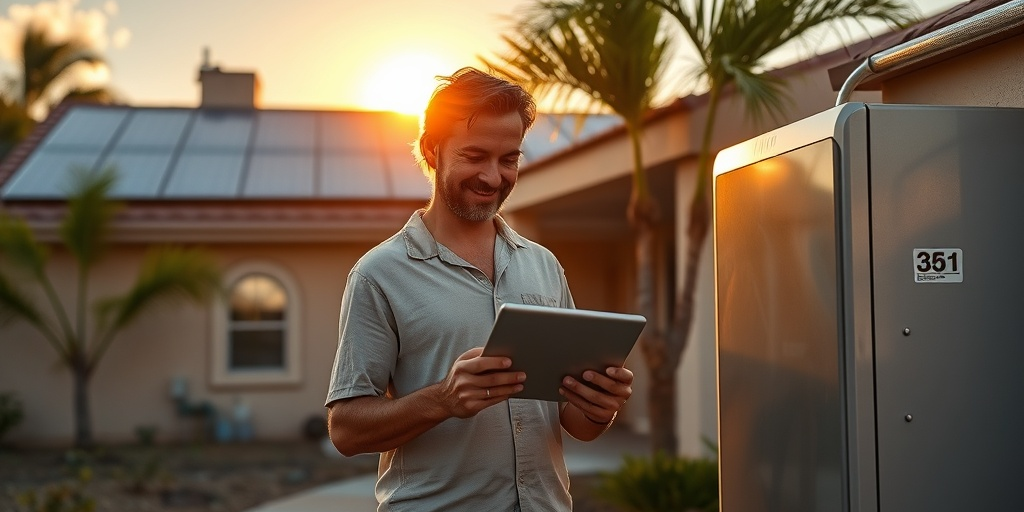
Did you know that nearly 90% of homeowners in Florida could reduce their electricity bills significantly by choosing the right solar inverter? As more Florida homeowners rush to harness solar energy in light of rising energy prices and attractive incentives, selecting the right inverter for their solar systems is becoming crucial. Mistaken choices can lead to wasted savings and suboptimal energy production, hurting homeowners when it matters most. In this article titled Expert Insights on Choosing the Right Inverter for Solar Systems, we dive deep into expert perspectives on optimizing energy efficiency and enhancing utility bill savings. According to the Solar Energy Industries Association (SEIA), Florida ranks third in the nation for installed solar capacity, meaning residents have an urgent opportunity to make informed decisions as we approach 2025. With innovative changes in technology and comprehensive federal incentives expected to expand, the time to act is now. In this article, we will cover five sections: a case study of inverter impact, an actionable inverter selection checklist, widespread myths about solar inverters, Florida’s unique dynamics, and a technical deep-dive into inverter functioning.
Understanding the Critical Role of Inverters in Solar Systems
Every solar panel user in Florida has one thing in common: they want to maximize their return on investment, but the path to success begins with choosing the right inverter. Let’s consider the story of Sarah, a homeowner in Saint Petersburg. Sarah decided to install a solar system to cut her utility bills and reduce her carbon footprint. However, she initially overlooked the significance of the inverter. Upon cranking up her brand-new panels, she realized her energy generation was below expectations. Why? She chose an inexpensive inverter that compromised efficiency. After much research, she upgraded to a high-performance model, which markedly boosted her savings by over $1,000 annually.
In Sarah’s journey, we can identify a few essential steps that homeowners should consider when selecting an inverter. Here’s a checklist:
- Evaluate Your Needs: Consider your energy consumption patterns and peak usage times.
- Research Inverter Types: Learn about string inverters, microinverters, and power optimizers.
- Assess Efficiency Ratings: Check the efficiency ratings; inverters with rates above 95% are ideal.
- Warranty Matters: Opt for products backed by long warranties, typically 10 to 25 years.
- Check Reviews: Look for consumer reviews about reliability and service.
Florida has some unique considerations when it comes to solar energy. For instance, the state’s net metering policy enables homeowners to receive credits for the electricity their solar systems export back to the grid, making inverter performance even more critical. According to floridaelectricandsolar.com, improper inverter selection could negate potential savings altogether.
Myth-Busting Common Misconceptions About Inverters
The choices homeowners face can sometimes be clouded by misconceptions. Let’s debunk some widespread myths that circulate around the solar inverter selection process:
- Myth #1: All Inverters Are Created Equal. This belief is far from the truth. Different inverter types cater to varying needs, such as shading, roof layout, and energy demands, affecting overall solar performance.
- Myth #2: The Cheapest Inverter is the Best Option. Many homeowners think that opting for budget options will save money. However, lower initial costs can lead to higher expenses down the road due to reduced efficiency and shorter lifespan.
- Myth #3: Only One Inverter Type is Needed. The solar market offers a mix of inverters that can work together, such as microinverters for partial shading and string inverters for other setups.
- Myth #4: Longer Warranties Guarantee Quality. While longer warranties may indicate reliability, they don’t always reflect real-world performance, so evaluating based on customer experience is beneficial.
- Myth #5: Maintenance Concerns are Minimal. Many homeowners overlook routine checks and maintenance, assuming inverters work fine on their own. Regular assessments ensure lasting performance.
With over 1.5 million solar systems installed across the state, many Floridians are falling prey to these myths, losing both energy efficiency and money. Over the years, statistics reveal that proper inverter choice contributes directly to enhanced solar production, positively impacting homeowners’ financial and environmental decisions (Energy.gov).
Local Dynamics Influencing Inverter Choices in Florida
Florida boasts unique solar dynamics that every homeowner must understand. Given that the Sunshine State is known for its abundant sunlight, the type of inverter chosen can heavily influence power production based on geographic factors:
- Inverter Type and Climate: In Florida, where humidity and rainfall can vary, certain inverters perform better in humid environments. Microinverters, for instance, are often preferred for better performance in shaded areas.
- Efficiency Ratings Matter: Florida’s intense heat can impact inverter performance. Therefore, buyers should monitor efficiency ratings in hot conditions to ensure consistent power production.
- Regional Incentives: Florida leads the country in its solar net metering regulations that cause small installation fluctuations across regions; understanding these laws can be beneficial when selecting inverters that work harmoniously with local policies.
Interestingly, Florida homeowners have seen 30% more savings on energy bills when their inverter systems are optimized according to local weather patterns and energy consumption habits. Consulting floridaelectricandsolar.com provides insight into local adaptations for optimal solar efficiency.
5 Expert Solar Installation Tips for 2025
As the year 2025 approaches, homeowners should be educated on best practices for successful solar installation, particularly focusing on inverter selection and performance:
Tip #1: Don’t Skimp On Quality. Always prioritize high-efficiency inverters over lower-priced options. A reliable inverter shall offer you the best long-term benefits.
Tip #2: Pay Attention to Placement. Positioning your inverters carefully will optimize their efficiency. Avoid shaded areas and ensure adequate ventilation to keep them cool.
Tip #3: Monitor Energy Production. Track your energy generation post-installation; it helps identify any dips in performance that might signal inverter issues.
Tip #4: Perform Regular Maintenance. Regular checks of your inverter system will assist in identifying issues early, prolonging life expectancy.
Tip #5: Leverage Advanced Technology. Consider embracing smart inverters with online monitoring features. These devices enable you to check your energy output in real-time, presenting an opportunity for improvement.
By 2025, Florida expects to transition into advanced solar technologies, making these installation tips extremely relevant. Homeowners investing in well-researched inverter choices and effective harnessing of solar power are likely to experience a considerable boost in benefits, which translates to enduring savings and improved sustainability.
A Florida Homeowner’s Solar Experience: The Journey to Solar Empowerment
Imagine a Florida family—Mark and Linda, who were frustrated by soaring electric bills in 2025. They had considered solar energy for years but were unsure about the practicalities. After conducting in-depth research, they realized the profound importance of choosing the right inverter. Once committed, they received multiple quotes, explored brands, and listened to neighboring families’ experiences to find their ideal inverter.
Throughout their journey, they identified four important elements of success:
- Understanding Local Policy: They educated themselves on Florida’s solar policies and net metering, ensuring they chose an inverter that maximized benefits.
- The Value of Referrals: Feedback from neighbors who had recently installed solar systems helped them filter better options and avoid pitfalls.
- Emphasizing Quality Over Cost: They quickly learned to choose inverters with higher efficiency, realizing the potential savings on electricity bills far outweighed higher upfront costs.
- Joining the Community: They connected to local solar advocacy groups, gaining insights into the best practices for inverter operation and long-term maintenance.
In the end, Mark and Linda saw their solar system produce 25% more energy than the previous owner’s system— aligning closely with industry reports showing proper inverter choice can boost solar efficiency up to 30% (NREL.gov). They received a tax credit and enjoyed substantial savings, happily warming themselves in the Florida sun.
Next Steps for Florida Solar Buyers in 2025
Ready to take that leap into solar energy? Here’s a clear action plan you can follow:
- Step 1: Audit Your Electric Bill. Understanding your current energy consumption will guide your future needs.
- Step 2: Research Inverter Options. Explore the efficiency ratings, types, and expected lifespans of different inverters available.
- Step 3: Consult Local Experts. Get quotes, recommendations, and expert advice from trusted solar installation companies—not just based on price but on emerging technologies.
- Step 4: Make a Well-Informed Decision. Weigh all the factors we discussed earlier for the best overall fit for your unique situation.
- Step 5: Complete Installation! Plan your installation during favorable weather conditions to prevent any installation delays and ensure reliability.
As you prepare to take action, remember that the decision to harness solar power is among the most financially and environmentally conscious decisions you can make. For more personalized advice and trustworthy information, visit floridaelectricandsolar.com.
In conclusion, as discussed throughout this journey in our exploration titled Expert Insights on Choosing the Right Inverter for Solar Systems, the right inverter is pivotal to optimizing energy efficiencies and enhancing utility bill savings. Whether you are exploring solar options for the first time or refining your existing system, the implications of your inverter choice will echo through your financial well-being and sustainability commitment. With rising energy costs, promising incentives, and considerable upgrades to solar technologies on the horizon, the need to act is urgent in 2025. Make this decision count for what matters most—your family, your savings, and the planet.
Ready to start your solar journey in 2025? Connect with a certified expert at floridaelectricandsolar.com today.
Related Articles
More insights about Solar Inverter

10 Quick Tips for Choosing the Right Solar Inverter

Technical Deep-Dive: Choosing the Right Inverter for Solar Efficiency

The Ultimate Guide to Choosing the Right Inverter for Solar Systems
Ready to Go Solar?
Have questions about solar energy? Our experts are here to help you make the switch to clean, renewable energy.