
Myth-Buster: Debunking 5 Misconceptions About Solar Panel Installation
Share:
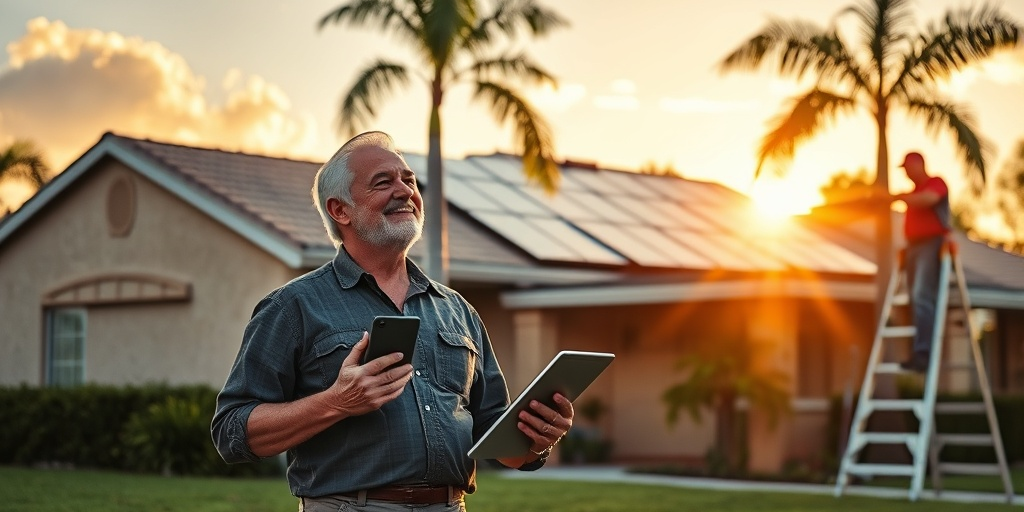
As of 2025, Florida homeowners are facing unprecedented challenges with rising energy costs and increasing grid instability, making the transition to solar power not only a wise choice but a necessary one. Did you know that over the past decade, the average electricity price in Florida has increased by more than 30%? This trend is set to continue, and it’s forcing many homeowners to seek alternative energy solutions. However, despite the benefits, common misconceptions about solar panel installation often deter individuals from making the leap toward sustainable energy. In this article titled “Myth-Buster: Debunking 5 Misconceptions About Solar Panel Installation”, we aim to clear the air. A recent survey revealed that nearly 70% of Floridians are still unsure about switching to solar due to myths that persist in the industry (SolarReviews.com). It is crucial to address these misconceptions urgently, as the solar market is evolving rapidly, with numerous incentives for homeowners waiting to be unlocked.
In this in-depth blog post, we will explore five major myths surrounding solar panel installation and provide you with factual information to help you make an informed decision. We will examine a real case study that illustrates the financial benefits of going solar, deliver a practical checklist for potential solar buyers, debunk widespread myths, provide localized insights specific to Florida’s unique market, and present a technical deep-dive into how solar systems operate. By the end of this article, you will have a comprehensive understanding of the realities surrounding solar energy, empowering you to take the next step toward energy independence.
Myth #1: Solar Panels Are Too Expensive for the Average Homeowner
Imagine a young couple, Sarah and Mark, living in a cozy home in Orlando, Florida. They were unsure whether solar power was worth the investment until they learned of the significant financial relief it could bring. After a detailed evaluation of their energy bills and the costs associated with solar panel installation, they discovered an incredible opportunity.
Case Study: Sarah and Mark decided to install solar panels after receiving a quote from Florida Electric & Solar. The initial investment was around $20,000, which they found daunting. However, they learned about federal tax credits, net metering, and financing options that made solar energy more accessible. They calculated that with the current incentives, their effective cost would drop by 30% (DSIREUSA.org). Once their solar panels were installed, their electric bill plummeted to near-zero.
Checklist: How to Assess Solar Costs
To evaluate whether solar is financially viable for you, here are some actionable steps:
- Step 1: Analyze your energy consumption by reviewing your electric bills for the past year.
- Step 2: Research local solar providers to obtain several quotes and understand your financing options.
- Step 3: Investigate federal and state incentives that may apply, including the Solar Investment Tax Credit (ITC).
- Step 4: Understand your credit score’s potential impact on financing.
- Step 5: Calculate your estimated savings over time by examining potential tax credits and increased home value.
Myth Buster: One commonly held belief is that solar panels are simply too expensive for most homeowners. However, with available federal tax credits, state incentives, and financing options, the average total cost drops significantly. In many cases, solar panel installation can save homeowners upwards of $1,500 annually on their electric bills (SEIA.org), proving that the long-term savings far outweigh the initial concerns about costs.
Local Focus: In Florida, the state legislature is actively promoting solar energy through various incentives. For instance, the state’s Property Assessed Clean Energy (PACE) financing program allows homeowners to finance solar installations at low interest rates. This local initiative changes the financial landscape dramatically, making it easier for residents to adopt solar power.
Technical Deep-Dive: Understanding how solar systems operate can also alleviate concerns regarding cost. Solar panels convert sunlight into electricity via photovoltaic cells. This electricity can power your entire home or be fed back into the grid for credits, effectively reducing costs to near zero. The longevity of solar panels—often lasting 25 years or more—means that while the upfront investment is significant, it becomes increasingly cost-effective over time.
With this understanding, Sarah and Mark went ahead with their installation, ultimately achieving their goal of large savings and environmental responsibility. The true cost of solar is significantly less than either they or you might think—now that you have the facts.
Myth #2: Solar Panels Are Ineffective in Cloudy or Rainy Weather
One of the most pervasive myths about solar energy is that solar panels perform poorly in less-than-ideal weather conditions. While sunlight plays a crucial role in how effectively solar panels generate energy, it’s not the only factor that influences their efficiency.
Interesting fact: Solar panels can still generate electricity on cloudy days—up to 25% of their typical output—due to indirect sunlight (SolarReviews.com). Additionally, rain can actually enhance solar panel efficiency by washing away dust and debris that may obstruct solar collection.
KeyListing: Here are several important points regarding solar energy performance:
- Solar Efficiency: Today’s solar technologies harness both direct and diffuse sunlight effectively.
- Low-light Technology: Some panels are specifically designed to work better in low-light conditions, making them suitable for variable climates.
- System Monitoring: Many systems come equipped with monitoring software that informs users of anticipated energy production, allowing for better planning and use of energy outputs throughout the day.
Myth Buster: The belief that solar panels are ineffective in cloudy or rainy weather is misleading. While performance may decrease compared to sunnier days, solar panels are designed to capture as much available sunlight as possible. Consequently, they remain functional even during overcast conditions, ensuring that homeowners can continuously benefit from their investment.
Local Focus: In Florida, where tropical storms and clouds are common, homeowners must choose solar technologies that withstand unpredictability while ensuring efficiency. A reliable solar provider will offer products explicitly designed for Florida’s unique climate. Insights from local experts familiar with varying weather patterns can aid homeowners in making informed decisions on solar technology.
Technical Deep-Dive: Understanding how weather patterns affect energy generation is essential. Systems can incorporate battery backup to store energy generated on sunny days for use when conditions are less favorable, thus ensuring homeowners are never without power.
Myth #3: You Can’t Sell Your Home with Solar Panels Installed
Many prospective solar buyers are hesitant to invest because they believe solar panels complicate the home-selling process. This notion is utterly unfounded, and it’s time to debunk this myth.
Consider the story of Jennifer, who recently decided to sell her home in Sarasota, Florida. It had been equipped with solar panels for over five years. Instead of dissuading potential buyers, her solar installation attracted attention, as it was a unique selling proposition. In fact, homes with solar installations in Florida can sell for an average of 4.1% more than their non-solar counterparts (SEIA.org).
Checklist for Sellers: If you’re considering selling your home with solar panels, here’s what you should do:
- Step 1: Gather documentation regarding the solar system’s installation, warranties, and energy production statistics.
- Step 2: Work with a real estate agent experienced in selling homes with solar energy systems.
- Step 3: Emphasize the long-term savings on energy costs during open houses or viewings.
- Step 4: Educate potential buyers about the system’s performance—metrics, warranties, and how it functions during extreme weather.
- Step 5: Consider transferring the solar contract to buyers if applicable, making the transition seamless.
Myth Buster: The myth that solar panels negatively impact home resale value is not only false; it’s a misunderstanding of market trends. Homeowners should know that solar installations often enhance property values and offer unique selling points in listings, making homes with solar energy more desirable in a competitive market.
Local Focus: In regions like Florida, where energy costs are notoriously high, having solar panels is especially advantageous. Local property appraisers often recognize the increased value of homes equipped with solar technology, making them more appealing to buyers. Homeowners considering selling should leverage this local knowledge to get the most out of their solar investment.
Technical Deep-Dive: Various financing options exist for solar panels—some conditions allow for leased systems to be transferred to prospective buyers, often leading to smoother transitions. Understanding these options further highlights the benefits of investing in solar energy.
Myth #4: Solar Installation Takes Too Long
The perception that solar energy projects take a considerable amount of time to install is a widespread concern. This notion often leads homeowners to delay their decision, fearing it will disrupt their lives. However, this is a myth that needs to be dispelled.
The process of installing solar panels is becoming increasingly more efficient due to technological advancements and optimized installation practices. On average, solar installations are completed within a range of 1 to 3 days, depending on the system size and complexity (Energy.gov). Additionally, with strides in permitting processes, many local governments in Florida have streamlined the approval process, enabling quicker solar deployments.
Checklist for Installation: Here are some key steps to expedite your solar installation process:
- Step 1: Conduct thorough research and select qualified solar installers early in the decision-making process.
- Step 2: Prepare your home through any necessary repairs to maximize installation efficiency.
- Step 3: Gather documents and necessary permits required for installation ahead of time.
- Step 4: Maintain clear communication with your installation team throughout the process.
- Step 5: Schedule inspections on suitable days to reduce waiting time.
Myth Buster: The misconception that solar installations are overly time-consuming is increasingly outdated. With effective project management and advances in technology, installations can be completed efficiently. The only real delays arise from permitting processes, which are gradually improving across Florida.
Local Focus: Local builder associations are collaborating with solar companies to promote expedited installations while adhering to regulatory guidelines in Florida. Homeowners should work with local experts who understand the nuances of the permitting process for quicker results.
Technical Deep-Dive: When planning your solar installation, it’s advisable to review system designs and mock-ups with your installer. Engaging in pre-installation planning will contribute to a streamlined experience, enabling you to enjoy solar savings without lengthy delays.
Myth #5: Solar Power Isn’t Reliable
Last but not least, reliability is often a concern for those considering solar energy. Many homeowners believe that solar power cannot provide consistent energy, especially during outages or at night. If this is your belief, it’s time to recognize the truth.
Solar energy systems can be paired with battery storage solutions to provide a reliable energy source regardless of the time of day. For example, Florida families can store excess solar power generated during the day to use at night or during emergencies. Battery technology is evolving rapidly, with systems like the Tesla Powerwall allowing homeowners to harness energy efficiently (NREL.gov).
Checklist for Improving Reliability: To enhance the reliability of your solar energy system, consider the following:
- Step 1: Explore battery storage options augmented with your solar installation.
- Step 2: Research the inverter system choices available—some will maintain power flow during outages.
- Step 3: Assess your energy consumption needs to determine the size of your battery system.
- Step 4: Consult with your solar provider to identify the best technology options for your home.
- Step 5: Regularly maintain your system to ensure optimal performance year-round.
Myth Buster: Solar power is a reliable solution for homeowners, especially when combined with energy storage systems. The misconception that solar energy isn’t dependable is unfounded, as advancements and smart technologies are reshaping how homeowners can access constant energy.
Local Focus: Florida is pushing for increased electrical grid resilience, further bolstering solar energy dependence and reliability. Initiatives are in place to modernize the grid, enabling solar users to experience fewer outages and enhanced performance.
Technical Deep-Dive: Understanding that solar energy can meet a household’s energy needs adequately requires careful consideration of home energy management systems (HEMS). These devices allow homeowners to monitor and track their energy consumption, empowering them to leverage solar energy intelligently.
Next Steps for Florida Solar Buyers in 2025
As you progress towards your solar energy transition, it’s essential to take specific actions to ensure that your decision leads to sustainable savings and energy independence. Here’s a concise roadmap to follow:
Step 1: Conduct an electric bill audit.
Examine your past energy consumption to understand how solar can offset costs.
Step 2: Schedule consultations with local solar providers.
Discuss your needs and explore different products available on the market.
Step 3: Apply for relevant solar financing and incentives.
Maximize your savings by utilizing federal tax credits and state initiatives.
Step 4: Plan your installation carefully with your solar team.
Discuss your unique energy needs to install the right system for your home.
Step 5: Regularly monitor and maintain your system.
Stay engaged with your energy usage and make adjustments as necessary.
Your solar journey can be exciting and rewarding, both financially and environmentally, shifting you toward a sustainable future. You have the opportunity to take action in 2025, and informed choices now can positively impact your long-term energy situation.
As you’ve learned, the myths surrounding solar energy are not backed by fact or recent trends. With financial incentives at your fingertips and technological advancements paving the way for smarter energy solutions, there is no better time than now to invest in solar power.
Ready to start your solar journey in 2025? Connect with a certified expert at floridaelectricandsolar.com today.
Related Articles
More insights about Solar Panel

Florida Homeowners: Why Solar Panel Maintenance Is Essential

7 Essential Steps for Solar Panel Installation Success

Expert Insights: Key Factors Influencing Solar Panel Lifespan
Ready to Go Solar?
Have questions about solar energy? Our experts are here to help you make the switch to clean, renewable energy.