
7 Essential Tips for Choosing the Right Solar Inverter
Share:
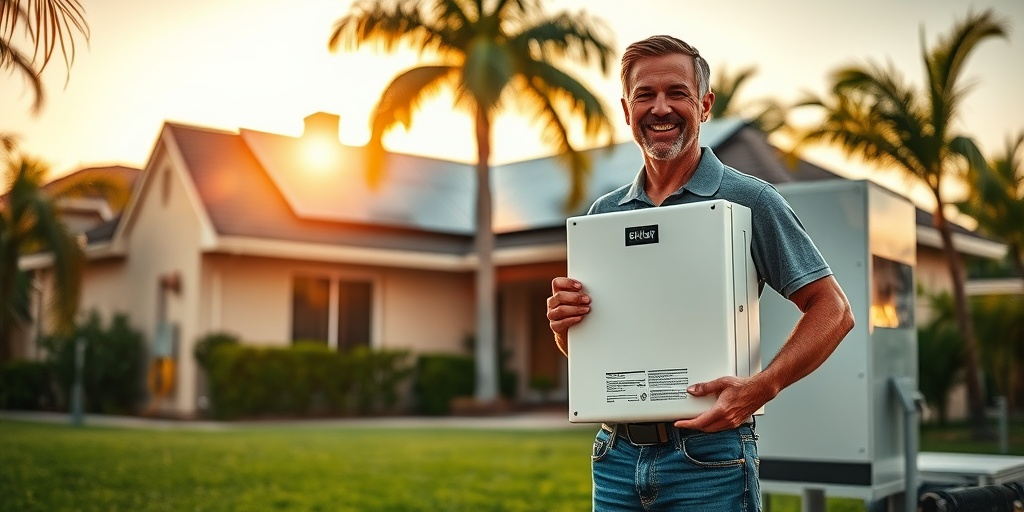
As energy costs are projected to rise by 9% in 2025 (Energy.gov), Florida homeowners are faced with an urgent question: How can you safeguard yourself from soaring electric bills and make a sustainable choice for your family? Going solar is not just an option anymore; it is a necessity. Choosing the right solar inverter is a critical part of ensuring you get the most out of your solar energy investment. That’s where our guide, 7 Essential Tips for Choosing the Right Solar Inverter, comes in. Not only can selecting the right inverter significantly impact your energy savings, but it can also enhance the efficiency and lifespan of your solar system. Did you know that around 70% of solar installations in Florida end up underperforming due to poor inverter choices? This startling statistic underscores the importance of making informed decisions in solar system design, especially with new government incentives rolling out in 2025. In this article, we will explore five key sections to guide you in making the best choice for your solar inverter, including a deep dive into case studies, practical checklists, common myths, localized insights, and advanced technical details to keep in mind when going solar.
Understanding Your Options: A Case Study on Solar Inverters
To illustrate the stark difference in inverter choices, let’s consider the case of the Rodriguez family from Orlando, Florida. They decided to switch to solar after enduring hefty energy bills that topped $300 a month. Like many, they were initially overwhelmed by the choices they had to make, leading them to hastily select a generic inverter that promised great performance. However, over time, they found that their solar system wasn’t as efficient as they thought. After several months, they realized that their inverter was limiting the energy production of their solar panels, leading to significant financial losses.
This experience is not uncommon. In fact, studies show that homeowners who invest in high-quality solar inverters can achieve efficiencies of up to 20% more than those who do not (SEIA.org). Here are the essential steps that the Rodriguez family should have taken when choosing the right solar inverter:
- Step 1: Research inverter types—string, micro, and power optimizers.
- Step 2: Compare brand reliability and warranties.
- Step 3: Assess your specific energy needs and guarantees.
- Step 4: Consult local solar companies for tailored suggestions.
- Step 5: Monitor performance post-installation to make data-driven choices.
Ultimately, opting for quality and diligence in selection can save homeowners thousands in the long term. In the Rodriguez family’s case, a simple pivot in choosing the right inverter could have ensured they maximized their solar savings while also contributing to their energy independence.
As we continue, we will explore the must-know checklist you should follow before making this pivotal purchase decision.
Your Essential Checklist for Choosing the Right Solar Inverter
Step 1: Understand the Inverter Types. Selecting between string inverters, micro-inverters, and power optimizers is the first crucial step. In Florida, where sun exposure is abundant, micro-inverters can be a great choice as they allow each panel to perform independently, providing more energy capture (Energy.gov).
Step 2: Evaluate Efficiency Ratings. The efficiency rating of your inverter plays a crucial role. Look for inverters with efficiency ratings above 95%, as every percentage point significantly affects your energy production. Keep an eye out for the CEC (California Energy Commission) rating as a trust signal.
Step 3: Consider Brand Reputation. Not all brands are created equal. Trusted names like SMA, Enphase, and SolarEdge have established themselves with proven reliability in Florida’s challenging weather conditions. Verify that the brand of your choice has a history of durable and high-performing products.
Step 4: Review Warranties Carefully. Warranties indicate both the manufacturer’s confidence and your error risk. Look for inverters that come with a warranty period of at least 10 years—anything less raises red flags.
Step 5: Seek Professional Advice. Consult knowledgeable local solar installers to help navigate the options. They can provide insights about the most appropriate inverters relative to Florida’s climate and your unique energy needs.
By following these checklist items, you can ensure that you choose an inverter that maximizes your solar output and minimizes your costs. As we delve deeper into some of the more prevalent myths surrounding solar inverters, it’s vital to arm yourself with facts.
Myth-Buster: Debunking Common Misconceptions About Solar Inverters
Myth #1: All Solar Inverters are the Same. Many consumers believe that inverters are interchangeable; however, each type offers unique advantages and shortcomings. For instance, while string inverters are more affordable, they can underperform if even one panel is shaded (SolarReviews.com).
Myth #2: Higher Price Means Better Quality. While it’s true that some premium brands offer better products, higher prices don’t automatically guarantee superior results. It’s crucial to compare features, warranty, and reputation rather than just focusing on the price tag.
Myth #3: Installation Doesn’t Impact Inverter Performance. Professional installation is critical. A poorly installed inverter can lead to myriad issues, including decreased efficiency and higher maintenance costs. Always opt for certified installers with strong local reputations (SEIA.org).
Myth #4: Inverters Require Frequent Replacement. Modern solar inverters have significantly improved in longevity and reliability, often lasting 10 to 25 years. Choosing quality products can minimize the need for frequent replacements.
Myth #5: Any Electrician Can Install My Inverter. Inverter installation is specialized work requiring knowledge of both solar technology and electrical systems. Always hire licensed solar professionals for installation to ensure everything functions correctly (Energy.gov).
Challenging these myths enables Florida homeowners to make informed decisions. By debunking misconceptions, you can be empowered to select a quality inverter that meets your energy needs. Our next section will focus on Florida-specific factors that should influence your inverter selection process.
Florida-Specific Factors to Consider
In 2025, the Florida solar landscape is evolving rapidly, with new incentives and policy changes enabling homeowners to maximize benefits. To make an informed choice, keep these Florida-specific elements in mind:
- Net Metering Policies: Florida’s net metering policy allows solar users to receive credit for the excess energy they send back to the grid. Choosing a high-quality inverter can maximize the amount of excess energy captured, allowing homeowners to benefit financially.
- Heat and Humidity Effects: Florida’s warm climate can pose threats to inverter performance. Ensure that your chosen inverter is rated for high temperatures and offers good operating conditions to adapt (NREL.gov).
- Local Utility Partnerships: Some installers partner with local utilities, allowing for added benefits like rebates or savings on installation costs. Research available partnerships in your area, which can significantly enhance your overall savings.
- Current Demand: As solar demand surges in Florida, reputable suppliers may see longer lead times on popular inverter models. Plan ahead to ensure you have the correct inverter on time for installation, especially considering that supply issues could impact pricing and availability.
- Local Expertise Matters: Consult local professionals who are knowledgeable about Florida’s unique energy landscape. They can help navigate the evolving regulations and incentives that benefit your solar investments.
By understanding these Florida-focused factors, you will be better prepared to choose the right inverter that meets both energy production and sustainability goals. As we round out this guide, let’s tackle some best practices for installation in 2025.
5 Expert Solar Installation Tips for 2025
As the solar landscape shifts, adopting best practices for your installation becomes crucial to efficiency, savings, and satisfaction. Here are five expert tips to bear in mind:
- Don’t Skimp on Quality Installation: Choose a certified solar installer who has extensive experience with local regulations and requirements. The expertise will play a crucial role in ensuring operational efficiency.
- Prioritize Panel Orientation: Ideally, your panels should face south and have a tilt angle that maximizes sun exposure. If the orientation is compromised, it might necessitate a more advanced inverter.
- Consider Energy Storage Systems: If your budget permits, investing in a battery storage system can be game-changing, ensuring you have power during outages and peak hours.
- Perform Regular Maintenance Checks: Keeping your system clean and verified regularly allows for efficient performance over time. Check connections and cleanliness to prolong your inverter and panel lifespan.
- Adapt to New Technologies: With ongoing advancements in solar inverter technology, remain flexible in engaging newer models that may offer enhanced functionalities such as smart inverters.
These installation tips not only enhance the overall performance of your solar array but ensure long-term savings for years to come. As we wrap up our comprehensive guide on choosing the right inverter, it’s essential to have a clear action plan moving forward.
Next Steps for Florida Solar Buyers in 2025
Now that you’re equipped with all this knowledge, the next steps are crucial for securing the right solar inverter for your needs. Follow this action plan:
- Step 1: Audit Your Electric Bill. Analyze your electricity usage habits to understand your energy needs. This will help you determine the capacity and type of inverter that suits you best.
- Step 2: Evaluate Solar Providers. Look for trusted local solar companies and request their expertise on inverters, installation costs, and financing options tailored to your needs.
- Step 3: Ask Questions. Don’t hesitate to pose questions to your selected provider about their recommended inverter types, warranty details, and expected performance under Florida conditions.
- Step 4: Verify Incentives. Research any available local, state, and federal incentives that can help offset installation costs and maximize your investment (NREL.gov).
- Step 5: Schedule an In-Person Assessment. Once you narrow down your choices, schedule an appointment with your solar provider for an on-site evaluation to solidify a tailored proposal.
Being proactive in these steps will allow you to navigate the solar installation process seamlessly, transforming power ownership into a tangible reality. With knowledge and planning, the benefits of solar can extend beyond just sustainability; they can reshape your financial future.
Recapping the journey through the critical aspects of selecting a solar inverter, it becomes clear how interconnected your choices are with long-term savings and energy independence. The urgency to act in 2025 isn’t just about capitalizing on incentives. It’s about to take a stand against rising energy costs, empowering your family, and creating a sustainable future for generations to come. Are you ready to take the plunge into solar energy? Ready to start your solar journey in 2025? Connect with a certified expert at floridaelectricandsolar.com today.
Related Articles
More insights about Solar Inverter

10 Quick Tips for Choosing the Right Solar Inverter

Technical Deep-Dive: Choosing the Right Inverter for Solar Efficiency

The Ultimate Guide to Choosing the Right Inverter for Solar Systems
Ready to Go Solar?
Have questions about solar energy? Our experts are here to help you make the switch to clean, renewable energy.