
What Are the Basic Steps for Solar Panel Installation?
Share:
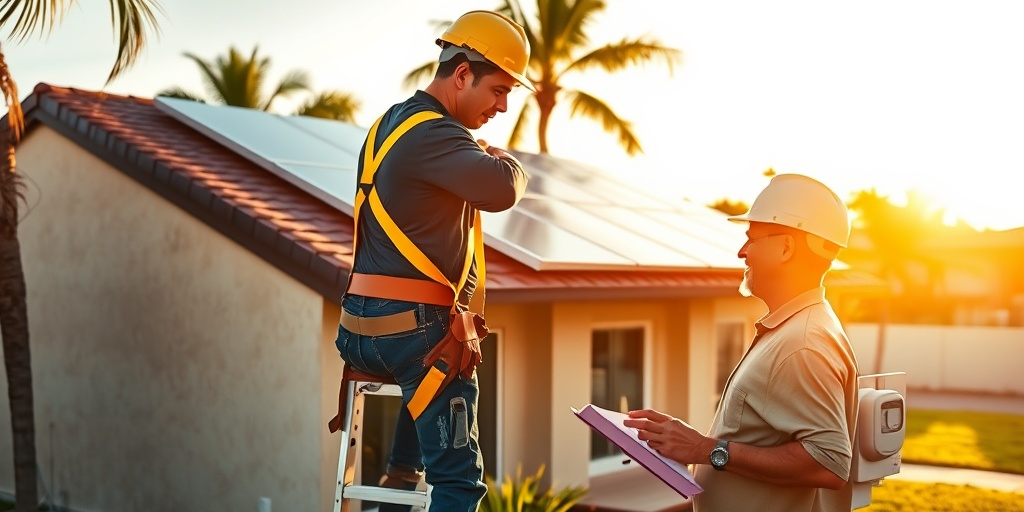
In the sunshine state of Florida, where the sun shines over 300 days a year, solar panel systems have never been more essential for homeowners looking to cut their energy costs. Did you know that homeowners can save an average of $20,000 over 20 years by switching to solar? With rising energy costs and a shift in national policy favoring renewable energy, Florida homeowners have a golden opportunity to invest in solar power. That’s why understanding the basic steps for solar panel installation is vital for those considering this transition. In this blog post titled, What Are the Basic Steps for Solar Panel Installation?, we will delve into the essential processes involved in going solar, ensuring that you feel confident and informed as you embark on this journey.
By 2025, new solar incentives will make now the perfect time to consider solar energy, especially given that over 1 million solar installations nationwide have been completed (SEIA.org). As Florida’s electric grid faces instability from extreme weather events and increasing demand, transitioning to solar power has become a proactive choice for many property owners. But where do you start?
In this comprehensive guide, we will cover the following five segments:
- Section 1: An angled deep dive into the steps and a case study of a Florida homeowner.
- Section 2: A checklist of actions to take when considering solar installation.
- Section 3: Busting myths around solar power for a clearer understanding.
- Section 4: A narrative focusing on local initiatives boosting solar adoption in Florida.
- Section 5: Concrete action steps for Florida solar buyers in 2025.
Ready to illuminate your path to sustainable energy? Let’s get started!
An In-Depth Look at the Basic Steps for Solar Panel Installation
Imagine Jane, a Florida homeowner living in Fort Lauderdale. With a growing family and increasing electricity bills, Jane reached a breaking point when her last utility bill soared to over $400. That’s when she decided to look into going solar. The first step she took was to conduct thorough research about solar panel installation. Here, we outline the fundamental steps Jane followed, which can guide any Florida homeowner on their solar journey.
- Step 1: Conduct a Solar Assessment – The first step to solar energy is having a qualified professional assess your property’s solar potential. This involves evaluating your roof’s orientation, shading, and condition. Florida’s sunny disposition offers excellent potential for solar energy generation, but it’s essential to assess to ensure maximum financial benefits.
- Step 2: Choose Your Solar System – There are various types of systems: grid-tied, off-grid, and hybrid systems. Your choice will depend on your energy needs and local regulations. For example, a grid-tied system allows you to draw power from the grid when needed while giving you the benefit of net metering. According to the Florida Public Service Commission, net metering could save homeowners an average of $300 annually (FPSC.gov).
- Step 3: Obtain Required Permits – In Florida, local municipalities regulate solar installations, so obtaining the necessary permits is critical. This generally involves submitting your project plans to the local building department to comply with safety and structural standards.
- Step 4: Installation Day – This is the exciting part! Typically, certified solar installers will complete the installation process in one to three days. They will mount the solar panels, connect the system to the inverter, and set it up to interact with your home’s electrical panel.
- Step 5: Inspection and Activation – After installation, an inspection from your local authority ensures everything meets the code. Once approved, you can officially switch on your system and enjoy the benefits of solar energy!
Through Jane’s journey, you see how essential a detailed understanding of the solar installation process is. Remember, every homeowner’s experience will be unique, but being informed will equip you to make the best decisions. The hard work pays off—Jane now enjoys monthly savings while contributing to a cleaner environment.
Now, let’s explore some common myths surrounding solar energy to ensure that you are well-armed with the facts.
Common Myths and Misconceptions About Solar Power
Solar power is expensive. While the initial investment can seem daunting, the average cost of solar installations has dropped by over 70% in the past decade (SolarReviews.com). Additionally, with tax credits and state incentives, many homeowners report savings that far outweigh the upfront costs. The long-term financial benefits make solar power a wise investment.
My home doesn’t receive enough sunlight. While shading and roof angle do play a significant role, Florida’s ample sunshine means that most homes can still benefit significantly from solar systems. Opting for a professional assessment helps tailor your solar system to your specific location.
Solar panels are not reliable during storms. The durability of modern solar panels is impressive; they are designed to withstand extreme weather and can continue to produce energy even on cloudy days. Florida has specific building codes for roofs that also guide the resilience of solar installations (FlaSolar.org).
Solar energy will not give me autonomy over my energy use. Many homeowners mistakenly believe that solar systems solely decrease their reliance on the grid. However, with battery storage and proper system sizing, you can achieve a high level of energy independence.
Using solar energy contributes to environmental damage. Another common misconception is that the manufacturing of solar panels has a high environmental impact. In reality, the energy generated from solar panels over their lifetime is more than sufficient to offset the carbon footprint associated with their production (NREL.gov).
Understanding these myths can help you approach solar energy with an informed mindset, paving the way for a more sustainable future. Now, let’s pivot to examine how local initiatives are strengthening solar adoption in Florida.
Florida’s Local Initiatives for Enhancing Solar Adoption
Florida’s commitment to increased renewable energy initiatives is fostering a conducive environment for solar power growth. The state legislature has enacted a series of incentives aimed at expanding solar adoption among homeowners and businesses, addressing the urgent need for sustainability in threatened ecosystems. In 2025, these initiatives will play a critical role in making solar energy accessible for a broader audience.
- Net Metering in Florida: This policy permits homeowners to earn credits for sending excess solar energy back to the grid, effectively allowing for a reduction in utility bills (FPSC.gov).
- Solar Tax Exemptions: Florida offers a range of tax incentives, including a property tax exemption on solar installations. This ensures that increases in property value due to solar investments do not lead to higher taxes.
- Community Solar Programs: Florida Power & Light has initiated various community solar programs allowing residents who cannot invest in rooftop solar to benefit from collective solar savings. This growing trend embodies the state’s commitment to making solar energy available to everyone.
- Solar Rebate Programs: Florida’s Energy Program provides rebates for homeowners who invest in solar technology, alleviating some cost burdens and speeding up the return on investment.
These local initiatives evolve the landscape for solar energy in Florida and serve as a driving force for homeowners considering going solar. The rising utility costs and climate change urgency underscore this momentum. Now, let’s delve deeper into the technical aspects of installing solar systems.
Understanding the Technical Aspects of Solar Panel Installation
Installing solar panels is not just a physical process; it’s a journey through technological understanding and regulatory compliance. To ensure a successful solar installation, it’s essential to comprehend each component’s functionality and the interplay between them.
- Solar Panels: The heart of the solar system, these panels convert sunlight into electricity through photovoltaic cells. The efficiency of solar panels in converting sunlight into usable energy is critical. Consider getting panels rated above 20% efficiency for optimum savings.
- Inverters: Solar inverters convert the direct current generated by solar panels into alternating current for household use. Selecting high-quality inverters will enhance your system’s longevity and performance.
- Battery Storage Options: While battery systems add to the overall cost of installation, they offer backup electricity during outages and enhance your energy independence. Lithium-ion batteries are becoming a preferred choice due to their longevity and efficiency.
- Monitoring Systems: A key part of solar systems, these systems give homeowners the ability to track energy production, usage, and savings in real-time, allowing for proactive management.
Understanding these technical components ensures that you make well-informed decisions—not only about the choice of technology but also about installation companies. For guidance, consider contacting a certified expert from floridaelectricandsolar.com.
With a solid foundation in these steps and processes, let’s now focus on actionable next steps. Your solar journey is within reach!
Next Steps for Florida Solar Buyers in 2025
As you consider transforming your home with solar energy, here are actionable next steps you should follow to ensure a smooth and efficient installation process:
- Audit Your Electric Bill: Review past utility bills to understand your energy consumption. This will help you determine the size of the solar installation needed for your home.
- Research Local Solar Providers: Seek out local solar companies with strong reputations and customer reviews. Getting multiple quotes can help you find the best deals and services.
- Check Available Incentives: Familiarize yourself with federal and state incentives that can considerably lower installation costs. The federal solar tax credit can cover up to 26% of the installation cost (SEIA.org).
- Explore Financing Options: Consider financing solutions such as loans, leases, and power purchase agreements that allow you to pay for solar installation over time instead of all at once.
- Schedule a Consultation: Once you’ve selected a provider, arrange for a personalized consultation to assess your property and discuss the installation process.
These steps help streamline your journey towards becoming a solar-equipped Florida homeowner, ultimately leading to lowered energy costs and a smaller carbon footprint. The shift to solar is not just an investment in your home; it’s an investment in our planet’s future.
Conclusion
Pursuing solar panel installation in Florida can lead to energy independence, significant financial savings, and a positive environmental impact. By understanding and following the basic steps outlined in this post, you can confidently take the first strides towards embracing solar energy. From conducting assessments, and choosing equipment, to navigating permits and regulations—each step you take brings you closer to harnessing the abundant sunshine of Florida for your energy needs.
By staying informed through this guide, you not only gain valuable insights but also prepare yourself to tackle misconceptions surrounding solar energy, further empowering your decision-making. Remember, as you consider this transition in 2025, the numerous financial incentives and local policies are not just stepping stones—they are launch pads fueling the future of renewable energy in our state.
Ready to start your solar journey in 2025? Connect with a certified expert at floridaelectricandsolar.com today.
Related Articles
More insights about Solar Panel

Florida Homeowners: Why Solar Panel Maintenance Is Essential

7 Essential Steps for Solar Panel Installation Success

Expert Insights: Key Factors Influencing Solar Panel Lifespan
Ready to Go Solar?
Have questions about solar energy? Our experts are here to help you make the switch to clean, renewable energy.