
Expert Insights on Solar Panel Lifespan for Florida Homeowners
Share:
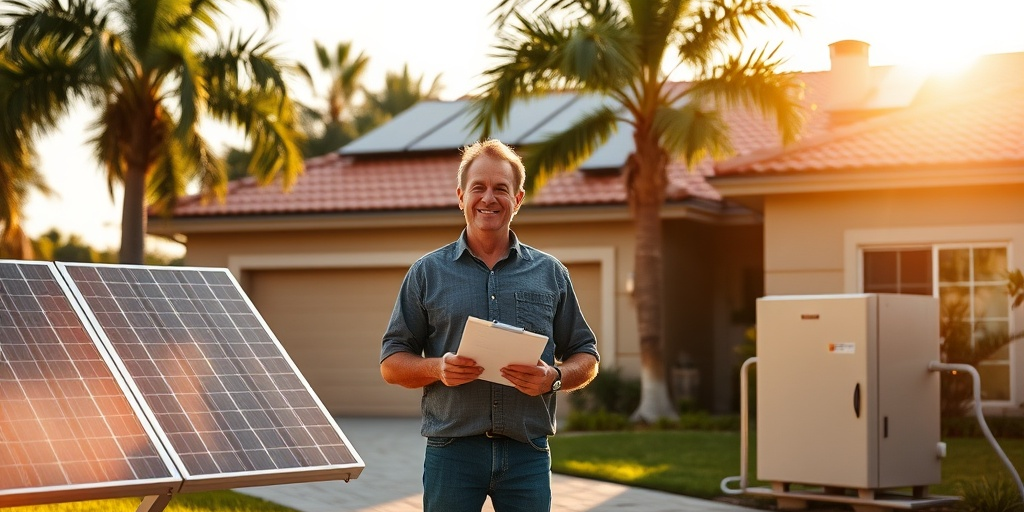
As more Florida homeowners consider the shift to solar energy in 2025, the question on everyone’s mind is: how long will my solar panels last? A staggering 1 in 5 Americans now owns solar panels (Statista), showcasing the growing trend toward renewable energy sources. Yet many potential users have hesitations fueled by misconceptions about solar panel lifespan and performance. If you’re one of many weighing your options, you may feel overwhelmed by questions and uncertainties. But understanding the insights behind the lifespan of solar panels is crucial—especially if you want to maximize your solar investment and ensure long-term efficiency in the Sunshine State.
The article title, “Expert Insights on Solar Panel Lifespan for Florida Homeowners,” will guide you through everything you need to know about this topic. Research shows that solar panels typically last between 25 to 30 years, but factors such as maintenance, environmental conditions, and the technology used can greatly influence their longevity (Energy.gov). With costs rising and federal incentives becoming increasingly attractive, the urgency for Floridians to switch to solar couldn’t be higher. In 2025, with new guidelines rolling in and the grid facing significant challenges, consumers can’t afford to wait to invest in an energy-independent future.
In this blog post, we will explore five vital sections to bolster your understanding of solar panels’ lifespan and performance:
- In-depth case studies of local Floridians successfully managing solar panel longevity.
- Practical checklists and actionable steps to take before installing solar panels.
- Common myths that need to be debunked to clarify solar panel reliability.
- Florida-specific insights into local solar energy policies and incentives.
- Technical deep dives into the mechanics and technology behind solar panels.
Let’s dive in!
Maximizing Your Solar Investment: How Long Do Solar Panels Last?
Meet the Johnson family, who made a decisive leap into renewable energy after grappling with soaring electric bills. Living in Orlando, they were thrilled to discover solar power could not only cut their monthly electricity costs but also elevate their home’s value. After proactive research, they decided to install premium solar panels, investing in a leading technology provider to ensure durability. Today, five years after installation, the Johnsons are reaping savings while enjoying energy independence. Their experience provides meaningful insight not only into the longevity of solar panels but what it takes to ensure they perform at their best.
To help you on your solar journey, consider this checklist for maximizing the lifespan of your solar panels:
- Step 1: Choose quality components. Ensure your solar panel system utilizes high-efficiency panels and trusted inverters.
- Step 2: Schedule regular maintenance. An expert will inspect and maintain the system to avoid performance drops.
- Step 3: Monitor performance. Use available apps to track energy output daily, addressing any significant drops instantly.
- Step 4: Ensure proper installation. Engaging certified installers guarantees adherence to standards that enhance longevity.
- Step 5: Be aware of climate impacts. Florida’s unique weather can affect performance; utilizing protective equipment can mitigate damage.
Additionally, some myths about solar energy often cloud homeowner judgment. Here are a few to clear up:
- Myth #1: Solar panels don’t last long. In reality, most panels are engineered for 25-30 years of energy production.
- Myth #2: Solar energy is too expensive. With tax credits and incentives, many homeowners save significantly.
- Myth #3: Solar panels are inefficient in cloudy weather. Solar technology is more adaptive than you think, offering substantial energy returns year-round.
By combing through local data, such as the fact that Florida ranks third in the nation with over 90,000 solar installations (SolarReviews.com), it’s clear that homeowners are making informed choices about switching to renewable energy. With access to various state incentives, Florida residents can reap both environmental and economic benefits.
Finally, let’s examine the technical side of solar panel lifespan. Understanding the technology can alleviate fears and inform better choices:
- Modern solar panels use silicone as their main component, famed for durability and efficiency.
- The inverters play a crucial role; regularly assessing their performance can prevent energy losses.
- Battery storage systems can enhance efficiency during peak usage hours, enabling homeowners to maximize their investment.
As we transition into the future, your solar investment can yield unmatched dividends if you adequately prepare for and understand its mechanics. Keeping in mind the insights from our deep dive, let’s explore further steps you can take for a smoother solar integration.
The Importance of Quality and Maintenance for Solar Lifespan
Investing in solar power ensures long-term savings, but the quality of your system and its maintenance can play pivotal roles in how long your solar panels perform. Understanding this key area can be a game changer for Florida homeowners.
To enhance your understanding of maintenance, consider these steps for caring for your system:
- Proper Cleaning: Dust and debris can accumulate on your panels, reducing efficiency. Utilizing a soft cloth and distilled water helps preserve performance without scratching the panels.
- Routine Inspections: Yearly assessments by a qualified technician can identify potential problems before they become costly repairs.
- Monitor the Warranty: Most solar panels come with a warranty that covers roughly 25 years. Pay attention to limits and conditions, ensuring your coverage remains valid.
Recent studies reveal that improperly installed solar systems can reduce panel efficiency by 10–20% over time (NREL.gov). This emphasizes the need for professional installation and diligent monitoring. Homeowners who take charge of these aspects are more likely to enjoy substantial returns on their investment.
Given Florida’s unique climate and terrain challenges, investing in inverters built for longevity in repetitive extreme climates is invaluable. Florida faces tropical storms, which can impact exposed solar equipment. Homeowners must choose providers that know how to adapt systems to local conditions.
Each installer can present various solutions; hence, it’s advisable to work with reputable local experts to navigate this diverse landscape effectively. Are you ready to engage with professionals who understand Florida’s environmental requirements? Check out floridaelectricandsolar.com.
Too often, misconceptions hinder homeowners from embracing solar’s potential. Here are a few more myths to dismantle:
- Myth #4: Solar panels require a lot of maintenance. In reality, most systems are built for low-maintenance and depend on occasional cleaning and inspections.
- Myth #5: Solar panels work poorly in winter. Low temperatures can actually increase efficiency; panels work efficiently even when it’s cloudy or cold.
Understanding these myths and tackling your system upkeep is crucial. Engaging with a trustworthy partner ensures that your installation stays effective over the years.
5 Expert Solar Installation Tips for 2025
If 2025 is the year you decide to adopt solar energy, congratulations! Now is a point of decision that can lead to both savings and sustainability for your Florida home. In this section, we present five practical installation tips.
Tip 1: Don’t skimp on research. Take time to investigate various providers and technology types before making a decision. Read reviews and seek recommendations from fellow homeowners. Ensure your chosen installer has a proven track record in Florida.
Tip 2: Choose the right technology. Consider aesthetics and efficiency. Rooftop panels, for example, can give homes a distinct look while maximizing space. Explore options, whether monocrystalline, polycrystalline, or thin-film solar panels. Quality matters.
Tip 3: Site evaluation is essential. Ensure your selected installation site receives ample sunlight, free from obstructions like trees or buildings. Perform a solar site assessment to identify any potential limitations in angle or shading.
Tip 4: Plan for future upgrades. As technology evolves, consider systems that allow for adding more solar panels or battery storage in the future. Investing with flexibility ensures your system remains relevant.
Tip 5: Seek financing options. Explore various financing programs to make your investment feasible. Florida offers multiple incentives, which can lower upfront costs, making solar energy more approachable (SEIA.org).
With credible, thorough planning, your solar experience can prove seamless. Leveraging expert advice prepares you for uncertainty while maximizing your possible savings.
A Hypothetical Journey: A Florida Homeowner’s Solar Experience
Let’s envision Maria, a typical homeowner in Tampa, aiming for an eco-friendly lifestyle. Maria’s solar journey began with an increasing awareness of climate change and rising energy costs. Motivated to help the environment and reduce her household expenses, she took a leap into solar energy.
She spent weeks researching potential installers and ultimately contacted Florida Electric & Solar due to their reputation, consistent support, and several customer testimonials. Maria went through proper site assessments, meeting with a solar expert who communicated the potential for her property. Soon, a tailored plan was in motion.
The process required careful detailing:
- Assessing the roof’s capacity and angle for solar technology.
- Determining the best inverter and panel type tailored to Tampa’s weather.
- Confirming local policies for solar rooftop installations.
After her panels were installed, Maria quickly noticed significant saves on her electricity bills, plus via net metering, she earned credit for extra energy sent back to the grid. This approach confirmed her decision was sound—not only had she embraced sustainability, but she was also experiencing savings and greater energy independence.
Estimates indicate solar energy adoption could save Florida homeowners a staggering $7.5 billion over the next decade as more households discover these benefits (DSIREUSA.org). This presents the perfect rationale for engaging with solar today!
Next Steps for Florida Solar Buyers in 2025
Ready to make the shift? Here’s a clear checklist and action plan to guide you as you enter the solar space:
- Step 1: Audit Your Electric Bill. Begin by analyzing your current electric bill for usage patterns. Determine the amount of power you need and whether solar can substantially replace it.
- Step 2: Research Available Incentives. Review federal and state programs offering tax credits and other incentives. Investigating this upfront can ease the financial doubts surrounding solar installation.
- Step 3: Engage with Solar Experts. Contact experienced solar installation companies in Florida, such as floridaelectricandsolar.com. Request consultations to understand the best options for your home.
- Step 4: Get Quotes. Solicit different proposals to compare offerings, warranties, and reviews of each company’s installations. Don’t shy away from asking for references.
- Step 5: Begin the Planning Process. Choose the right time to install your system and factor in any upgrades you’ve planned to make the most of your solar energy investment.
In each step, remember: knowledge is power, and setting up your solar power system meticulously can ensure longevity and efficiency. The renewable energy revolution is here—are you ready?
As we look toward 2025, you have the opportunity to redefine your energy consumption. With the right insights, accurate knowledge, and proactive steps, solar energy will transform your financial outlook and home value. Now is the time to make this pivotal decision.
Ready to start your solar journey in 2025? Connect with a certified expert at floridaelectricandsolar.com today.
Related Articles
More insights about Solar Panel

Florida Homeowners: Why Solar Panel Maintenance Is Essential

7 Essential Steps for Solar Panel Installation Success

Expert Insights: Key Factors Influencing Solar Panel Lifespan
Ready to Go Solar?
Have questions about solar energy? Our experts are here to help you make the switch to clean, renewable energy.