
Expert Insights on Solar Panel Maintenance for Home Efficiency
Share:
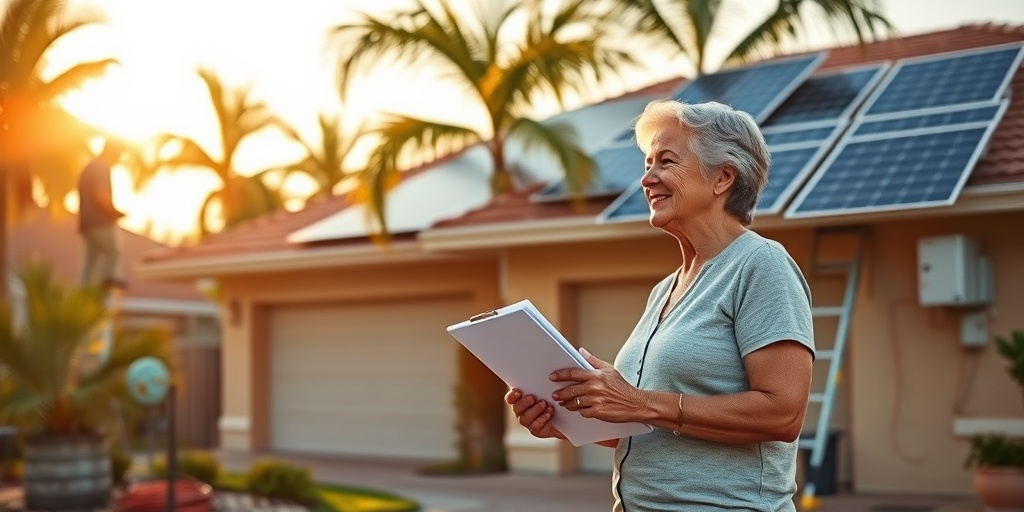
More than 3 million households in the United States harness the power of solar energy, reducing their electric bills and carbon footprints significantly. In Florida, that number continues to rise, thanks to state incentives and a push toward renewable energy. But what happens to these systems after installation? Homeowners often overlook a critical aspect of owning solar technology: maintenance. In our blog titled Expert Insights on Solar Panel Maintenance for Home Efficiency, we’ll delve into the crucial knowledge needed to extend the lifespan of your solar panels and increase energy savings.
As of 2025, the urgency for effective solar panel maintenance has escalated due to the rise in energy costs and changing local regulations surrounding renewable energy. According to the U.S. Department of Energy, the average residential electric bill in Florida increased by nearly 3% in 2024, which further emphasizes the need for homeowners to optimize their solar systems to combat these rising expenses (Energy.gov). Furthermore, the state ranks third in the nation for installed solar capacity, highlighting the vast potential for homeowners to leverage solar efficiency (SEIA.org).
In this blog post, we will explore:
- The importance of regular maintenance through engaging case studies and actionable checklists
- Common myths about solar panel care that mislead property owners
- Local weather conditions and their effects on Florida solar systems
- A technical breakdown of the components that make solar systems work and how they should be maintained
- A detailed action plan to streamline solar maintenance for property owners in 2025
Unlocking Efficiency: A Deep Dive into Solar Panel Maintenance
Consider the story of the Rodriguez family from Jacksonville, a vibrant household filled with enthusiasm for going solar. After installing their solar panels in 2023, they initially enjoyed a significant reduction in their monthly electric bill. However, as time passed, they noticed a gradual increase in their energy consumption and a dip in their savings. It turned out that they had neglected basic maintenance—their panels were accumulating dirt and debris, drastically reducing their efficiency.
Through their journey, they learned that maintaining solar panels is not merely about cost savings; it’s about securing their investment and maximizing their home efficiency. Here are some essential steps that every Florida homeowner can take to ensure their solar systems are functioning at peak performance:
- Regular Cleaning: Dust, pollen, and bird droppings can accumulate on solar panels, affecting their energy production. Aim for bi-annual cleaning, and consider weather patterns that may impact panel cleanliness. For instance, during Florida’s pollen-heavy spring, scheduling a cleaning before the season may be wise.
- Visual Inspections: At least once a month, check for physical damage. Look for cracks, bent mounting brackets, or shading from vegetation. Addressing these issues promptly can prevent larger, more costly repairs down the road.
- Monitoring Performance: Use your solar monitoring system to track energy production compared to expected outputs. If you notice a drop-off, troubleshoot or consult with an expert. This proactive approach can save you money in the long run.
- Professional Inspections: Once a year, bring in a certified technician to conduct a thorough inspection of your system. This can include checks of your inverter, battery storage (if applicable), and electrical connections.
- Documentation: Maintain records of all maintenance activities, service reports, and warranties to assist with future inspections and protect your investment.
The Rodriguez family implemented these steps and subsequently saw their energy savings bounce back, making their solar panels work efficiently for years to come. They realized that effective solar panel maintenance is crucial not just for immediate benefits, but for long-term home efficiency.
5 Common Myths About Solar Panel Maintenance Debunked
Myth #1: Solar Panels Don’t Need Any Maintenance – Many homeowners believe that once solar panels are installed, they can be neglected for years. The reality is that regular maintenance is essential to preserve efficiency and lifespan—dust can reduce output by 20% (Energy.gov).
Myth #2: Rain Cleans Solar Panels – While a good rain can help clean panels, it’s not a reliable method. Pollen, grime, and mineral deposits may remain on the surface, necessitating manual cleaning.
Myth #3: All Panels Have the Same Lifespan – Solar panels typically have a lifespan of 25 to 30 years, but this can vary based on the manufacturer and maintenance. Given the average degradation rate of 0.5% to 1% per year, it’s imperative to keep your panels increasingly efficient through ongoing care (SolarReviews.com).
Myth #4: Maintenance Costs Are Too High – Many homeowners fear that upkeep will be exorbitant. However, when examined against the long-term benefits of enhanced efficiency and reduced replacements, maintenance costs frequently pay for themselves.
Myth #5: You Can’t Repair Damage to Solar Panels – Contrary to popular belief, minor damages, such as scratches or wiring issues, can often be fixed without requiring full panel replacement. Consulting a professional can save you money compared to new installations.
Understanding Local Weather and Its Impact on Solar Efficiency
Florida’s unique subtropical climate brings both challenges and advantages when it comes to solar panel maintenance. Understanding these nuances is crucial for homeowners. High humidity, frequent storms, and high temperatures all play a significant role in the maintenance routine. Here are several local weather factors to be aware of:
- Humidity: Florida’s humid environment can accelerate the growth of mold and mildew on solar panels. Regular cleaning during rainy seasons can help combat this issue effectively.
- Storms and High Winds: Frequently occurring storms can lead to debris accumulation and even physical damage. Conducting a post-storm inspection is essential to ensure system integrity.
- Heat: Solar panels operate best at optimal temperatures—excessive heat can cause minor reductions in efficiency. Proper ventilation around the panels is important, especially in peak summer months.
- Seasonal Pollen: Specific periods of heavy pollen can impact production significantly. Scheduling regular maintenance during these times ensures cleaner panels and optimized performance.
Understanding these weather impacts can help Florida homeowners adjust their maintenance schedules accordingly, allowing them to maintain peak efficiency year-round.
Technical Deep-Dive: A Closer Look at Solar Components
Diving deeper into your solar investment involves knowing the critical components and how they work together. Properly caring for these elements ensures long-term efficiency and reliability:
- Solar Panels: The heart of your system. Regularly check for dirt accumulation, scratches, or physical damage. Clean as necessary with non-abrasive materials.
- Inverters: Converting direct current (DC) from solar panels to alternating current (AC) used by homes, inverters require regular checks for performance and may need replacement after 5-10 years. Listening for alarms and monitoring performance is crucial.
- Battery Storage: For systems with battery storage, knowing how to maintain these batteries is key to ensuring they last the longer end of their lifespan. Regularly check charge cycles and keep track of their condition.
- Wiring and Connections: Regular inspections should be made of all wiring and conduit to check for signs of corrosion or wear, which can lead to performance issues.
Ultimately, understanding your solar components helps you understand what specific maintenance activities need to be prioritized and scheduled throughout the year, helping you get the most of your solar investment.
Next Steps for Florida Solar Buyers in 2025
As we embrace 2025, it’s vital for Florida homeowners to create a streamlined solar maintenance plan. Here’s an actionable checklist:
- Audit Your Electric Bill: Review your bill monthly to spot any increases or inconsistencies that may signal a drop in solar panel efficiency.
- Schedule Regular Cleanings: Commit to a bi-annual cleaning schedule for your solar panels. Factor in Florida’s seasonal pollen and storm activities.
- Invest in Professional Inspections: Identify a reputable local solar technician for annual inspections to assess and maintain your system properly.
- Monitor Your System: Use solar monitoring tools to track energy production and check for unexpected declines in performance.
- Leverage Local Incentives: Research government incentives and rebates that promote renewable energy maintenance. Florida has numerous programs designed to boost solar investment.
By taking these steps, Florida homeowners can refine their solar efficiency and generate even more savings in 2025 and beyond. To learn more about optimizing your solar system, visit floridaelectricandsolar.com.
In conclusion, understanding and implementing effective solar panel maintenance is essential for maximizing your home’s solar efficiency. In our exploration of Expert Insights on Solar Panel Maintenance for Home Efficiency, we have uncovered fundamental maintenance practices and addressed common misconceptions that affect the performance of these systems. As energy costs rise and the landscape for solar power continues to evolve in Florida, taking proactive steps to maintain your solar panels is more critical than ever. Doing so not only helps you cut costs but also secures your investment, ultimately contributing to a more sustainable future.
Ready to start your solar journey in 2025? Connect with a certified expert at floridaelectricandsolar.com today.
Related Articles
More insights about Solar Panel

Florida Homeowners: Why Solar Panel Maintenance Is Essential

7 Essential Steps for Solar Panel Installation Success

Expert Insights: Key Factors Influencing Solar Panel Lifespan
Ready to Go Solar?
Have questions about solar energy? Our experts are here to help you make the switch to clean, renewable energy.