
How One Florida Homeowner Improved Their Energy Independence with Solar Panel Installation
Share:
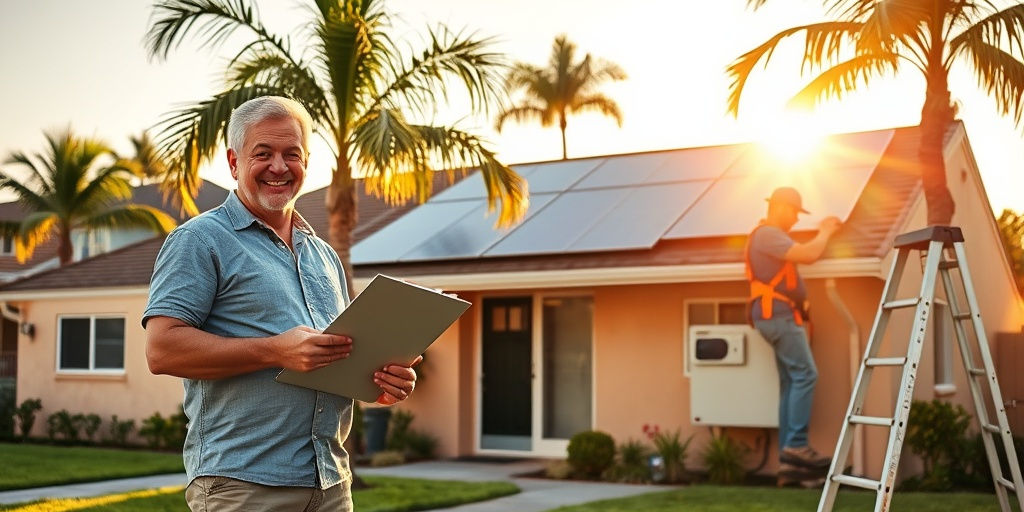
In 2025, nearly 25% of Florida homeowners are expected to embrace solar energy, a significant increase from previous years, as a response to rising electricity costs and the demand for energy independence. This surge illustrates a growing awareness of the benefits of solar energy, particularly in sunshine-filled states like Florida. The case of Christine, a Florida homeowner who took the plunge into solar panel installation, epitomizes this trend. In our article titled How One Florida Homeowner Improved Their Energy Independence with Solar Panel Installation, we explore Christine’s journey to energy independence, revealing the results and potential savings she experienced along the way. Interestingly, Florida ranks among the top five states in the nation for installed solar capacity, reflecting a broader shift towards renewable energy (SEIA.org). In 2025, the stakes couldn’t be higher as potential federal incentives are projected to make solar installation more affordable than ever. Throughout this post, we’ll delve into five compelling sections: Christine’s detailed case study, an actionable checklist for solar installation, common myths debunked, local insights for Florida residents, and a technical deep dive into everything you need to know about solar systems.
Transforming Energy Independence: A Florida Homeowner’s Solar Success Story
Meet Christine, a single mother living in Sarasota, Florida. Like many Floridians, she found herself overwhelmed by soaring energy bills, which were eating into her family’s modest budget. In 2024, her electric bill reached a staggering $250 each month, despite her best efforts to conserve energy. Determined to find a solution, Christine began researching ways to enhance her energy independence, stumbling upon solar panel installation as a viable alternative.
After weeks of research and discussions with local solar experts, Christine made the decision to invest in solar energy. She opted for a grid-tied solar system, comprised of 30 efficient photovoltaic panels, a central inverter, and battery storage for backup during stormy weather. With a sunny roofline, her home was an ideal candidate for solar panels. Christine’s installation process took about a week, with a team of professionals from Florida Electric & Solar guiding her every step of the way.
The day her solar panels were commissioned marked a turning point. Immediately, she began generating her own electricity, and within a month, her electric bill was reduced to a mere $25—thanks to the net metering policy in Florida, which allows homeowners to receive credit for the excess power they generate and feed back into the grid. Christine’s story isn’t unique; it reflects what many homeowners across Florida are experiencing as they seek sustainable alternatives to traditional energy sources.
According to a report from the Solar Energy Industries Association, Florida is now ranked second in the nation in solar capacity, following California (SEIA.org). As more Floridians like Christine choose solar energy, the pressure on the electrical grid decreases, potentially preventing future blackouts and instability. In the face of climate change and extreme weather, energy independence becomes not just a luxury but a necessity for many households.
Equipped with her newfound energy independence, Christine started noticing other benefits. Beyond the dramatic reduction in her electric bills, she found herself appreciating the environmental impact of her decision. By installing solar panels, she reduced her carbon footprint significantly, positively affecting her community. In addition, Christine qualified for several local incentives, which ultimately reduced her initial costs by 30%, and she learned that solar installations can enhance property values—up 4% on average in Florida (SolarReviews.com).
As we consider Christine’s remarkable journey, let’s explore what other homeowners in Florida can do to follow her lead.
Step-by-Step Guide to Your Solar Panel Installation
Are you ready to join Christine and harness the sun’s power for your own home? Here’s a simple yet effective checklist to guide you through the process:
- Step 1: Assess Your Energy Needs
Understand your current energy consumption by reviewing your electric bills for the past year. This will help you determine the size of the solar system you need and inform your discussions with solar companies. - Step 2: Explore Financing Options
Investigate various financing options, including solar loans and lease options. Many homeowners find that state incentives and federal tax credits can significantly reduce initial costs, making solar installation more affordable (SEIA.org). - Step 3: Choose a Reputable Installer
Look for licensed solar installation companies in Florida. Reading reviews and asking for recommendations can help ensure you select an experienced and trustworthy contractor. - Step 4: Schedule Your Installation
Set up a timeline for installation with your chosen contractor. Depending on the complexity of the project, installations can take anywhere from a few days to a couple of weeks. - Step 5: Monitor Your System Performance
After installation, regularly check your system’s performance through monitoring apps provided by your installer. This will help you keep track of energy output and savings.
With each step, remember that you aren’t just investing in solar panels; you’re investing in your family’s future, sustainability, and independence. For more information and personalized guidance, visit floridaelectricandsolar.com.
Debunking Common Solar Energy Myths
As exciting as the prospect of solar energy can be, various myths persist that deter homeowners from making the switch. Let’s address some of these common misconceptions and replace them with facts:
- Myth #1: Solar Panels Are Too Expensive
While the upfront costs can be significant, many solar companies offer financing options, tax credits, and state incentives that significantly reduce the overall expense. The long-term savings greatly outweigh the initial investment. - Myth #2: Solar Energy Is Only for the Wealthy
This myth is far from true. Recent data shows that middle-income families are increasingly adopting solar technology, aided by various financing mechanisms and rebates available in Florida (Energy.gov). - Myth #3: Solar Panels Are Ineffective in Florida’s Humid Climate
On the contrary, Florida’s sunny weather provides ample opportunities for solar energy generation. With the right installation techniques, including proper orientation and shading considerations, solar panels can perform optimally even in humid conditions. - Myth #4: My Home Isn’t Suitable for Solar Panels
While some home designs may face challenges, there’s potential for solar energy in most homes. Consultation with a professional installer can identify the best options for your unique situation. - Myth #5: Solar Is Only for Environmentalists
The financial incentives, long-term energy savings, and increasing property values make solar energy attractive for a diverse range of homeowners. Its appeal goes beyond environmental considerations.
As we dispel these myths, it’s clear that solar energy is becoming more accessible and appealing for Florida homeowners across all demographics.
Understanding Florida’s Solar Energy Landscape
Florida boasts an incredibly promising solar energy landscape, thanks to its abundant sunshine and favorable policies. Understanding the local specifics can empower homeowners to make well-informed decisions:
- Incentives: Florida offers various incentives that encourage solar installations, including the state’s sales tax exemption for solar equipment and the Property Assessed Clean Energy (PACE) financing program, which allows homeowners to finance solar with property tax assessments.
- Net Metering: The net metering policy credits homeowners for the excess power generated by their solar system, effectively allowing them to offset future electricity costs based on solar production.
- Community Solar Programs: Some utility companies in Florida are now offering community solar programs, allowing homeowners to participate in solar generation without needing panels on their rooftops, further democratizing access to solar energy.
- Resiliency: By switching to solar, Florida homeowners can help reduce the strain on the electrical grid, which has been under pressure during peak demand seasons, especially in hot summer months.
With the right knowledge and resources, Florida’s solar energy landscape is ripe for exploration. Homeowners equipped with this information can confidently navigate the steps toward installing solar panels, realizing the manifold benefits mentioned throughout this article.
Your Action Plan for Going Solar in 2025
So, you’ve done your research, and now you’re ready to take action. Here’s a straightforward action plan to guide Florida homeowners on their solar journey:
- Step 1: Audit Your Electric Bill
Gather your electric bills from the last year to assess your energy usage patterns. This information will equip you with the knowledge needed to size your solar system appropriately. - Step 2: Research Solar Companies
Compile a list of licensed solar installers in your area. Check their online presence, ratings, and client testimonials to gauge their reputation and service quality. - Step 3: Get Multiple Quotes
Request proposals from several solar providers to compare systems, costs, and financing options. Use the information from your energy audit to discuss your specific needs with each company. - Step 4: Understand Your Contracts
Before signing, closely review the details of your contract, including warranty terms, installation timelines, and maintenance responsibilities. Don’t hesitate to ask clarifying questions. - Step 5: Monitor and Maintain
Post-installation, keep tabs on your solar system’s performance to ensure it operates at optimal efficiency. Regular maintenance will preserve the longevity and functionality of your installation.
Taking these steps places you on the path toward energy independence, sustainability, and potential monthly savings into the future. To kickstart this transformative journey, visit floridaelectricandsolar.com for expert guidance and support.
Conclusion: The Future of Solar for Florida Homeowners
Christine’s journey exemplifies what is possible when homeowners choose to embrace solar energy in Florida. By improving her energy independence through solar panel installation, she reduced her electric bills and enhanced her family’s sustainability footprint. This decision not only benefited her wallet but also contributed to the broader transition toward renewable energy in Florida.
As we stand at the crossroads of 2025, the urgency to adopt solar energy has never been clearer. With rising energy costs, potential incentives, and the creeping impacts of climate change, sustainable choices are essential for both future generations and financial well-being. By investing in solar power, you are not just investing in technology; you are investing in your family’s future, empowering your independence, and protecting the environment.
Are you ready to start your solar journey in 2025? Connect with a certified expert at floridaelectricandsolar.com today.
Related Articles
More insights about Solar Panel

Florida Homeowners: Why Solar Panel Maintenance Is Essential

7 Essential Steps for Solar Panel Installation Success

Expert Insights: Key Factors Influencing Solar Panel Lifespan
Ready to Go Solar?
Have questions about solar energy? Our experts are here to help you make the switch to clean, renewable energy.