
5 Steps to Maximize Your Solar Panel Installation Benefits
Share:
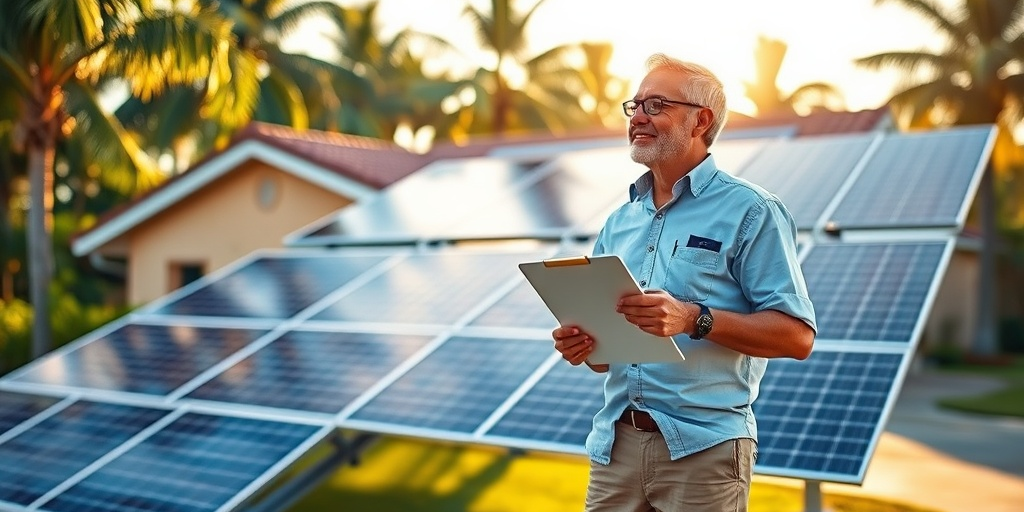
Did you know that over 9% of Florida’s energy was sourced from solar in 2022, and this number is only set to grow as homeowners recognize the immense benefits of harnessing the sun’s power? With the projected lifespan of solar panels often exceeding 25 years, investing in solar energy not only allows you to cut down your electric bills but also sets you on a sustainable path toward energy independence. As we dive into 2025, many Florida homeowners and commercial property owners are feeling the pinch from rising energy costs and grid instability. In this context, it’s crucial to know how to maximize the benefits of a solar panel installation. In our article, “5 Steps to Maximize Your Solar Panel Installation Benefits,” we aim to guide you through essential strategies that can enhance performance and ensure long-term savings. Here’s what to expect in the upcoming sections: a comprehensive case study, actionable checklists, debunked myths, Florida-specific insights, and a technical deep dive into system components.
Case Study: Transforming a Florida Home with Solar Power
Meet Sarah and Tom, a couple living in a charming suburban home in Orlando, Florida. In 2023, they made the crucial decision to install solar panels, motivated by the skyrocketing utility costs and their desire to contribute to the environment. Like many homeowners, Sarah and Tom had some preconceived notions about solar power—they believed it would be too costly and complicated. However, after researching and consulting with solar experts, they realized the potential savings on their electric bill would more than counteract the initial investment.
Within three months of installation, they began noticing a significant reduction in their energy costs. Their system not only produced enough energy to cover 85% of their electricity needs but also provided them with an added bonus—solar renewable energy credits, allowing them to profit from their green efforts. This case showcases not only the savings but also the comfort of knowing they were doing their part to combat climate change. The key takeaway? By understanding how to maximize their solar system’s benefits, Sarah and Tom could enjoy substantial savings, affirming that the decision to install solar power was profoundly beneficial.
Checklist for Maximizing Solar Panel Installation Benefits:
- Understand the Latest Incentives: As of 2025, the federal solar tax credit can cover 30% of the installation costs (SEIA.org).
- Optimize Panel Placement: Ensure your solar panels are positioned ideally to capture the most sunlight throughout the day.
- Stay Informed on Local Net Metering Policies: These can dramatically affect how much you save on your investment.
- Choose Quality Over Cost: Investing in reputable brands can pay off in efficiency and panel longevity.
- Regular Maintenance is Key: Schedule routine check-ups to ensure your system operates at optimal efficiency.
Interestingly, the Solar Energy Industries Association noted that in 2021, Florida installed over 8,400 new solar panels, further highlighting the state’s commitment to sustainability as well as the growing awareness of solar’s advantages. This case emphasizes that maximizing your solar installation’s benefits is not just about the initial setup; it’s about continually adapting and enhancing your system for optimal performance.
Now that we’ve showcased a successful solar case study, let’s debunk common myths surrounding solar installations that can hinder your decision-making process.
Myth-Buster: Common Misconceptions About Solar Energy
There’s no shortage of misinformation about solar energy floating around, especially as homeowners consider making the switch. Here we debunk some of the most common myths that may prevent you from realizing the full benefits of your solar panel installation.
- Myth #1: Solar Panels Are Too Expensive
While initial costs can seem daunting, various state and federal tax credits and financing options can significantly reduce what you pay upfront. Many homeowners benefit from financing that converts energy bills into manageable monthly solar payments (Energy.gov). - Myth #2: Solar Panels Only Work in Sunny States
You might be surprised to learn that solar panels can generate energy even on cloudy days! Efficiency has increased in recent years, allowing systems to work optimally even in less-than-perfect weather conditions (SolarReviews.com). - Myth #3: Solar Energy Isn’t Efficient
Modern technology has dramatically increased the efficiency of solar panels, making them a reliable energy source. Many new panels can produce up to 22% efficiency compared to older models. - Myth #4: You Can Pair Solar with Only One Type of Energy Source
In Florida, homeowners can install hybrid systems that integrate battery storage alongside traditional solar power systems. This means you can enjoy enhanced resilience during power outages. - Myth #5: Solar Energy Systems Require Constant Maintenance
In reality, solar panels require very minimal maintenance—usually just a periodic cleaning to remove dirt and debris for optimal performance.
Understanding these myths and the corresponding truths can empower you to make an informed decision. As we transition into discussing more localized strategies, let’s explore Florida-specific policies that can empower your solar energy journey.
Local Focus: Leveraging Florida Policies for Solar Energy
Florida’s commitment to solar energy is remarkable, with one of the best sunshine resources in the country. But what does this mean for you as a homeowner? Let’s dive into actionable steps to leverage local policies in your solar journey.
- Incentives and Credits: Florida offers various state incentives, including property tax exemptions for solar systems, which means you don’t have to pay taxes on your home’s increased value due to the installation of solar panels.
- Net Metering: Florida allows net metering, providing homeowners with credits for any excess energy produced by their solar systems. This means you can sell back energy to the grid, thus reducing overall costs (DSIREUSA.org).
- Rooftop Solar Access Laws: Laws in Florida ensure that you have the right to install solar panels on your property, preventing HOAs from obstructing your solar ambitions.
The culmination of these policies makes it an ideal time for homeowners in Florida to consider solar energy. With the local conditions and frameworks favoring solar investments, you have the power to not only save money but also reduce your carbon footprint for a brighter future.
Now, let’s delve into a technical analysis of your solar installation to maximize its value further.
Technical Deep-Dive: Understanding Your Solar System
To fully leverage your solar panel system, it’s vital to understand its key components: panels, batteries, inverters, and management systems. Each element plays a crucial role in maximizing your energy generation and efficiency.
- Solar Panels: The heart of your installation, modern panels come in a variety of technologies such as monocrystalline and polycrystalline. Monocrystalline panels are notably more efficient but typically come at a higher cost (SEIA.org).
- Batteries: Depending on your solar system’s design, adding battery storage can make your system more resilient—allowing you to store energy for use during low sunlight hours or outages.
- Inverter Technology: Inverters convert direct current (DC) produced by the panels into alternating current (AC) for use in your home. Choosing high-quality inverters is essential, as their efficiency directly impacts your energy output.
- Monitoring Systems: Installing a monitoring system can help track energy output in real time. Understanding how to interpret this data can allow you to make informed decisions on optimizing your solar system.
Integrating these components strategically can enhance the overall efficiency of your solar setup. As Florida homeowners embrace solar energy, understanding these technical elements will be essential for optimizing performance and ensuring long-lasting benefits.
Next Steps for Florida Solar Buyers in 2025
As we close in on making your solar dream a reality, it’s vital to have a clear action plan. Here’s a checklist specifically tailored for Florida residents:
- Step 1: Audit Your Electric Bill
Understand your current usage patterns and costs. This insight can guide your solar installation size. - Step 2: Research Local Installers
Look for solar companies with strong reviews and a proven track record in Florida. - Step 3: Explore Financing Options
Investigate both federal incentives and state programs to determine what financial resources are available (SEIA.org). - Step 4: Plan for Maintenance
Establish a schedule for system checks and cleaning, ensuring you’re always operating at peak efficiency. - Step 5: Monitor Your System’s Performance
Utilize a monitoring tool to keep track of your energy generation and savings over time.
With a step-by-step roadmap, you have the tools to make an informed decision that benefits your family and the environment. Our team at floridaelectricandsolar.com is here to help you navigate this exciting transition.
Conclusion
In summary, the journey to maximizing your solar panel installation benefits can lead to significant financial savings, energy independence, and a positive environmental impact. We’ve seen how Sarah and Tom transformed their lives through solar energy, debunked common myths, and explored Florida-specific incentives and technical insights. As 2025 unfolds, the importance of embracing solar power becomes more evident, considering the rising costs of traditional energy sources and the growing need for sustainable solutions.
Remember, taking action toward solar is not just about saving money; it’s about making a commitment to a greener, more sustainable future for you and your family. With a solid understanding of the steps required, you are equipped to embark on this rewarding journey. Ready to start your solar journey in 2025? Connect with a certified expert at floridaelectricandsolar.com today.
Related Articles
More insights about Solar Panel

Florida Homeowners: Why Solar Panel Maintenance Is Essential

7 Essential Steps for Solar Panel Installation Success

Expert Insights: Key Factors Influencing Solar Panel Lifespan
Ready to Go Solar?
Have questions about solar energy? Our experts are here to help you make the switch to clean, renewable energy.