
What Are the Key Factors for Solar Panel Installation in Florida?
Share:
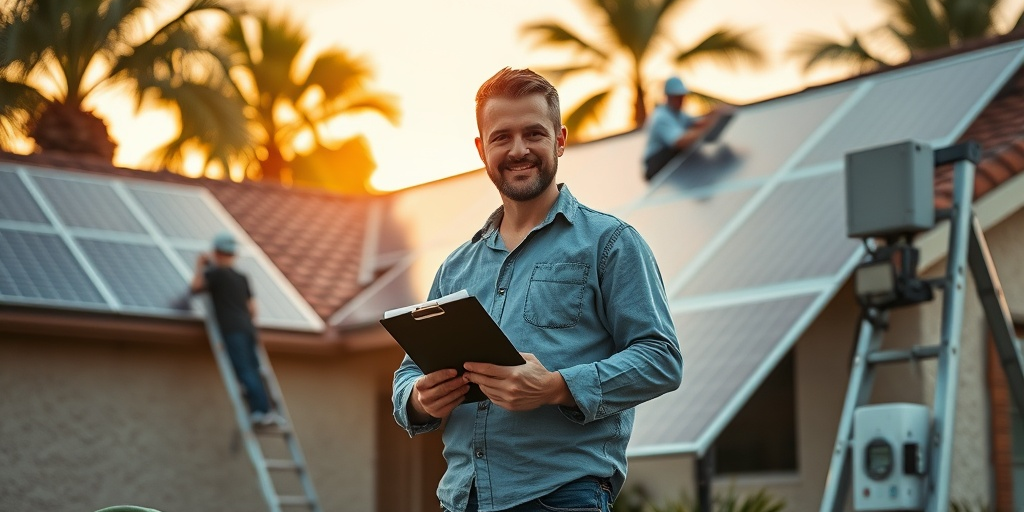
Imagine a Florida homeowner waking up each morning to the sun shining through the windows, knowing they are completely independent from the soaring utility rates that have made energy bills a source of stress and anxiety. Solar power has transformed their life, converting the abundant sunlight into priceless energy savings. In fact, according to the Solar Energy Industries Association, Florida’s solar capacity is expected to triple by 2025, positioning the state among the top five in solar installations nationwide (SEIA.org). With the rising threat of climate change, coupled with the soaring costs of traditional energy, asking yourself, “What Are the Key Factors for Solar Panel Installation in Florida?” has never been more pressing. This exploration will not only illuminate the decision-making process but also be your guide to optimizing your investment for maximum utility bill savings today.
Understanding the essentials for installing solar panels is crucial, especially now, as the outlook for Florida homeowners is brighter than ever in 2025. With additional federal solar incentives expected to roll out, now is the time to take action. In this comprehensive guide, we’ll delve into the key factors governing successful solar installation, examining what you need to know before making this life-changing decision. We will break down the process into five enlightening sections: a deep dive into real-life case studies, essential checklists for installation, debunking common myths about solar energy, a focus on local Florida initiatives, and a technical deep dive into the mechanics of solar systems. This journey will empower you to electrify your life sustainably.
Real Stories, Real Savings: An In-Depth Case Study of Florida Solar Adoption
Meet the Garcia family from Orlando, a typical household frustrated with rising energy costs. Before deciding to go solar, they paid an average of $200 per month to their electric utility, and it was becoming unsustainable. As they began their quest for energy independence, the Garcias found themselves overwhelmed by the options but resilient in their pursuit for savings. By conducting extensive research and consulting local solar companies, they learned about the crucial factors that influenced solar panel installation in Florida.
- 1. Sunlight Exposure: The array placement was key; their roof received direct sunlight for at least six hours daily. This fact is essential because Florida is renowned for its sunny climate, making it perfect for solar energy generation.
- 2. Incentives and Rebates: The Garcias benefited from state-specific tax credits, as well as federal incentives, which significantly reduced their initial investment. Florida offers a Residential Property Tax Exemption for solar installations, meaning their home’s value would not increase for tax purposes (SolarReviews.com).
- 3. System Size and Energy Needs: The couple calculated their energy consumption to determine the right system size. By installing a 6kW system, they could cover almost all of their electricity needs.
After their solar panels were installed, the immediate benefits were remarkable. Their electric bill decreased to nearly zero, allowing them to redirect funds towards family vacations, savings, and college funds. More importantly, they became advocates for solar energy within their community, witnessing firsthand how they could inspire changes in their neighbors’ lives.
If you wish to embrace a similar path, consider the following critical steps:
- Research local solar companies thoroughly.
- Evaluate your roof’s adequacy regarding sunlight exposure.
- Contact your utility company about interconnection procedures.
- Take advantage of state and federal incentives.
- Monitor your energy production and consumption rates regularly.
Aligning these factors will set you on the right path to becoming a solar energy advocate like the Garcias, ultimately empowering you to maximize your investment.
Essential Steps for a Successful Solar Panel Installation
Starting your solar journey in 2025 can feel daunting. However, with the right guidance, you can navigate the installation process without difficulty. Here’s a simple but effective checklist to help you on your way:
- Step 1: Audit Your Electric Bill: Review your past electric bills to understand your monthly energy consumption. This data will guide your solar system size.
- Step 2: Get Multiple Quotes: Contact various local solar providers to compare quotes and discover the best package that suits your needs.
- Step 3: Check Your Roof Condition: Ensure your roof is in good shape and can accommodate solar panels without extensive repair costs.
- Step 4: Understand Local Regulations: Familiarize yourself with state and county regulations concerning solar installations, as policies vary (FloridaElectricAndSolar.com).
- Step 5: Schedule a Professional Installation: After selecting a provider, set a date and prepare for installation day. Ensure you or someone you trust is available for any questions.
Following these steps can ensure a smooth transition to solar power and maximize your investment returns. Don’t hesitate to ask potential providers about these checkpoints to confirm their validity.
5 Myths About Solar Energy—Debunked
In a world filled with information, myths about solar panels can spread like wildfire, causing confusion and doubts for potential adopters. Let’s debunk some of the most common myths that may hinder your solar journey:
- Myth #1: Solar Panels Only Work in Sunny Areas: While Florida certainly fits that description, the technology operates effectively even in cloudy conditions, maximizing energy production year-round.
- Myth #2: Solar Panels Are Too Expensive: The initial cost can be high, but with various incentives and financing options available, going solar is often comparable to or less than traditional power costs (NREL.gov).
- Myth #3: Solar Panels Require Extensive Maintenance: On the contrary, most solar systems are low maintenance. Regular cleaning and occasional inspections can keep them functioning efficiently.
- Myth #4: Solar Power Isn’t Reliable: With proper installation and battery storage, such as Tesla Powerwall, you can rely on solar energy even when the grid fails, leading to greater energy independence.
- Myth #5: Going Solar Decreases Your Home’s Value: Many prospective buyers view solar as a desirable feature. Studies show homes with solar panels sell for higher prices (Energy.gov).
By illuminating these misconceptions, we can empower more Floridians to explore solar energy—a change that benefits both their wallets and the environment.
The Local Solar Landscape: Opportunities in Florida
As the sun-soaked state of Florida embraces solar power, residents are presented with a fertile landscape of opportunities. The state’s commitment to renewable energy is evidenced not only by governmental support but also by the increasing number of residents converting to solar. Florida is projected to have installed over 7,000 MW of solar capacity by 2025 (SolarReviews.com). However, it’s not just the numbers that count—understanding the local context of these developments is vital for prospective solar users.
- 1. Financing Programs: Florida offers an array of financing options, such as the Property Assessed Clean Energy (PACE) program, allowing homeowners to finance their solar investments through property assessments (Energy.gov).
- 2. Net Metering: Florida’s net metering policy enables homeowners to receive credits on their utility bills for excess energy produced by their solar system, providing further savings.
- 3. Solar Co-ops: Participating in local solar co-ops allows homeowners to harness collective purchasing power, thus reducing installation costs significantly.
All these initiatives create an encouraging environment for solar adoption, making 2025 the best year yet to embark on your solar journey. Evaluating these local opportunities can greatly enhance your investment potential.
Next Steps for Florida Solar Buyers in 2025
As you prepare to embrace solar power in the Sunshine State, it’s crucial to develop a clear action plan. Moving forward can be streamlined with these vital steps:
- Step 1: Audit Your Electric Bill: Calculate your monthly energy consumption to determine the size of the solar system you’ll need.
- Step 2: Research Local Installers: Read reviews and verify credentials of different solar installation companies in Florida.
- Step 3: Check Incentives: Investigate state and federal incentives and financing options available to you—maximize your savings!
- Step 4: Secure Financing: Once you’ve weighed your options, move forward by applying for financing that works with your budget.
- Step 5: Schedule an Installation: Finalize your choice of installer and set a date for solar panel installation. Prepare for the exciting change!
Taking these steps will greatly alleviate the challenges associated with going solar. Many homeowners have benefited significantly from expert guidance, and every step you take can green-light this crucial investment.
As we conclude this extensive guide, remember that solar energy is revolutionizing the way Floridians utilize electricity. Every piece of information explored in this article—from the inspiring case study of the Garcias to the action plan tailored for Florida buyers—is designed to empower you. The urgency to take action becomes even clearer as energy costs rise, incentives dwindle, and the climate crisis looms. Now is the time to invest not just in solar panels but in a sustainable future for your family and community.
Ready to start your solar journey in 2025? Connect with a certified expert at floridaelectricandsolar.com today.
Related Articles
More insights about Solar Panel

Florida Homeowners: Why Solar Panel Maintenance Is Essential

7 Essential Steps for Solar Panel Installation Success

Expert Insights: Key Factors Influencing Solar Panel Lifespan
Ready to Go Solar?
Have questions about solar energy? Our experts are here to help you make the switch to clean, renewable energy.