
Warning: Avoid These Common Solar Panel Installation Scams
Share:
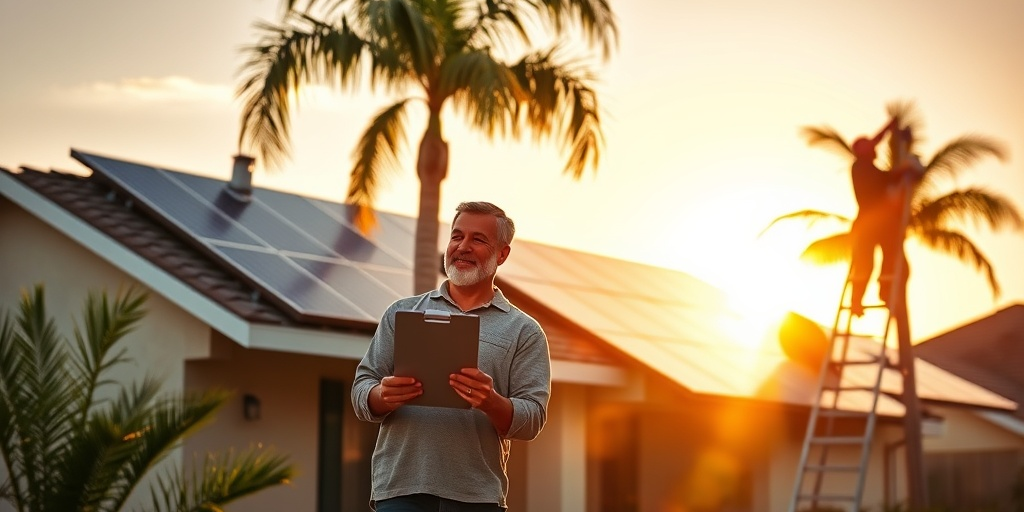
As we approach 2025, the interest in solar energy is surging, with a remarkable 20% of all new residential energy systems in Florida stemming from solar investments (SEIA.org). However, this rising curiosity also brings a hidden danger: solar scams. This is evidenced by an FBI report revealing that solar-related fraud cases have increased by over 30% in the last few years (FBI.gov). Homeowners are eager to cut their electric bills and embrace renewable energy, but many are unaware of the risks that accompany solar panel installation deals. In this article titled Warning: Avoid These Common Solar Panel Installation Scams, we’ll delve deep into the world of fraudulent practices plaguing unsuspecting consumers, explore critical data, and arm you with the knowledge to protect one of the most significant investments you can make for your home and family. In 2025, with rising energy costs and new incentives, understanding these scams has never been more urgent. We will cover the following sections: the emotional and financial toll of a real case study, an actionable checklist to guide your solar journey, a myth-busting segment to clarify misunderstandings, a Florida-focused discussion on local policies, and a technical deep dive that explains the complexities of solar systems. Your solar journey starts now, and it’s time to navigate with confidence.
Understanding the Dark Side of Solar Installations
In the excellent Florida sun, Mike and Lisa, like many homeowners, decided it was finally time to invest in solar panels. They envisioned the day their electric bills would be dramatically slashed, and their home would create clean energy. After researching, they fell prey to a flashy advertisement promising quick installations and substantial rebates. The sellers pushed them to sign contracts hastily, with claims that their current electric provider had just raised prices again. After all the paperwork was completed, Mike and Lisa began to feel uneasy about the “too good to be true” deal. Unfortunately, their solar panels were later found to consist of low-quality materials and fraudulent warranties. By the time they sought help, they had lost a significant portion of their investment.
This story is not unique; many other Florida homeowners experience a similar fate every year. Victims of solar scams often report losing thousands of dollars and facing costly legal battles, which can further drain their finances and their hope for a healthier environment. Such stories underscore the urgency of understanding the red flags associated with solar panel installation scams. As of 2023, over 9% of complaints registered with the Federal Trade Commission involved fraudulent solar sales (FTC.gov).
To avoid falling victim to these scams, here’s a checklist to guide your solar investment:
- Research the Contractor – Check for credentials, licenses, and references.
- Read the Contract Thoroughly – Ensure that all terms and conditions are clear.
- Seek Multiple Quotes – Obtain several estimates to compare pricing and services.
- Watch for High-Pressure Sales Tactics – If it feels rushed, step back and reassess.
- Verify Manufacturer Claims – Check the reliability of the solar panels being offered.
Now, let’s investigate some of the prevalent myths around solar installations that you should know to protect yourself from becoming a victim.
Myths That Cloud the Solar Investment Landscape
Solar energy holds a wealth of promise, yet misinformation often clouds judgment. Here, we bust some of the most damaging myths perpetuated within the solar industry:
- Myth #1: All Solar Panels Are the Same. This is far from true. Not all solar panels deliver the same efficiency or durability. Understanding the difference between Tier 1 and lower-quality panels can save you money in the long run.
- Myth #2: You Don’t Need to Worry About Warranties. A quality solar system should come with a comprehensive warranty. Beware of providers who do not offer guarantees or assume warranties are permanent if the company is not well-established.
- Myth #3: Solar Energy Saves You Money Instantly. While savings can be significant, they often depend on multiple factors, including initial costs and financing options. Be prepared for upfront expenses before enjoying long-term savings.
- Myth #4: The Installation Has No Impact on Home Value. On the contrary, professionally installed solar can increase the market value of your home—provided it’s done correctly. A hasty, subpar installation can detract from it.
- Myth #5: The Solar Tax Credit Will Always Be Available. While federal and state incentives are crucial, they change. Homeowners should keep abreast of new policies and deadlines that may affect their potential savings.
Each of these myths can trap unwary consumers, ultimately resulting in financial loss and frustration. Now, it’s time to explore a few Florida-specific examples reflecting local policies and statistics.
Florida-Specific Solutions and Statistics
In 2025, Florida’s energy landscape continues to evolve. As a leading solar state, there exist both opportunities and challenges. The state is home to approximately over 2.5 million solar installations by 2025, translating to over $15 billion in residential solar investments (SEIA.org). However, within this competitive landscape, fraud also thrives.
Florida has made commendable strides in promoting solar energy, notably through the Property Assessed Clean Energy (PACE) program, which provides financing options for property owners. Yet, many homeowners are unaware of scams masquerading as PACE-approved projects. The majority of these scams involve deceptive interest rates and hidden fees, leaving homeowners in dire situations.
Consumer protection laws in Florida hold some of the most stringent requirements for solar installers. These laws ensure that companies operate in transparency and ethics; however, regulations can vary significantly based on local jurisdictions. Here, education becomes a key pillar in ensuring Florida homeowners can discriminate between reputable and fraudulent companies.
To ensure safety, Florida homeowners should take a few steps:
- Check Local Installer Credentials. Ensure your installer is licensed, bonded, and has insurance.
- Look for Reviews. Customer reviews can reveal common issues or highlight excellent service.
- Ask for References. Clarify with previous clients about their experiences with the installation.
With a clearer understanding of the local landscape, let’s consider the technical aspects of solar technology to explain what aspects can lead to scams.
A Technical Deep-Dive: Understanding Solar Panel Components
When contemplating installation, it’s vital to grasp the components involved in a solar energy system. Understanding the role of solar panels, inverters, batteries, and installation guarantees you make smarter choices.
Your solar panel system primarily consists of:
- Solar Panels: Convert sunlight into electricity, and differentiating between monocrystalline and polycrystalline panels based on your budget and efficiency preferences is essential.
- Inverters: These devices convert the direct current (DC) electricity produced by the panels into alternating current (AC), which is used in homes.
- Batteries: Storage systems are a vital consideration for energy self-sufficiency, particularly in areas prone to blackouts.
- Mounting Systems: Poorly constructed mounting can lead to damage during storms, common in Florida. Use quality products that withstand local weather conditions.
Despite understanding these components, unscrupulous contractors may market substandard products or make exaggerated claims regarding their capabilities. Considering that residential production from solar is projected to increase by 25% annually by 2025, it is vital for Florida homeowners to distinguish between reliable suppliers and deceptive ones (NREL.gov).
Next Steps for Florida Solar Buyers in 2025
Considering the plethora of information available can feel overwhelming. But streamlining your solar journey into actionable steps can mitigate confusion.
- Step 1: Audit Your Electric Bill. Analyze your electricity usage for the last year to understand how much you can save and what size system you may need.
- Step 2: Research and Interview Multiple Installers. Use your checklist to investigate at least three reputable companies before making a decision.
- Step 3: Read Agreements Carefully. Be sure you wholly understand any financing agreement, installation warranty, and power purchase agreements.
- Step 4: Keep Updated on Florida Policies. Be aware of state incentives, rebates, and tax credits available for solar investment.
- Step 5: Follow Through with Follow-Up Maintenance. Set in place annual appointments to ensure your system is performing optimally—trustworthy companies will offer ongoing maintenance and monitoring.
By adhering to these steps, you can navigate the solar landscape confidently and safely, ensuring that your investment yields a sustainable return.
In conclusion, the urgency to approach solar investments with caution in 2025 cannot be overstated. With rising energy costs, staggering increases in scams, and changing policies, it’s crucial for homeowners to become well-educated on their choices. By familiarizing yourself with the realities of solar installations, debunking myths, understanding Florida’s unique environment, and dissecting the technology, you empower yourself to make the best decisions for your energy future.
Ready to start your solar journey in 2025? Connect with a certified expert at floridaelectricandsolar.com today.
Related Articles
More insights about Solar Panel

Florida Homeowners: Why Solar Panel Maintenance Is Essential

7 Essential Steps for Solar Panel Installation Success

Expert Insights: Key Factors Influencing Solar Panel Lifespan
Ready to Go Solar?
Have questions about solar energy? Our experts are here to help you make the switch to clean, renewable energy.