
Myth: Solar Panel Installation Is Only for Commercial Properties
Share:
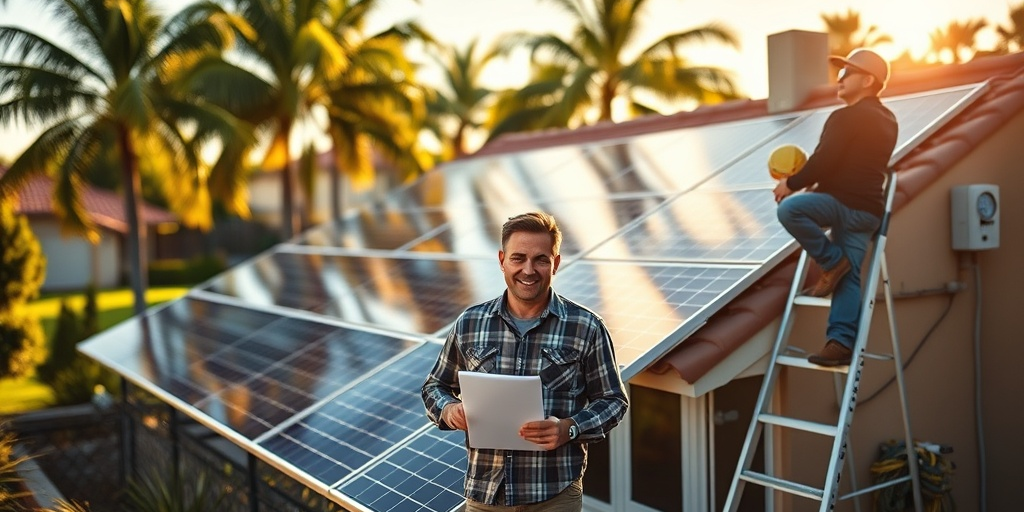
When you hear the term “solar panels,” what comes to mind? For many, it’s towering installations atop commercial buildings, bustling with activity and efficiency. But here lies a myth that can hurt homeowners across the Sunshine State: the belief that solar panel installation is only for commercial properties. In reality, this notion couldn’t be further from the truth. In fact, homeowners in Florida can reap significant financial benefits by embracing solar energy. Did you know that over the past decade, the cost of solar panels has dropped by approximately 82% (SEIA.org)? Or that up to 80% of Florida’s energy could potentially come from solar power, thanks to its sunny climate? With 2025 around the corner, rising energy costs and new government incentives provide even more compelling reasons for Floridians to look into solar options. In “Myth: Solar Panel Installation Is Only for Commercial Properties,” we will debunk the common misconceptions surrounding solar for residences and empower you with knowledge that can lead to substantial savings. Here’s what we’ll cover:
- Section 1: An in-depth exploration of the myths versus the reality of residential solar installations.
- Section 2: Actionable steps that every Florida homeowner should consider for harnessing the sun’s energy.
- Section 3: Proven best practices for solar installations specifically tailored for Florida’s unique conditions.
- Section 4: A deeper look at a fictional but realistic solar journey taken by a Florida homeowner.
- Section 5: An actionable plan that outlines next steps for interested buyers in 2025.
Let’s obliterate this myth that solar panel installation is only for commercial properties and uncover the advantages that homeowners have been missing out on!
The Truth About Solar Panel Installation for Homeowners
Imagine waking up to the soothing sound of your children playing in the backyard, all while knowing your electricity bills are literally in your hands—not controlled by an unpredictable power company. This vision became a reality for the Johnson family, homeowners in Orlando, Florida, who decided to break the mold and switch to solar power. As the sun-drenched sky flooded their home with natural light, the savings stacked up, allowing them to invest in their children’s education instead of exorbitant electric bills. They discovered that solar panel installation is not just a feasible option; it’s an empowering choice.
This case study reflects a larger trend we’re currently witnessing across Florida, where the push for solar energy is growing stronger by the day. In 2023 alone, Florida ranked second in the nation for installed solar capacity, with over 9,500 megawatts of solar energy being generated (SolarReviews.com). Many still believe the false narrative that solar energy isn’t a viable option for individual homeowners, which is simply not accurate.
Step 1: Evaluate Your Energy Needs. Understanding your household’s energy consumption is crucial. The average Florida home uses approximately 1,100 kWh per month. By analyzing past utility bills, you can gauge how much of that can be offset by solar.
Step 2: Research Financing Options. The state of Florida offers various incentives for residential solar installations, including the Solar Energy System Incentive Program (SESP), which can reduce upfront costs significantly.
Step 3: Choose the Right Solar Provider. Opt for a company that specializes in residential solar installations and has a proven track record. Seek out testimonials and case studies that resonate with your needs.
Step 4: Explore Net Metering Benefits. Florida’s net metering policy allows you to receive credits for any excess electricity your system generates, further reducing your overall utility costs.
Step 5: Monitor and Adjust. Once your system is installed, closely monitor its performance. Be prepared to make adjustments to maximize efficiency, depending on seasonal changes and energy rates.
Now that we’ve established a framework, let’s delve deeper by debunking the most widespread myths about solar energy for homeowners.
Myth-Buster: Common Misconceptions About Residential Solar
Myth #1: Solar Panels Are Only for Wealthy Individuals. Many people assume that solar panel installation is only accessible to the affluent, but this is far from true. Several financing options, including loans, leases, and property tax exemptions, make it affordable for most homeowners. In fact, the average payback period in Florida is 5 to 7 years, making it a smart long-term investment.
Myth #2: Solar Panels Can’t Generate Enough Energy at Home. Some believe that residential solar installations can’t meet the energy demands of an entire household. However, properly sized solar arrays can generate sufficient electricity to cover all—or most—of the energy consumption. The SREC (Solar Renewable Energy Certificates) program also provides additional income for homeowners who generate more energy than they consume.
Myth #3: Installing Solar Panels Requires Major Structural Changes. The fear of structural alterations can deter homeowners from considering solar. Most installations are straightforward and can often be mounted on existing rooftops without major modification. Proper consultations with experienced professionals can help identify the best configuration for your roofing system.
Myth #4: Solar Energy Is Not Reliable. A common question arises: What happens when it’s cloudy or during storms? While it’s true that solar generation fluctuates, the technology has advanced tremendously. Hybrid systems that combine solar power with battery storage allow homeowners to store energy for cloudy days, ensuring reliability throughout the year.
Myth #5: Solar Panel Installation Takes Too Long and Is Complicated. Many homeowners shy away from solar energy due to the perceived complexity of installation. In reality, the process can often be completed within a few days to a couple of weeks, depending on the size and complexity of the system. With the right installer, the process becomes seamless.
Understanding these myths with factual information is critical as we continue our journey toward embracing solar energy. Let’s shift our focus to some best practices for solar installations specifically for the conditions prevalent in Florida.
5 Expert Solar Installation Tips for 2025
Are you considering solar for your home but unsure where to start? Following these tips will put you on the path to maximizing your investment and achieving energy independence. As you contemplate switching to solar power, keep these crucial considerations in mind:
- Choose High-Quality Equipment: Don’t skimp on the equipment when considering solar panels, inverters, and batteries. Invest in reputable brands that offer long warranties and proven performance records.
- Optimal Placement is Crucial: The placement of your solar panels significantly affects their efficiency. South-facing panels typically receive maximum sunlight exposure, but it’s essential to assess shading from trees or buildings.
- Stay Informed on Incentives: New government incentives can emerge, and existing ones might change. Keeping up with nonprofit organizations like the Florida Solar Energy Center (CSE) ensures that you take advantage of all available benefits.
- Think Long-Term: A solar system is a long-term investment. Choosing the right technology and provider can yield dividends not just in the next few years, but for decades to come.
- Monitor Your System Regularly: Employ monitoring tools to keep track of your solar system’s performance. Identifying issues early can save you from substantial costs later.
These tips are tailored to Florida homeowners who are serious about embracing solar technology and maximizing their savings while becoming part of a sustainable energy ecosystem. Now let’s shift gears and explore a compelling narrative of a fictitious Florida homeowner’s journey into solar energy.
A Florida Homeowner’s Solar Journey
Meet Sarah, a single mother residing in Sarasota, Florida, who has always faced high energy bills, especially during the sweltering summer months. With a growing family and rising living costs, the pressure to cut down expenses weighed heavily on her. One weekend, while attending a community event, she overheard her neighbors discussing their recent switch to solar energy. Intrigued, Sarah approached them to learn more.
After some research, she discovered that solar panels not only reduce energy costs, but they also significantly increase property value. Motivated, Sarah took the next steps, including:
- Assessing her energy usage through past utility bills to understand her potential solar needs.
- Contacting a local solar provider to get an installation quote.
- Exploring financing options, including state incentives that would lessen her upfront costs.
- Gaining approval from her home association, ensuring compliance with local regulations.
- Participating in the installation process to learn about the tech involved, getting involved with the technology that could empower her family.
Soon enough, Sarah had her system installed, and she was amazed to see how much her bills began to drop. By investing in solar power, she not only took control of her energy bills but also reduced her carbon footprint, setting a fantastic example for her kids.
With the right planning, Sarah realized she wasn’t alone. In fact, many Florida homeowners are embracing solar energy, driven by a desire for economic savings and environmental responsibility. In 2025, the solar landscape promises even more incentives and advancements, making it a savvy choice for families like Sarah’s. With over 7 million Floridians having access to net metering credits, it’s clear that solar energy is a thoughtful consideration for anyone.
Next Steps for Florida Solar Buyers in 2025
Feeling empowered yet? It’s time to take the plunge and embrace the solar revolution, starting with these next steps:
- Step 1: Audit Your Electric Bill. Review your previous bills and calculate your average monthly usage. This information is vital when discussing your needs with providers.
- Step 2: Investigate Local Incentives. Familiarize yourself with solar energy financing options, state grants, and tax exemptions to alleviate upfront costs.
- Step 3: Get Multiple Quotes. Contact a variety of reputable solar companies and request consultations to compare prices and services.
- Step 4: Consult with Neighbors. Gather insights from other homeowners in your area who have installed solar panels. Their experiences can guide you in selecting the right provider.
- Step 5: Make an Informed Decision. After gathering all necessary information, it’s time to channel your vision into action. Decide to switch and invest in a sustainable future.
Remember, the transition to solar energy is a journey worth embarking on! By following these actionable steps, you are not only making a sound financial investment, you’re also becoming part of a larger movement toward sustainable energy practices.
As we wrap up this extensive exploration of solar energy for Florida homeowners, it’s clear that embracing solar power is more feasible than ever. The myths that have clouded the perception of residential solar installations can no longer stand against the glowing facts. Homeowners like you can save money, reduce their carbon footprint, and regain control over their energy consumption. The question is no longer “if” but “when” you’ll take action.
Ready to start your solar journey in 2025? Connect with a certified expert at floridaelectricandsolar.com today.
Related Articles
More insights about Solar Panel

Florida Homeowners: Why Solar Panel Maintenance Is Essential

7 Essential Steps for Solar Panel Installation Success

Expert Insights: Key Factors Influencing Solar Panel Lifespan
Ready to Go Solar?
Have questions about solar energy? Our experts are here to help you make the switch to clean, renewable energy.