
How One Florida Family Achieved Energy Independence with Solar Panel Installation
Share:
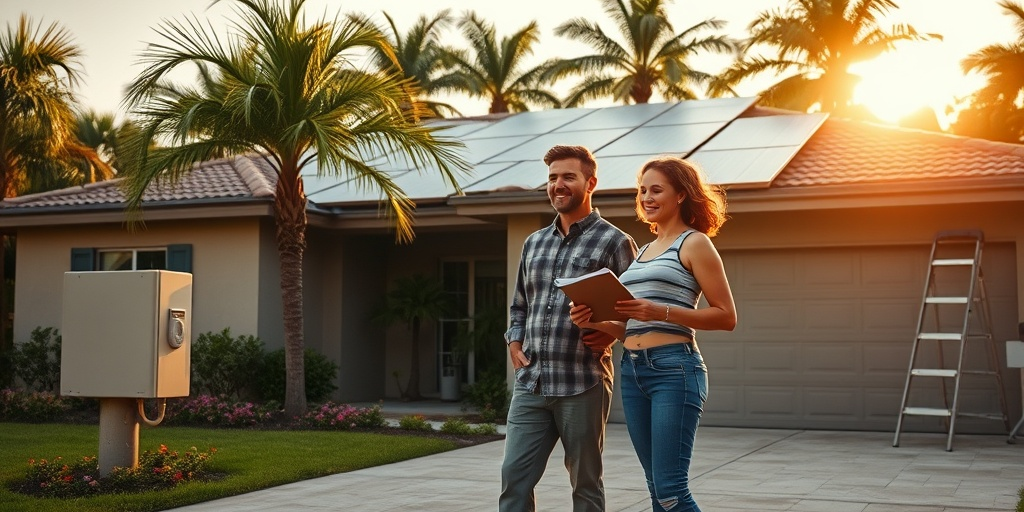
Imagine waking up each morning to the sound of silence—the gentle hum of power generation coming from your own roof, the sun pouring energy into your home while your electric bill dwindles. For the Borges family from Orlando, Florida, this dream became a reality. Their journey of achieving energy independence through solar panel installation is a testament to what’s possible in 2025, a year ripe with fresh opportunities for Florida homeowners ready to embrace solar power. In this article entitled How One Florida Family Achieved Energy Independence with Solar Panel Installation, you will discover how this family’s bold decision not only cut their electric bills but also empowered them in a society increasingly concerned about rising energy costs and the impacts of climate change. With Florida’s average residential electricity rate projected to rise by 5% (Energy.gov), the urgency to switch to solar has never been more pronounced. By the end of this post, you’ll gain insights from their experience and practical tips that could launch your solar journey. Here’s what we’ll cover: a deep dive into their case study, a checklist to get started, common myths debunked, Florida-specific factors influencing solar adoption, and best practices for seamless installation.
Case Study: The Borges Family’s Path to Energy Independence
In 2022, the Borges family was faced with rising energy bills that were threatening to chip away at their finances. With two children, the prospect of ever-increasing fuel costs for air conditioning, especially during the sweltering Florida summers, was concerning. They decided to investigate solar power as a sustainable solution. After doing thorough research, they found out that Florida ranks second in the nation for solar capacity generated (SEIA.org), and incentives for solar installation were becoming increasingly favorable. The family started their process by consulting local solar experts, and after numerous discussions, they knew they were on the right track.
**Checklist to Start Your Solar Journey**: The Borges followed a five-step plan, which led them to a successful installation:
- Step 1: Evaluate Energy Needs: They analyzed their past utility bills to estimate how much energy they consumed and what size system would be most beneficial.
- Step 2: Research Local Solar Providers: After reading reviews and commissioning estimates from multiple companies, they relied heavily on testimonials and past project successes.
- Step 3: Understand Incentives: They took advantage of the federal solar tax credit which allows homeowners to deduct 26% of the installation cost from their federal taxes (IRS.gov).
- Step 4: Installation Process: After selecting a reputable company, their solar panels were installed within a matter of weeks. They chose a combination of monocrystalline panels for efficiency and aesthetic appeal.
- Step 5: Monitor Performance: Post-installation, the Borges family utilized an app to monitor energy generation, helping them directly correlate their solar output to savings on electric bills.
Considerations such as Florida’s ample sunlight and the state’s commitment to renewable energy were pivotal factors. The climate-driven shifts and government incentives created a perfect storm for solar applications, making their investment not just practical but empowering. However, they faced common myths about solar energy during their journey, such as the belief that it would be too expensive or that solar panels do not generate energy on cloudy days. Thanks to their thorough research, the Borges family was not swayed, understanding that solar energy can function even with limited sunlight, drastically reducing their grid reliance.
In addition to statistical evidence bolstering their choice, various funds in Florida aim to promote solar energy among residents (SolarEnergy.org). The Borges family, with their clear vision and timely execution, successfully transitioned to a solar-powered lifestyle. This journey signifies not only a financial win for them but also a critical shift towards energy independence. The liberated feeling of knowing they own their energy has enhanced their quality of life significantly. What they accomplished is achievable for many Florida residents.
As we traverse deeper into the value of solar energy in Florida, it becomes essential to address some of the misconceptions that might hold others back from making a similar leap.
Debunking Common Myths About Solar Energy
Myth #1: Solar Energy is Too Expensive. One of the most widespread myths is that installing solar panels necessitates a significant upfront investment. While the initial costs can seem daunting, the federal solar tax credit and various local incentives make solar energy significantly more affordable. In fact, the average cost of residential solar systems has dropped by about 82% from 2010 to 2020 (SolarReviews.com).
Myth #2: Solar Panels are Ineffective in Cloudy Weather. Many believe that solar panels will underperform without constant sunshine. However, modern solar technology maximizes energy collection in various weather conditions, generating a significant amount of energy even on cloudy days. This misconception often deters homeowners from exploring solar options, when in reality, they can produce energy year-round.
Myth #3: You Can’t Sell Your Home with Solar Panels. Some homeowners fear that solar panels make selling their home more difficult. Recent studies indicate that homes with solar energy systems sell for about 4% more than homes without them (NREL.gov), providing both energy savings and added market value.
Myth #4: Solar Energy Isn’t Worth It in Florida. On the contrary, Florida is one of the top states in the U.S. for solar potential due to its abundant sunshine. With an average yearly solar production potential of approximately 1,300 kWh/kW (DSIREUSA.org), the state’s natural conditions are perfectly aligned to harness solar power to its fullest.
Myth #5: Only the Wealthy Can Afford Solar Energy. Although the initial investment can appear substantial, numerous financing options exist, such as solar leases, loans, and power purchase agreements (PPAs). These options allow solar energy systems to be financially accessible to a broader group of individuals, regardless of income.
With these myths debunked, we move into understanding local dynamics influencing solar installation. When considering going solar, being aware of state-specific factors is crucial for Florida homeowners.
Florida’s Solar Landscape: Local Insights for Homeowners
The state of Florida has embraced solar energy wholeheartedly. As evidenced by its vast solar installations, Florida has solar energy potential with projections estimating an increase in solar adoption by 15% annually until 2025 (SEIA.org). Given that energy costs are expected to rise, it offers tangible savings for homeowners who choose to harness it.
- Incentives and Rebates: Florida implements various incentives to promote solar energy. Homeowners can benefit from net metering, allowing them to sell excess power back to the grid, thus offsetting installation costs.
- Solar Easement Laws: Florida law supports solar easement rights, granting homeowners the legal right to access sunshine necessary for their solar panels, ensuring other properties do not block their solar access.
- Local Resources: Organizations such as the Florida Solar Energy Center provide vital information and resources to homeowners interested in solar energy.
- Community Projects: Community solar projects have been gaining traction, allowing residents to invest in solar energy collectively, making it more accessible and reducing installation costs.
As the Borges family exemplified, local support and infrastructure are essential for navigating the transition to solar energy. These elements not only bolster the financial case for solar installation but also demonstrate a community commitment to renewable energy. By utilizing available resources and support systems, converting to solar power can be seamless, straightforward, and beneficial.
To move forward, it is essential to understand the technical aspects of solar systems, including equipment and installation tactics that protect your investment.
Best Practices: 5 Expert Solar Installation Tips for 2025
Making the leap to solar energy can be daunting if you do not know where to start. Here are five expert tips every Florida homeowner should know before installing solar panels.
- Don’t Skimp on Panel Placement: Location matters. Surveying for optimal placement can maximize sun exposure and energy production. Consult with your provider to determine ideal positioning on your rooftop.
- Choose Your Components Wisely: Invest in high-quality panels, batteries, and inverters. Research manufacturers to ensure reliability, efficiency ratings, and warranties, ultimately leading to better returns on your investment.
- Understand Your Energy Needs: Evaluate your household energy consumption contextually to size your system right. Getting it wrong can lead to either inefficient energy output or overpaying for unnecessary capacity.
- Utilize Monitoring Systems: Regularly monitor your system’s performance through a mobile app or web interface. Making adjustments when needed ensures that you are maximizing your energy output consistently.
- Incorporate Energy Efficiency Measures: Before or during your transition to solar, improve energy efficiency with upgrades like better insulation, energy-efficient appliances, or LED lighting. It lessens the load on your new solar system, further enhancing savings.
Each of these practical tips aligns with the goal of lowering overall energy costs and maximizing the benefits of your investment. As we dive deeper into what the journey of the Borges family looked like post-installation, we explore the comprehensive data and evolving trends that solidify solar energy’s essential place in modern households.
Navigating Post-Solar Installation: A Journey Through Data and Trends
Once the Borges family completed their solar installation, they experienced transformative changes not just in their electric bill but in their overall approach to energy consumption. By monitoring their system with the help of an application, they quickly discovered that they could trim their electricity use further. This awareness connection breeds mindful energy consumption, enhancing their commitment to sustainability.
- Increased Savings: The Borges family reported a 60% reduction in their electricity bill, an astounding achievement that allowed them financial freedom, encouraging them to pursue new ventures.
- Carbon Footprint Reduction: They learned that their move to solar minimized their carbon footprint significantly. For every megawatt-hour generated, they avoided nearly 1.5 tons of carbon dioxide emissions (NREL.gov).
- Energy Independence: The family’s switch signified a step towards energy independence, freeing them from the volatility of fossil fuel prices and enhancing resilience against future energy crises.
- Community Influence: Their success became a beacon for neighbors, who began looking into solar options. Within a year, several families in their community investigated solar for their homes.
By sharing their story and experience, the Borges family influenced others to explore their solar energy potential, thereby creating a ripple effect and fostering further interest in sustainable energy within their neighborhood.
Next Steps for Florida Solar Buyers in 2025
Ready to take action? Transitioning to solar energy is both an exciting and daunting task. Here’s a structured plan for Florida homeowners interested in making their solar dreams a reality:
- Step 1: Audit Your Electric Bill: Review past bills to gauge your energy consumption accurately. This baseline will help you determine the right size and type of solar system for your needs.
- Step 2: Research Solar Providers: Look for licensed local companies with proven track records, solid warranties, and positive customer reviews. Use tools to eliminate companies with poor performance ratings.
- Step 3: Assess Financial Incentives: Explore available rebates and incentives offered by the state of Florida, such as the solar tax credit, and factor them into your budget planning.
- Step 4: Schedule Installations with a Qualified Provider: Consult with your chosen provider to align on your energy needs and prepare for an estimated timeline and installation process.
- Step 5: Stay Engaged Post-Installation: Regularly check your system’s performance and save energy wherever possible to maximize the benefits of your new solar panels.
Each of these actionable steps serves to minimize friction and guide you seamlessly from curiosity to conversion in your solar journey. Always remember that the insights and experiences shared throughout this article, especially those of the Borges family, serve as a powerful testament to the expansive benefits of going solar.
As we conclude this detailed exploration of how one Florida family achieved energy independence with solar panel installation, remember this isn’t just about personal gain; it’s about changing the trajectory of energy consumption for future generations. The transition to renewable energy represents a collective movement towards a sustainable future for the whole planet.
Ready to start your solar journey in 2025? Connect with a certified expert at floridaelectricandsolar.com today.
Related Articles
More insights about Solar Panel

Florida Homeowners: Why Solar Panel Maintenance Is Essential

7 Essential Steps for Solar Panel Installation Success

Expert Insights: Key Factors Influencing Solar Panel Lifespan
Ready to Go Solar?
Have questions about solar energy? Our experts are here to help you make the switch to clean, renewable energy.