
What You Should Know About Solar Panel Lifespan in Florida
Share:
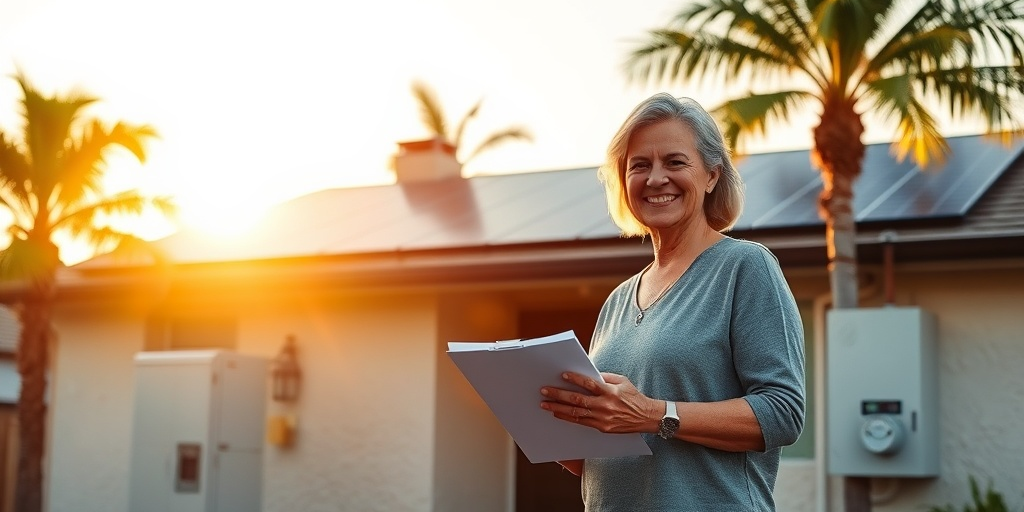
Imagine this: You install solar panels on your Florida home, dreaming of cutting energy costs and embracing sustainable energy independence. Fast forward a decade, and a storm batters your roof, but your solar panels stand strong, still producing energy. This scenario isn’t far-fetched; it’s an example of how quality solar panels can yield benefits long after their installation. In 2025, as homeowners in Florida gear up to tackle rising energy costs, understanding “What You Should Know About Solar Panel Lifespan in Florida” becomes crucial. By 2025, Florida will see a projected increase in average residential electricity rates to 12.31 cents per kWh (EIA.gov), making solar energy more appealing. Furthermore, 70% of those who go solar report significant savings on their electric bills (SolarReviews.com). So, what should you know about solar panel lifespan, durability, and performance before making a decision? This blog will guide you through five key sections: a real-life case study, a practical checklist, common myths debunked, Florida-specific insights, and a detailed look at technology affecting solar longevity. Let’s dive in!
Understanding the Lifespan of Solar Panels in Florida
To truly grasp the potential of solar energy, you need to recognize that solar panels are not a short-term investment. To illustrate this, consider the story of John and Maria, a couple residing in Orlando, Florida. Surrounded by beautiful oak trees, they watched as their neighbors switched to solar. John was skeptical at first; he worried about the lifespan of the panels and whether they would withstand Florida’s infamous storms. However, after extensive research and consultations with solar experts, they decided to go solar. They learned that quality solar panels are designed to last 25 years or more, with many manufacturers offering warranties that guarantee performance for between 20-25 years.
In the heart of Florida, a vast amount of sunshine translates to substantial solar energy generation, but local weather conditions can indeed affect the longevity and performance of solar systems. This leads directly to one of the first insights into the factors affecting solar panel lifespan: the quality of materials used in manufacturing. Low-quality panels may degrade faster due to heat and humidity, common issues in Florida’s climate. John found that reputable manufacturers such as LG and SunPower offer panels that can withstand these conditions, providing not only higher production efficiency but also the peace of mind that comes with integrated warranties.
Here is a checklist to guide you through evaluating solar panel options:
- Research the Manufacturer: Focus on brands with a proven history of durability and performance.
- Consider Warranty Options: Aim for a minimum of a 25-year warranty on panel performance.
- Examine Panel Materials: Ensure panels are made of high-quality materials such as monocrystalline silicon.
- Check for Certifications: Look for panels that meet local certifications for resilience and efficiency.
- Explore Installation Experience: Select installers with a strong track record in your area.
As John and Maria navigated the selection process, they also learned about common myths surrounding solar energy. One common misconception was that solar panels would not perform well on cloudy days. They discovered that solar panels can still generate a significant amount of energy in overcast conditions, although efficiency may be slightly lower. This myth-busting opened their eyes to the reality that solar energy is not just for sunny days. According to the Solar Energy Industries Association (SEIA), solar panels can still produce 10-25% of their capacity even when cloud cover is present, making them a viable alternative in Florida’s frequently unpredictable weather.
Next, let’s delve deeper into another essential area: the specific Florida factors that come into play when considering solar panel longevity. Understanding the climate, state policies, and incentives is critical for homeowners interested in this clean energy alternative. Florida enjoys a subtropical climate that allows for optimal solar energy generation days.
Key Factors Affecting Solar Panel Lifespan in Florida
The longevity of solar panels is influenced by several state-specific factors:
- Weather Conditions: Florida’s humid subtropical climate can lead to quicker wear on hardware if not rated for such conditions.
- Hurricanes and Storms: The state is prone to hurricanes, which require installation methods that can withstand high winds.
- State Incentives: Florida offers a range of tax credits and rebates that influence the quantity and quality of solar installations.
In fact, according to the Florida Solar Energy Center, which reports an impressive 2 million solar installations statewide, homeowners who have invested in high-quality panels tend to experience fewer failures over time compared to cheaper, lower-quality alternatives. That’s why understanding the intricacies of the technology and local conditions is essential for making a sound decision.
The technical specifications of solar equipment, including the type of inverter and battery, also hold sway over the entire lifespan of your solar setup. For instance, inverters, while not as durable as panels, typically require replacement every 5-10 years. Many newer models, especially hybrid inverters that integrate battery storage, can enhance the overall efficiency and usage of solar energy. Choosing a hybrid solution helps maintain energy independence during grid outages. In Florida, these innovations can prove invaluable during hurricane season.
Transitioning into the next section, let’s further unpack some common myths surrounding solar investing.
Myth-Busting: The Truth About Solar Panel Lifespan
Despite a growing appreciation for solar energy, several myths still linger in the minds of Florida homeowners. Let’s debunk these misconceptions once and for all.
Myth #1: Solar Panels Are Ineffective in Overcast Weather
Many believe that solar panels are useless without direct sunlight. However, numerous studies reveal that solar panels can produce up to 25% of their rated capacity in cloudy conditions, making them an effective energy source year-round (SEIA.org).
Myth #2: Solar Panels Only Last 10-15 Years
While lower-quality panels may underperform, most modern panels are engineered to last 25 years or more, with warranties that cover performance over this extended timeframe. This longevity translates into years of energy savings for homeowners.
Myth #3: Solar Panel Maintenance Is Complicated
In reality, solar panels require minimal maintenance. Regular inspections and cleaning, particularly post-storm or heavy dust periods, keep them optimal without undue hassle.
Myth #4: Solar Panels Can’t Handle Florida’s Heat
Solar panels are designed to operate efficiently despite temperatures reaching the high 90s. The technology behind these panels ensures they can withstand extreme heat without significant drops in performance.
Myth #5: It’s Too Expensive to Switch to Solar
Although the initial installation might seem daunting, federal and state incentives make solar energy more affordable than ever. Many homeowners recoup their initial investment within just a few years through reduced energy bills.
5 Best Practices for Solar Installations in 2025
If you’re contemplating making the leap into solar energy, understanding and implementing expert installation practices can yield significant benefits. Here are five essential tips curated from industry experts:
Select Quality Equipment
Don’t skimp on quality; investing in reputable brands, like SunPower and LG, ensures reliability and performance longevity.
Proper Orientation and Tilt
Install panels facing south at an optimal tilt angle to maximize solar exposure throughout the year, taking full advantage of Florida’s sunshine.
Incorporate Battery Storage
Opt for a solar battery system to ensure power availability day and night, especially during peak demand hours or outages—essential in hurricane-prone regions.
Regular Inspections
Schedule annual inspections with a qualified technician to ensure panels and inverters are functioning as intended, catching any issues before they can escalate.
Educate Yourself and Stay Engaged
Stay abreast of the latest solar technologies and developments in regulations or incentive programs through local resources, ensuring you maximize your solar investment.
Diving deeper, it’s essential to understand how the local Florida market impacts your decisions. The potential annual savings can vary based on energy usage, location, and available incentives.
The Solar Journey of a Hypothetical Florida Homeowner
Let’s paint a picture of a typical Florida homeowner, Sarah. In 2025, she’s eager to harness solar energy. Sarah’s journey began when she received an unexpected electric bill that shattered her previous records. Determined to find a solution, she attended a local community seminar, where she learned about the potential savings and incentives associated with solar energy. Through local programs, she discovered that the state would pay for part of her installation expense, thanks to the Renewable Energy Property Tax Exemption (DSIREUSA.org).
After installing her panels, Sarah took proactive measures by connecting with a local solar ambassador program that educated her on usage patterns and complemented her energy needs. Within the first year, her utility bills were slashed by over 50%. Sarah’s experience isn’t unique; countless Florida homeowners report striking savings and reduced carbon footprints after making the switch to solar.
Through her journey, Sarah learned that proper solar panel installation yielded incredible rewards, and she was thrilled to share her experience with neighbors, inspiring others to join her in becoming more energy-efficient.
Next Steps for Florida Solar Buyers in 2025
Now that you’re armed with knowledge about solar panel lifespan, it’s time to take action. Here’s a clear breakdown of steps to get started:
- Acknowledge Your Energy Needs: Open your utility bills from the past year to determine your average energy consumption.
- Research Solar Businesses: Look for qualified solar companies with positive reviews, especially those with extensive experience in Florida.
- Set Up Consultations: Schedule meetings with at least three reputable solar providers to gather quotes and assess your options.
- Understand Incentives: Familiarize yourself with local, state, and federal incentives available to Florida homeowners to help decrease upfront costs.
- Decide and Install: Choose the best systems and financing options that align with your preferences and schedule your installation.
With movement towards renewable energy sources accelerating across the country, now is the ideal time for Florida homeowners to make the leap into solar. A wealth of resources, finances, and technology awaits you at every turn.
Conclusion: Empower Your Energy Future
As we’ve explored in this comprehensive guide, understanding “What You Should Know About Solar Panel Lifespan in Florida” is vital for making informed decisions that can yield dividends for years to come. From learning about the durable nature of quality solar panels to understanding Florida-specific circumstances that can impact your installation, the knowledge acquired here empowers you as a homeowner. The potential for savings, energy independence, and environmental benefits is within reach—imagine slashing your energy bill while contributing positively to your community and environment.
With incentives peaking and advancements in solar technology accelerating, now is the time for Florida homeowners to act. Your solar journey promises not just an energy-efficient future, but also peace of mind as you solidify your investment today for ideal outcomes tomorrow. Ready to start your solar journey in 2025? Connect with a certified expert at floridaelectricandsolar.com today.
Related Articles
More insights about Solar Panel

Florida Homeowners: Why Solar Panel Maintenance Is Essential

7 Essential Steps for Solar Panel Installation Success

Expert Insights: Key Factors Influencing Solar Panel Lifespan
Ready to Go Solar?
Have questions about solar energy? Our experts are here to help you make the switch to clean, renewable energy.